


Replace pickleballs when they are cracked, split, or no longer bounce properly. Pickleballs should be replaced when they show signs of damage or have lost their bounce.
Over time, pickleballs can become worn out due to the impact and friction that occurs during play. Cracks, splits, and a decrease in bounce are clear indicators that it’s time for a replacement. In order to ensure a fair and enjoyable game, it’s important to regularly inspect and replace worn-out pickleballs.
This not only enhances gameplay but also prevents injuries as damaged pickleballs can be unpredictable and may cause accidents on the court. By maintaining a supply of fresh pickleballs, players can continue to enjoy a consistent and competitive game.
Signs Of Wear And Tear
Pickleballs showing signs of wear and tear should be replaced to maintain their quality and efficiency during gameplay. Look out for cracks, dents, and loss of bounce as indicators that it’s time for new pickleballs.
When it comes to pickleballs, it’s important to know when it’s time to replace them. With regular use, pickleballs can experience wear and tear that affects their performance on the court. In this section, we’ll explore some of the key signs of wear and tear to look out for.
Loss Of Bounce
- The first sign to watch out for is a loss of bounce in the pickleball. This can happen over time as the ball gets worn down from repeated hits. When you notice that the ball is not bouncing as high as it used to, it’s a good indicator that it’s time for a replacement.
- A pickleball with reduced bounce can affect the game by slowing down rallies and making it harder to execute shots. To maintain an enjoyable playing experience, it’s essential to replace pickleballs that have lost their bounce.
Cracks And Dents
- Another common sign of wear and tear is cracks and dents on the pickleball’s surface. These can occur from hard hits or collisions with the paddle or the court. Cracks and dents not only impact the appearance of the ball but can also affect its performance.
- When a pickleball has cracks or dents, it can lead to unpredictable bounces and make it challenging to control shots accurately. As a result, replacing damaged pickleballs is necessary to maintain consistency and fairness during gameplay.
Fading Color
- The color of a pickleball can also indicate signs of wear and tear. Over time, the vibrant color of the ball may start to fade or become dull. While this may seem like a minor aesthetic issue, it can actually impact gameplay.
- Fading color on a pickleball can make it harder to spot the ball during high-speed rallies, particularly in outdoor settings. This can create difficulties in tracking the ball’s movement and timing shots correctly. Therefore, it’s advisable to replace pickleballs with fading color to ensure optimal visibility on the court.
To keep the game enjoyable and fair, it’s important to be aware of these signs of wear and tear in pickleballs. Regularly inspecting and replacing worn-out balls will help maintain the integrity and quality of your pickleball experience. Remember, a pickleball with a loss of bounce, cracks and dents, or fading color should be replaced swiftly to ensure a consistent and thrilling game on the court.
Frequency Of Replacement
Replacing pickleballs is necessary when they show signs of wear and tear, such as cracks or dents. Regularly inspecting their condition ensures optimal performance for pickleball players.
Pickleball is a popular game that requires both skill and strategy. Whether you’re a casual player or a serious competitor, one aspect you shouldn’t overlook is the condition of your pickleballs. Over time, pickleballs can become worn down and lose their bounce, affecting their performance on the court.
So, how often should you replace your pickleballs? Let’s explore the factors that affect their lifespan and the average lifespan of pickleballs.
Factors Affecting Pickleball Lifespan:
- Playing surface: The type of surface you play on can have a significant impact on the lifespan of your pickleballs. Rough surfaces, such as asphalt or concrete, can wear down the ball more quickly compared to smoother surfaces like indoor courts.
- Frequency of play: The more you play, the faster your pickleballs will wear out. Regular and intense play can put strain on the balls, resulting in decreased performance over time.
- Storage conditions: Proper storage can help prolong the lifespan of your pickleballs. Extreme temperatures, direct sunlight, and humidity can all affect the integrity of the ball. It’s best to store them in a cool, dry place when not in use.
- Quality of balls: The quality of the pickleballs can also impact their lifespan. Higher-quality balls are generally more durable and can last longer compared to lower-quality ones.
Average Lifespan Of Pickleballs:
- Casual players: For casual players who play a few times a month, pickleballs can last anywhere from six months to a year. Keep in mind that the condition of the balls might deteriorate sooner if stored under unfavorable conditions.
- Regular players: Regular players who participate in pickleball sessions once or twice a week can expect their pickleballs to last around three to six months. Remember to inspect the balls regularly for signs of wear and tear.
- Competitive players: Competitive players who engage in intense play multiple times a week may need to replace their pickleballs every two to three months. The frequent use and higher impact of play can wear out the balls more quickly.
It’s important to note that these timelines are just averages, and individual experiences may vary. Pay attention to the condition of your pickleballs, including their bounce and surface wear, to determine when it’s time for a replacement. By regularly replacing your pickleballs, you can ensure a consistent and enjoyable playing experience on the court.
Testing Pickleball Performance
Pickleball enthusiasts, take note! Discover the ultimate guide to determining when it’s time to replace your pickleballs for optimal performance on the court. Keep your game strong with this informative resource.
Whether you’re a recreational player or a serious competitor, knowing when to replace your pickleballs is essential for maintaining optimal performance on the court. One way to determine if your pickleballs are due for retirement is by conducting a series of tests to assess their performance.
Below, we outline two key tests – the bounce test and the sound test – that can help you gauge the condition of your pickleballs.
Bounce Test:
- Drop the pickleball from a height of three feet onto a hard surface.
- Observe the height of the bounce: If the ball doesn’t bounce well or bounces erratically, it may be time to replace it.
- A worn-out pickleball can lose its resilience, leading to unpredictable bounces and negatively impacting your gameplay.
- A fresh pickleball should bounce with consistency and provide a predictable trajectory off the court.
Sound Test:
- Hold the pickleball a few centimeters away from your ear.
- Gently tap the ball with your finger and listen to the sound it produces.
- A crisp, high-pitched sound indicates a ball in good condition.
- Conversely, a dull or muffled sound may indicate a worn-out pickleball that needs replacement.
- The sound test helps determine if the core of the pickleball is intact and not deteriorating.
Remember, regular testing of your pickleballs is crucial as it ensures a fair and enjoyable game. By assessing their bounce and sound performance, you can maintain a consistent and satisfying playing experience.
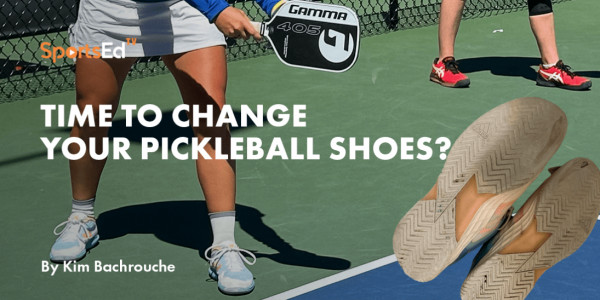
Credit: sportsedtv.com
Impact On Gameplay
Pickleballs should be replaced when they start to show visible signs of wear and tear, as this can significantly impact gameplay. By ensuring that players are using fresh and intact pickleballs, it ensures a fair and enjoyable experience on the court.
Replacing pickleballs when they start to wear out is crucial for maintaining a high level of gameplay. As pickleballs age, they can have a significant impact on the overall playing experience, affecting control and increasing the risk of injury. Let’s delve into these aspects below:
Reduced Control:
- Loss of bounce: Over time, the outer layer of a pickleball can become worn down, resulting in a decrease in bounce. This can make it challenging to accurately predict the ball’s trajectory and can significantly impact your control during rallies.
- Inconsistent flight: As a pickleball deteriorates, it may develop irregularities or dents. These inconsistencies affect the smoothness of its flight, making it harder to anticipate and react to shots with precision.
- Less spin capabilities: Worn-out pickleballs often lose their ability to grip the paddles or the court surface effectively, leading to a reduction in spin potential. This can be especially problematic for advanced players who rely on spin to execute certain shots and strategies.
Increased Risk Of Injury:
- Decreased visibility: As pickleballs age, their bright colors may fade, making them less visible during gameplay. This can pose a safety risk, particularly in faster-paced matches or outdoor settings with varying lighting conditions.
- Split or cracked surface: Aged pickleballs are prone to developing cracks or splits, exposing the inner structure. These imperfections can cause the ball to behave unpredictably and may result in injuries when players make contact with them.
- Higher likelihood of injuries from impacts: When a pickleball wears out, it becomes less resistant to impacts, potentially leading to greater force transmission upon contact. This heightened impact can increase the risk of wrist, arm, or shoulder injuries, especially when players hit harder shots.
Replacing pickleballs at the appropriate time is essential to maintain a consistent gameplay experience and reduce the risk of injuries. By staying mindful of their condition and promptly replacing them when necessary, players can ensure a safer and more enjoyable pickleball session.
Professional Recommendations
Is it time to replace your pickleballs? Discover professional recommendations for knowing when it’s time to replace your worn-out pickleballs and ensure optimal gameplay.
Expert Recommendations On When To Replace Pickleballs
Pickleball, a popular racquet sport, relies on the quality of the balls used. Knowing when to replace your pickleballs is essential for maintaining the integrity and fairness of the game. To help you determine when it’s time for a fresh set of pickleballs, we’ve gathered expert recommendations:
Signs Of Wear And Tear
- Surface Blemishes: Look for visible scratches, dents, or cracks on the surface of the pickleball. These imperfections can alter the ball’s flight pattern, impacting gameplay.
- Fading Color: Over time, the vibrant color of pickleballs can fade due to extensive use. Faded balls may become harder to track, affecting both accuracy and enjoyment.
- Soft Spots: Gently press the pickleball to check for any areas that feel softer than others. Soft spots indicate internal damage and can significantly impact performance.
Consider Game Quality
- Loss of Bounce: A bounce test can determine the ball’s elasticity. Drop the pickleball from a height of three feet and observe its rebound. If the ball fails to bounce back properly, it may have lost its inner resilience and should be retired.
- Inconsistent Flight: When pickleballs start to wobble or veer off their usual trajectory, it’s a sign that they no longer possess the required characteristics for balanced gameplay. Replacing them will maintain fair competition.
Frequency Of Use
- Playtime Durability: If you play pickleball frequently, balls are subjected to more wear and tear. Consider replacing them every several weeks or after around 10-20 hours of gameplay. This ensures optimal performance and consistency.
- Storage Conditions: Environmental factors, such as extreme humidity or exposure to the sun, can expedite the aging process of pickleballs. Check for any signs of degradation resulting from storage conditions.
Remember, the condition of your pickleballs impacts your enjoyment of the game and fair competition. Following these expert recommendations will ensure that you have the best experience on the pickleball court. Keep in mind the signs of wear and tear, consider game quality, and take into account the frequency of use when determining when to replace your pickleballs.
Extending Pickleball Lifespan
Pickleballs should be replaced when they start showing signs of wear and tear, such as cracks or dents. Regularly inspecting the condition of your pickleballs will help to extend their lifespan, ensuring a better playing experience.
Pickleball is a fun and engaging sport, but like any other equipment, your pickleballs will eventually wear out. However, there are certain measures you can take to extend the lifespan of your pickleballs. In this section, we will discuss proper storage techniques and maintenance tips that will help you get the most out of your pickleballs.
Proper Storage Techniques:
- Keep your pickleballs in a cool and dry place: Storing your pickleballs in a cool and dry environment is essential to maintain their quality. Avoid exposing them to extreme temperature fluctuations or excessive humidity.
- Use a ball container or bag: Investing in a ball container or bag will help protect your pickleballs from getting damaged. Make sure the container or bag provides adequate cushioning to prevent any unnecessary pressure on the balls.
- Avoid storing pickleballs under heavy objects: Placing heavy objects on top of your pickleballs can lead to deformation or flattening. It’s best to store them in a way that minimizes any potential stress on the balls.
Maintenance Tips:
- Clean your pickleballs regularly: Dirt, dust, and debris can accumulate on the surface of your pickleballs, affecting their performance. To clean them, simply wipe them with a damp cloth or use a mild detergent if necessary. Remember to dry them thoroughly before storage.
- Rotate your pickleballs: Rotating your pickleballs ensures that all balls are equally exposed to wear and tear. Frequently swapping out older balls with newer ones can distribute the usage, extending the lifespan of your entire set.
- Avoid playing on rough surfaces: Playing on rough or abrasive surfaces can cause excessive wear on your pickleballs. It’s best to choose pickleball courts or smooth surfaces to minimize damage.
- Use pickleball-specific paddles: Using paddles that are designed specifically for pickleball helps reduce the impact on the balls. Paddles with rough or sharp edges can cause premature damage to your pickleballs.
By following these proper storage techniques and maintenance tips, you can significantly extend the lifespan of your pickleballs. Remember, taking good care of your equipment not only saves you money in the long run, but it also ensures a better playing experience on the court.
So, incorporate these practices into your pickleball routine and enjoy the game for longer durations!
Frequently Asked Questions On When To Replace Pickleballs
Can Pickleballs Be Repaired Instead Of Replaced?
Yes, in some cases, pickleballs can be repaired by using a pickleball repair kit. These kits help fix minor damages such as cracks or dents, extending the life of the ball. However, it’s important to note that extensive damage may require replacing the pickleball altogether.
How Often Should I Replace My Pickleballs?
The frequency of pickleball replacement depends on factors such as usage and wear. Generally, it’s recommended to replace pickleballs every few months or when they become significantly worn or damaged. Regularly inspecting the balls for signs of wear and tear is essential for maintaining optimal performance.
What Are The Signs That Indicate A Pickleball Needs Replacement?
Several signs can indicate the need for pickleball replacement. These include cracks, dents, loss of bounce, and visible wear on the surface. If the ball’s performance has noticeably decreased or it no longer meets the required standards, it’s time to consider replacing it for an optimal playing experience.
Conclusion
To ensure a satisfying game, it’s essential to know when to replace your pickleballs. Over time, these durable balls can deteriorate from constant play, impacting their performance. Keep an eye out for signs such as cracks, loss of bounce, or a worn-out surface.
Regularly checking your pickleballs can help you avoid sudden game interruptions and ensure a consistent experience. Remember to consider the type of court you play on, as hard surfaces can wear down pickleballs faster. As a responsible player, it’s crucial to invest in high-quality pickleballs and be aware of their lifespan.
By replacing worn-out pickleballs promptly, you can enjoy a more enjoyable and rewarding game. So, keep an eye out for any signs of wear and tear, and don’t hesitate to replace your pickleballs when needed. Happy playing!


