


Side out in pickleball refers to when the serving team fails to score a point, allowing the opposing team to serve. In pickleball doubles, only the serving team can score points.
After both the first and second server fail to win a point, it is a side out, and the opponents have the opportunity to score. This scoring rule is known as side out scoring. When it comes to pickleball, understanding the concept of side out is essential for playing the game correctly.
By adhering to this rule, players can strategize and work to score points while serving, while also trying to prevent the opposing team from scoring.
Understanding Side Out Scoring In Pickleball
In pickleball, side out refers to the moment when the serving team fails to score a point, allowing the opponents to take over the serve and potentially score. It is a key aspect of side out scoring in pickleball doubles.
Definition Of Side Out In Pickleball Doubles:
In pickleball doubles, side out refers to when the serving team fails to score a point, allowing the opposing team to take over the serve. This term is commonly used in pickleball scoring, where only the serving team can earn points.
When a side out occurs, the serving team must relinquish the serve, giving their opponents the opportunity to score points.
How Side Out Scoring Works:
To better understand side out scoring in pickleball, consider the following key points:
- Side out scoring means that only the serving team can earn points.
- The serving team continues to serve until a side out occurs.
- A side out happens when the serving team fails to win a point.
- Once a side out occurs, the opposing team gains the right to serve and score points.
Significance Of Side Out In Pickleball Games:
Understanding the significance of side out in pickleball games is crucial to strategic gameplay. Here are a few reasons why side out is important:
- Side out provides an opportunity for the opposing team to score points and potentially take the lead.
- It encourages teams to develop effective serving strategies to maintain the advantage.
- A side out can shift the momentum of the game, creating excitement and tense moments.
- Knowing when to capitalize on a side out can make a significant difference in winning or losing a match.
By understanding side out in pickleball, players can strategize their gameplay effectively, using it to their advantage and capitalizing on the opportunities it presents.
The Role Of Serving In Side Out Scoring
In pickleball, side out scoring means that only the serving team can score points. After both the first and second servers fail to win a point, it is a side out, and the opponents have the opportunity to score. This scoring rule is used in pickleball doubles matches.
In pickleball, side out scoring plays a crucial role in determining which team scores points. Serving is an integral part of this process, and understanding the basics of serving is essential to succeed in the game. Let’s take a closer look at how serving affects side out scoring in pickleball:
Basics Of Serving In Pickleball:
- When the game starts or after a side out, the serving team begins the game by serving the ball.
- The server must stand behind the baseline and diagonally serve the ball to the opponent’s diagonal court.
- The serve must be done underhand, with the paddle below the waist level.
- The ball must be served diagonally, clearing the non-volley zone (NVZ) or “kitchen” area.
Determining The Serving Team:
- The serving team is decided through a coin toss or another method agreed upon before the game.
- The team that wins the toss gets to choose whether they want to serve first or receive first.
- In doubles, each player on the serving team gets a turn to serve before switching to the opponents.
Initial Serving And Side Out Scoring:
- The first server on the serving team starts the game.
- To score a point, the serving team must successfully serve the ball and prevent the receiving team from returning it.
- If the serving team fails to score a point, it results in a side out, and the serving team loses the opportunity to score.
- Once the side out occurs, the opposing team becomes the serving team, and play continues.
Winning And Losing Points On Serve:
- If the serving team scores a point, they continue to serve until they fail to score, resulting in a side out.
- The receiving team does not have a chance to score points while the serving team maintains their serve.
- However, if the serving team commits a fault, such as serving out of bounds or into the net, it results in a side out.
- The receiving team then gains the opportunity to serve and score their own points.
Understanding the role of serving in side out scoring is essential for success in pickleball. By serving strategically and preventing the opponent from returning the ball, a team can maintain their serve and score points continuously. Alternatively, a well-placed return or a fault by the serving team can lead to a side out, allowing the opponents to take control and score points of their own.
So, mastering the art of serving is crucial in the game of pickleball.
Side Out Scoring Strategies In Pickleball Doubles
In pickleball doubles, side out refers to when the serving team fails to score a point and the opponents have the opportunity to score. Only the serving team can score points in side out scoring strategies.
Capitalizing On Side Out Opportunities:
- When the opposing team fails to score points, it’s your team’s chance to capitalize on side out opportunities.
- Here are some strategies to make the most out of these situations:
- Stay focused and alert, ready to react quickly to return the ball effectively.
- Aim for strategic ball placement to keep your opponents off balance.
- Take advantage of any weaknesses or gaps in your opponents’ positioning.
- Communicate with your partner to coordinate your movements and maximize your chances of scoring.
Importance Of Effective Returns:
- Effective returns are crucial in side out scoring in pickleball doubles. They allow your team to regain control and score points.
- Here are key points to remember:
- Focus on consistent and accurate returns to maintain control over the game.
- Vary your returns by mixing up the speed, angle, and placement of the ball.
- Strategically target weaker players on the opposing team to put them under pressure.
- Communicate with your partner to ensure effective coverage of the court.
Utilizing Serves To Score Points:
- Serves play a significant role in side out scoring in pickleball doubles. They are your team’s opportunity to start the rally and score points.
- Here’s how to utilize serves effectively:
- Develop a variety of serves to keep your opponents guessing.
- Aim to serve deep and close to the baseline to make it harder for your opponents to return.
- Serve to weaker players on the opposing team to exploit their vulnerabilities.
- Coordinate with your partner to strategize the placement and direction of your serves.
Partner Coordination For Side Out Scoring:
- Partner coordination is essential for successful side out scoring in pickleball doubles. It allows you to maximize your team’s scoring potential and outmaneuver your opponents.
- Here are tips for effective partner coordination:
- Establish clear communication with your partner to anticipate each other’s moves.
- Maintain proper positioning on the court to cover more ground and respond efficiently.
- Coordinate your movements and shots to create opportunities for scoring.
- Adapt your strategy based on the strengths and weaknesses of your opponents.
With these side out scoring strategies in pickleball doubles, you are on your way to dominating the game and winning more points. Remember to stay focused, communicate with your partner, and make the most of every opportunity to score.
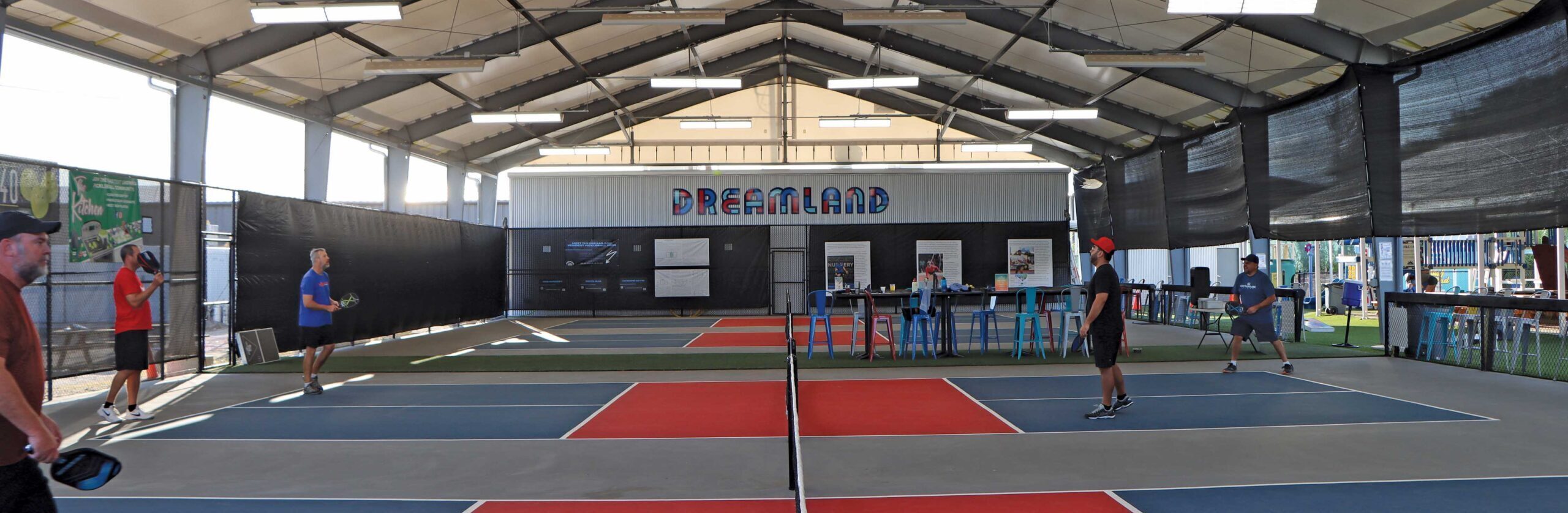
Credit: www.clearspan.com
Common Questions About Side Out Scoring In Pickleball
Nherits the serve. In pickleball, side out scoring means that only the serving team can score points. When both the first and second server fail to win a point, it is a side out and the opponents have the opportunity to score.
Side out scoring is a unique scoring system used in pickleball that can sometimes lead to confusion for players, especially those who are new to the sport. In this section, we will answer some common questions about side out scoring in pickleball to help you better understand how it works.
When To Switch Sides In Pickleball
Knowing when to switch sides in pickleball is crucial for maintaining fairness and equal opportunities for both teams. Here are some key points to keep in mind regarding when to switch sides:
- In doubles play, players switch sides every time they gain the right to serve. This ensures that both teams have an equal chance to take advantage of different court conditions.
- The first team to serve starts the game on the right side of the court.
- After a side out occurs, the serving team stays on the same side, while the receiving team switches sides.
Scoring Points On Serve In Pickleball
Scoring points on serve is a fundamental aspect of pickleball. Here’s what you need to know about scoring points on serve:
- Only the serving team has the opportunity to score points. If the serving team fails to win a point, a side out occurs, and the receiving team gets the chance to serve and score points.
- Each time the serving team wins a point, they score a point and continue serving.
- In pickleball, the serving team must earn the right to serve by winning a rally. This means that they cannot score a point directly from the serve.
Side Out Vs. Point Scoring In Pickleball
Understanding the difference between side out and point scoring is essential in pickleball. Here’s a breakdown of these two scoring systems:
- Side out scoring means that only the serving team can score points. If the serving team fails to win a point, they lose their right to score, and a side out occurs, allowing the receiving team to serve and score points.
- Point scoring, on the other hand, allows both the serving and receiving teams to score points. Each rally won by either team results in a point, regardless of who served.
Adjusting Strategies Based On Side Outs
Side outs can have a significant impact on the dynamics of a pickleball game. Here are some strategies to consider when adjusting your gameplay based on side outs:
- After a side out, the receiving team has the opportunity to serve and score points. As the serving team, it’s important to regroup, stay focused, and aim to win the next rally to regain the serve.
- On the other hand, the receiving team can use a side out to their advantage. After winning a rally, they can seize the opportunity to take the lead or close the gap in the score.
Remember, mastering the concept of side out scoring in pickleball will not only improve your understanding of the game, but it will also enhance your ability to strategize and adapt to different situations on the court.
Frequently Asked Questions For What Does Side Out Mean In Pickleball
What Is A Sideout In Pickleball Doubles?
In pickleball doubles, a sideout occurs when the serving team fails to win a point. The opponents can then score points.
How Do You Know When To Switch Sides In Pickleball?
In pickleball, you switch sides when you lose your service, and the other team gets to serve. It’s called a “side out”.
What Does 002 Mean In Pickleball?
In pickleball, “002” refers to the starting score of a game, where the serving team commits a fault and the other team takes over the serve.
Can The Receiving Side Score A Point On A Serve In Pickleball?
No, the receiving side cannot score a point on a serve in pickleball. Points are only scored by the serving team.
Conclusion
A side out in pickleball doubles refers to when the serving team fails to win a point, allowing the opponents to score points. Pickleball scoring rules utilize side out scoring, meaning only the serving team can score a point. Once both the first and second server are unsuccessful in winning a point, it results in a side out.
Knowing when to switch sides in pickleball is essential for maintaining fair play and balancing the game. When starting a pickleball match, the score is called zero, zero, two. As soon as the serving team commits a fault, the opposing team gets the opportunity to serve.
Points can only be scored on the serve, and the receiving side cannot score a point. Understanding these aspects of side out and scoring rules contributes to a successful game of pickleball.


