Yes, the correct method to hold a pickleball paddle is to place the base knuckle of your index finger and the heel of your hand on the third bevel of the paddle handle. This grip, known as the Eastern grip, is the starting point for most players due to its versatility.
It provides a neutral grip that slightly favors the forehand. There is no one-size-fits-all perfect grip for everyone, as each player may have different preferences and playing styles. However, maintaining firm wrists and loose arms is key to achieving the ideal grip.
The Importance Of A Proper Grip
When it comes to holding a pickleball paddle, there is indeed a correct method. The Eastern Grip is commonly used, where the base knuckle of the index finger and the heel of the hand rest on the third bevel of the paddle handle.
Having a proper grip is important for better control and accuracy while playing.
Why Having The Correct Grip Is Crucial In Pickleball:
- It allows for better control and accuracy in your shots.
- A proper grip helps generate more power and spin on the ball.
- It reduces the risk of injury by promoting a more natural and comfortable hand position.
How A Proper Grip Affects Control And Power In Your Shots:
- The correct grip enables you to have a firm hold on the paddle, giving you better control over the placement and direction of your shots.
- It allows you to generate more power and speed in your swings, resulting in more powerful shots that are more difficult for your opponents to return.
- A proper grip also helps you achieve the correct angle and contact point with the ball, increasing your ability to apply spin and make the ball curve or bounce in unexpected ways.
The Potential For Injury With An Incorrect Grip:
- Using an incorrect grip puts unnecessary strain on your wrist, arm, and shoulder, increasing the risk of long-term injuries such as tennis elbow or shoulder impingement.
- Holding the paddle too tightly or in an unnatural position can also cause discomfort and fatigue during gameplay.
- By using the correct grip, you can minimize the risk of injury and ensure a more enjoyable and sustainable pickleball experience.
Three Common Grip Styles In Pickleball
There are three common grip styles in pickleball: continental grip, eastern grip, and western grip. Each grip has its advantages and is used for different shots, so it’s important to find the grip that works best for you.
The way you hold your pickleball paddle can greatly impact your gameplay. There are three common grip styles in pickleball: the Continental grip, the Eastern grip, and the Western grip. Each grip has its own benefits and is recommended for specific situations.
Let’s take a closer look at each grip style.
The Continental Grip
The Continental grip is a versatile grip that is widely used in pickleball. It is often considered the most basic grip and is suitable for both beginners and advanced players. Here’s a description of the Continental grip:
- It involves placing the V-shape between your thumb and index finger on the left bevel of the paddle, creating a diagonal line across the face of the paddle.
- This grip allows for a neutral wrist position, providing good control and maneuverability.
- The Continental grip is ideal for players who prefer a consistent and stable feel in their shots.
To hold the paddle using the Continental grip, follow these steps:
- Place your hand on the handle of the paddle, ensuring that the V-shape between your thumb and index finger is aligned with the left bevel.
- Wrap your other fingers around the handle, maintaining a relaxed grip.
Recommended situations for using this grip include:
- Groundstrokes: The Continental grip is effective for groundstrokes as it allows for better control and accuracy.
- Volleys: This grip provides stability and control when executing volleys, especially at the net.
- Serve and return: The Continental grip allows for flexibility and versatility in serving and returning shots.
The Eastern Grip
The Eastern grip is another popular grip style in pickleball. It offers a balance between power and control, making it suitable for players who want to generate more power in their shots. Here’s a description of the Eastern grip:
- It involves placing the base knuckle of your index finger on the third bevel of the paddle, with your hand slightly rotated towards the right.
- This grip allows for a more closed racket face, providing extra power in shots.
- The Eastern grip is ideal for players who want to add more pace to their shots.
To hold the paddle using the Eastern grip, follow these steps:
- Position your hand on the handle, with the base knuckle of your index finger resting on the third bevel.
- Adjust your grip slightly towards the right to achieve a closed racket face.
Recommended situations for using this grip include:
- Power shots: The Eastern grip enables players to generate more power in their shots, making it ideal for aggressive strokes.
- Smashes: If you’re aiming for a powerful overhead smash, the Eastern grip can help you achieve maximum power.
- Topspin shots: This grip allows players to apply more topspin to their shots, creating a higher bounce and more control.
The Western Grip
The Western grip is less commonly used in pickleball but can be effective in specific situations. It is known for its extreme grip on the handle, which provides additional spin and control. Here’s a description of the Western grip:
- It involves placing the base knuckle of your index finger on the fifth bevel of the paddle, with your hand significantly rotated towards the right.
- This grip allows for a more open racket face, promoting spin and control.
- The Western grip is ideal for players who prioritize spin and want to add more finesse to their shots.
To hold the paddle using the Western grip, follow these steps:
- Position your hand on the handle, with the base knuckle of your index finger resting on the fifth bevel.
- Rotate your grip significantly towards the right to achieve an open racket face.
Recommended situations for using this grip include:
- Spin shots: The Western grip enables players to generate more spin on their shots, making it effective for slice shots or drop shots.
- Lobs: If you need to hit a high, arcing shot over your opponent, the Western grip can help you achieve the necessary height and spin.
- Defensive shots: The additional spin and control provided by the Western grip can assist in defensive situations, allowing you to place the ball precisely.
Understanding the different grip styles in pickleball can greatly enhance your gameplay. Experiment with each grip to find what works best for you and adapt your grip according to the situation. Remember, the Continental, Eastern, and Western grips each have their own benefits and recommended situations, so choose the grip that suits your playing style and objectives.
Happy pickleballing!
Finding The Right Grip For You
Choosing the right grip for your pickleball paddle is important for optimal performance. While there isn’t a single correct method, the Eastern Grip is a popular starting point often used by players. This grip involves placing the base knuckle of your index finger and the heel of your hand on the third bevel of the paddle handle.
When it comes to holding a pickleball paddle, finding the right grip is essential for optimal control and comfort during gameplay. There are different grip styles to choose from, each with its own advantages and considerations. To help you find the grip that works best for you, consider the following factors:
- Hand Size: Your hand size can play a role in determining the most comfortable grip style. Larger hands might benefit from a grip that offers more surface area, while smaller hands might prefer a grip that allows for a tighter hold.
- Playing Style: Your preferred playing style can also influence your grip choice. Some players may favor a grip that provides more power for aggressive shots, while others may prioritize maneuverability for precise placement.
- Shot Type: Certain grip styles are better suited for specific shot types. For example, a continental grip is commonly used for serves and volleys, while an eastern grip may offer better control for groundstrokes.
- Personal Preference: Ultimately, your own personal preference should be taken into account when choosing a grip style. Experiment with different grips to see which feels most natural and comfortable for you.
Adjusting Your Grip For Different Shots And Playing Styles
Once you have found a grip style that works well for you, it is important to learn how to adjust your grip for different shots and playing styles. This versatility can enhance your overall performance on the pickleball court. Consider the following tips:
- Experiment with Different Angles: Adjusting the angle of your grip can impact the trajectory and spin of your shots. For example, a slightly closed grip may help you generate more topspin, while an open grip can create more slice.
- Vary Grip Pressure: Changing the pressure with which you hold the paddle can affect your shot execution. A firmer grip can give you more control and power, while a lighter grip may allow for more finesse and touch.
- Adapt to Your Opponent: Depending on your opponent’s playing style, you may need to make adjustments to your grip. For instance, if you are facing a strong server, you may want to use a grip that allows for a better return of serve.
- Seek Professional Guidance: If you’re having trouble adjusting your grip or want to refine your technique, consider seeking advice from a pickleball coach or a more experienced player. They can provide valuable insights and help you improve your game.
Importance Of Practice And Experimentation
It is important to remember that finding the right grip and making adjustments for different shots and playing styles requires practice and experimentation. Here are some key points to keep in mind:
- Consistency: Practice holding your paddle with the chosen grip style consistently to build muscle memory and improve your overall control.
- Regularly Test Different Grips: Even after settling on a grip style, it’s beneficial to periodically test other grips to see if they better suit your evolving playing style or preferences.
- Adaptation Takes Time: It may take some time to fully adapt to a new grip style or make adjustments for different shots. Be patient and keep practicing to refine your skills.
- Evaluate Results: Regularly assess the impact of your grip adjustments on your performance. If a particular grip or adjustment consistently improves your game, consider incorporating it into your regular repertoire.
Remember, finding the right grip for you is an individual process. Experiment, practice, and seek guidance when needed to develop a grip that enhances your playing abilities and brings you closer to pickleball success.
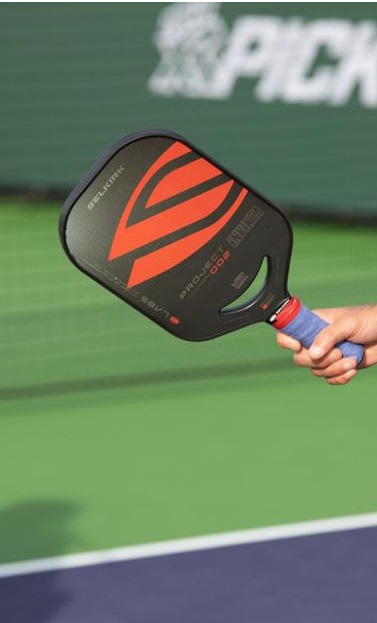
Credit: www.pickletip.com
Frequently Asked Questions Of Is There A Correct Method To Hold A Pickleball Paddle
How Should I Hold My Pickleball Paddle?
To hold your pickleball paddle, use the Eastern Grip. Place the base knuckle of your index finger and the heel of your hand on the third bevel of the paddle handle. This grip is a good starting point for most players.
Remember to have firm wrists and loose arms.
How Do You Hold A Pickleball Paddle Like Ping Pong?
To hold a pickleball paddle like ping pong, use the penhold grip by placing your thumb and index finger on one side and the other fingers on the opposite side. It’s best for forehand shots but challenging for backhand or overhead shots.
A firm wrist and loose arm are key for the perfect grip.
How Do You Hold A Pickleball Paddle With Two Hands?
To hold a pickleball paddle with two hands, place your dominant hand on the paddle handle, gripping it firmly. Then, position your non-dominant hand slightly above or below your dominant hand, also gripping the handle. Ensure that both hands have a secure hold on the paddle for better control and stability.
How Do You Hold A Pickleball Racket At The Net?
Hold your pickleball paddle at the net by using a firm grip with firm wrists and loose arms. There are three different ways to hold the paddle: the eastern grip, the continental grip, and the western grip. The eastern grip is the most neutral, slightly favoring the forehand, while the western grip strongly favors the backhand.
Choose the grip that works best for you.
Conclusion
Proper grip on a pickleball paddle can greatly impact your performance on the court. While there may not be a “correct” method per se, there are several grip options to consider. The Eastern Grip, for example, is a popular starting point for its balance and versatility.
This grip involves placing the base knuckle of your index finger and the heel of your hand on the third bevel of the paddle handle. On the other hand, the Western Grip is more backhand-focused and may require some adjustment for beginners.
Ultimately, the perfect grip is one that allows for firm wrists and loose arms, enabling better control and maneuverability. Experimenting with different grips and finding what works best for you can ultimately enhance your pickleball game. So, go ahead and try out the various grip options, find your preferred style, and get ready to dominate the pickleball court with confidence!