


Playing pickleball in temperatures below 32 degrees Fahrenheit (0 degrees Celsius) is considered too cold for most players. Playing pickleball is a popular outdoor activity enjoyed by people all around the world.
However, when the temperature drops, it’s essential to consider the impact of cold weather on the game. While pickleball can be played in various weather conditions, there is a point at which the cold becomes too harsh, leading to safety concerns and hindered gameplay.
We will explore how cold is too cold to play pickleball, factors to consider when deciding whether to play in colder temperatures, and precautions to take to ensure a fun and safe experience on the court. Understanding these guidelines will help players make informed decisions about whether to hit the court or wait for warmer days.
Understanding The Optimal Temperature Range For Pickleball
Discover the optimal temperature range for playing pickleball and how to determine when it’s too cold. Learn how the temperature affects gameplay and tips for staying comfortable during colder weather.
Pickleball is a popular sport that can be enjoyed in various weather conditions. However, when the temperatures drop, it’s important to consider the optimal temperature range for pickleball play. The combination of air temperature, wind chill, court surface, and player comfort can greatly impact the game.
Let’s explore the factors that influence pickleball play in cold weather.
Factors That Impact Pickleball Play In Cold Weather:
- Air Temperature and Wind Chill:
- The air temperature directly affects how cold it feels while playing pickleball outdoors. When the temperature drops, it’s essential to understand the potential impact on the game.
- Wind chill, which takes into account the effect of wind on our perception of temperature, can make playing pickleball in cold conditions even more challenging.
- Court Surface and Ambient Temperature:
- The type of court surface can also have an impact on pickleball play in cold weather. Different court surfaces may retain or dissipate heat differently, affecting the overall temperature on the court.
- The ambient temperature, which refers to the temperature of the surrounding environment, can affect the court surface and impact gameplay. It’s important to consider how the ambient temperature may impact the ball’s bounce and the court’s traction.
- Player Comfort and Performance:
- Cold weather can affect player comfort and overall performance during a pickleball game. It’s crucial to consider how lower temperatures might impact players’ ability to move, react, and maintain a proper grip on the paddle.
- Cold weather can also increase the risk of injury, as muscles may be tighter and less flexible. Players should take extra precautions to warm up properly before playing in colder conditions.
Understanding these factors can help pickleball enthusiasts make informed decisions about playing in cold weather. By considering air temperature, wind chill, court surface, ambient temperature, player comfort, and performance, players can optimize their game even when the temperatures drop.
Remember, it’s essential to prioritize safety and well-being while enjoying the game of pickleball. Stay warm, stay safe, and have fun on the court!
Effects Of Cold Weather On Pickleball Equipment And Players
Playing pickleball in cold weather can have significant effects on both the equipment and the players. It’s important to know the ideal temperature for playing pickleball and avoid extremely cold conditions to ensure optimal performance and safety.
The impact of cold weather on pickleball goes beyond just the temperature dropping. It can pose challenges to both the equipment and players involved in the game. Let’s delve into a few key aspects affected by low temperatures:
Impact Of Low Temperatures On Balls And Paddles:
- Ball performance may be compromised:
- When exposed to cold weather, pickleballs tend to become harder, resulting in reduced bounce and impact absorption.
- The loss of resilience affects the game’s pace and overall playability.
- Paddle characteristics:
- Low temperatures can lead to paddle material contracting, affecting how it interacts with the ball.
- Changes in grip and paddle stiffness can impact player control and shot execution.
Physical Challenges Faced By Players In Cold Weather:
Players facing colder weather conditions may encounter various physical hurdles:
- Reduced flexibility and dexterity:
- Cold temperatures can cause muscles and joints to tighten, limiting range of motion and agility.
- Players may find it more challenging to execute shots accurately or respond swiftly to their opponent’s moves.
- Increased risk of injuries:
- Cold weather can contribute to stiffness and strain in muscles, potentially leading to muscle pulls or strains.
- The risk of slips and falls on surfaces affected by frost or ice is heightened, leading to sprained or twisted ankles.
Potential Risks And Injuries Associated With Cold Weather Play:
Playing pickleball in cold weather poses potential risks that players should be aware of:
- Hypothermia and frostbite:
- If proper precautions aren’t taken, prolonged exposure to cold temperatures can lead to hypothermia or frostbite.
- Symptoms include shivering, dizziness, numbness, and even tissue damage.
- Respiratory and cardiovascular strain:
- Physical exertion in chilly conditions can strain the respiratory and cardiovascular systems.
- Cold air inhalation may trigger bronchospasms in susceptible individuals.
- Dehydration risks:
- Cold weather often leads to decreased thirst perception, resulting in inadequate fluid intake.
- This can increase the risk of dehydration during play, as players may not realize their body’s fluid requirements.
Remember, it’s important to prioritize safety and comfort during cold-weather pickleball play. Taking proactive measures such as wearing appropriate clothing, warming up properly, and considering alternative indoor venues can help mitigate potential challenges and enjoy the game to its fullest despite the cold.
Determining The Ideal Temperature For Pickleball
Playing pickleball in extremely cold temperatures can be uncomfortable and potentially dangerous. It is important to determine the ideal temperature for pickleball to ensure players’ safety and enjoyment of the game.
Analyzing The Impact Of Temperature On Gameplay
Pickleball, a popular sport combining elements of tennis, badminton, and ping pong, can be enjoyed by players of all ages and skill levels. However, the ideal temperature for playing pickleball can greatly influence gameplay, player performance, and overall enjoyment of the game.
Understanding the impact of temperature on pickleball is essential for determining the ideal conditions for a satisfying and competitive match.
Factors To Consider In Establishing The Optimal Temperature Range
When considering the ideal temperature for pickleball, several key factors come into play. Here are the important points to consider:
- Ambient temperature: The overall temperature of the environment affects the comfort level of players and can impact their energy levels and physical capabilities.
- Humidity: High humidity can make the air feel heavier, leading to increased fatigue and reduced endurance during long matches.
- Wind speed: Wind can affect ball trajectory and players’ ability to control and accurately hit the ball. Strong gusts of wind can significantly alter gameplay.
- Sun exposure: Direct sunlight can be intense and impact player performance, especially when the temperature is high. Sunscreen and protective clothing become crucial in warmer conditions.
Testing And Research On Player Performance
In recent years, various studies have been conducted to examine the effect of temperature on pickleball player performance. These research efforts have provided valuable insights into the optimal temperature range for an enjoyable and competitive game. Key findings include:
- Performance decline in extreme temperatures: Both extremely high and low temperatures can negatively affect player performance. Extreme heat can lead to dehydration and heatstroke, while excessively cold temperatures can impair movement and coordination.
- Optimal temperature range: Research suggests that the most favorable temperature range for pickleball falls between 60°F (15°C) and 85°F (29°C). Within this range, players can maintain their comfort and perform at their best without being overly affected by weather conditions.
Insights From Experienced Pickleball Players
Experienced pickleball players who have spent countless hours on the court also offer valuable insights when it comes to determining the ideal temperature for the game. Here are some commonly observed observations from seasoned pickleball enthusiasts:
- Moderate temperatures for peak performance: Many players find that playing in moderate temperatures allows for optimal performance. This typically includes temperatures in the mid-60s°F to mid-70s°F (around 18°C to 24°C).
- Adaptability to different conditions: Skilled players can adapt to various temperature conditions and still enjoy the game. They recognize the need to adjust their strategies and gameplay style based on factors such as wind, lighting, and temperature.
- Personal preference and comfort: Each player may have their personal temperature preferences for playing pickleball. Some individuals might thrive in slightly cooler temperatures, while others might prefer warmer conditions. Ultimately, finding the right balance between comfort and performance is key for every player.
By analyzing the impact of temperature on gameplay, considering factors such as ambient temperature, humidity, wind speed, and sun exposure, along with insights from research and experienced pickleball players, players can determine the ideal temperature range for an enjoyable, competitive, and satisfying pickleball experience.
So, next time you hit the pickleball court, pay attention to the weather conditions and choose a temperature range that allows you to showcase your skills and have a fantastic time!
Strategies For Playing Pickleball In Cold Weather
Wondering about the ideal temperature to play pickleball? Discover strategies for playing this popular game in cold weather, ensuring you stay comfortable and still enjoy the game. Find out how cold is too cold!
Preparing Yourself For Cold Weather Play:
- Dress in layers: Layering your clothing helps regulate your body temperature as you play. Start with a moisture-wicking base layer, add a warm insulating layer, and top it off with a waterproof and windproof outer layer.
- Keep your head covered: Wear a hat or a beanie to keep your head warm as a significant amount of body heat is lost through the head.
- Protect your extremities: Don’t forget to wear gloves and thick socks to keep your hands and feet warm during play.
- Hydrate properly: Even in cold weather, it’s essential to stay hydrated. Drink plenty of fluids before, during, and after playing pickleball.
Appropriate Clothing And Layering:
- Base layer: Choose a moisture-wicking fabric to keep sweat away from your body and prevent moisture from making you feel cold.
- Insulating layer: Thick fleece or wool layer provides insulation by trapping warm air close to your body.
- Outer layer: Invest in a waterproof and windproof jacket or pants to protect yourself from rain, wind, and cold temperatures.
- Bottoms and footwear: Opt for thermal leggings or pants and wear non-slip shoes with good traction to prevent slipping on cold courts.
Warming Up And Stretching:
- Gentle warm-up exercises: Before playing in the cold, engage in light cardio exercises like jogging or jumping jacks to warm up your body.
- Dynamic stretches: Perform dynamic stretches to increase your range of motion, promote blood flow, and prevent injuries. Include movements that target your arms, legs, and core.
- Gradual intensity buildup: Start your playing session slowly and gradually increase your intensity to prevent muscle strains in the cold weather.
Maintaining Equipment In Cold Conditions:
- Store paddles indoors: Avoid leaving your pickleball paddles in freezing temperatures as it can damage the materials. Store them indoors or in a temperature-controlled environment.
- Protect balls: Cold temperatures can make pickleballs more brittle. Bring spare balls and rotate them periodically to prevent them from becoming too cold.
- Use paddle covers: Utilize paddle covers to provide extra insulation and protect your paddles from extreme cold, moisture, and impacts.
Tips For Protecting Balls And Paddles:
- Pick a durable pickleball: Opt for a durable pickleball specifically designed for cold weather play. These balls are more resistant to cracking or breaking in low temperatures.
- Keep balls warm: Store the pickleballs in an insulated bag with a hand warmer or in a thermos filled with warm water to maintain their elasticity and performance.
- Paddle warmers: Use paddle warmers, which are neoprene covers placed on the paddle face, to help maintain a consistent playing surface and protect the paddle from the cold.
Adjusting Playstyle And Technique In Lower Temperatures:
- Modify your grip: Adjust your grip to accommodate thicker gloves or grips that provide extra warmth during play.
- Adjust your swing: In colder temperatures, the ball may not travel as far due to its reduced elasticity. Adapt your swing to generate more power and follow through.
- Focus on ball placement: With slower ball speed, placing your shots strategically becomes crucial for outmaneuvering your opponents in cold weather.
- Improve footwork: With potentially slippery court conditions, prioritize stable footwork and nimble movements to maintain your balance.
By adopting these strategies for playing pickleball in cold weather, you can enjoy the sport while staying warm, comfortable, and injury-free. Remember to prioritize safety, prepare adequately, and adjust your tactics to make the most out of your pickleball experience even in lower temperatures.
Recommendations For Playing Pickleball In Various Cold Weather Scenarios
Discover the optimal conditions for playing pickleball in colder weather. Uncover the limit on how cold is too cold to comfortably enjoy this popular sport. Make informed choices for the best pickleball experience.
When it comes to playing pickleball in cold weather, it is essential to consider the temperature and adjust your game accordingly. In this section, we will provide recommendations for playing pickleball in different cold weather scenarios. Whether it’s very cold, cold but bearable, or cool and comfortable, these guidelines will help you stay safe and enjoy the game.
Guidelines For Different Temperature Ranges
Very Cold (Below Freezing)
- Avoid playing pickleball in temperatures below freezing, as this can be dangerous and increase the risk of injuries.
- If you decide to play in very cold temperatures, take the necessary precautions:
- Dress in layers to keep your body warm.
- Wear thermal clothing to retain heat.
- Use hand warmers or gloves to protect your hands from frostbite.
- Insulate your feet with warm socks and appropriate footwear.
- Stay hydrated by drinking warm fluids.
Cold But Bearable (Above Freezing But Chilly)
- Playing pickleball in cold but bearable temperatures is possible with proper preparation.
- Consider the following recommendations:
- Dress in layers to maintain body heat and adjust clothing as needed.
- Wear a hat or headband to preserve warmth.
- Use gloves or mittens to keep your hands comfortable.
- Protect your feet with warm socks and insulated shoes.
- Stretch and warm-up before playing to prevent injuries.
Cool And Comfortable (Moderate Temperatures)
- Cool and comfortable temperatures are ideal for pickleball.
- Enjoy the game while considering these suggestions:
- Dress appropriately, wearing comfortable and breathable clothing.
- Use sunscreen even in cooler temperatures to protect your skin.
- Stay hydrated by drinking water or sports drinks.
- Take breaks if needed to rest and recover.
Adjustments For Windy Conditions And Wind Chill
- Windy conditions and wind chill can make cold weather feel even colder.
- Take the following precautions:
- Wear wind-resistant clothing to prevent the wind from chilling your body.
- Protect your face and ears with scarves or neck gaiters.
- Consider using windproof gloves or mittens to maintain dexterity.
- Be mindful of the wind direction and adjust your gameplay accordingly.
- Stay aware of wind chill factors and take breaks to warm up if necessary.
Remember, safety should always be a priority when playing pickleball in cold weather conditions. By following these guidelines and adjusting your game accordingly, you can ensure an enjoyable and safe experience on the pickleball court. Stay warm and have fun!
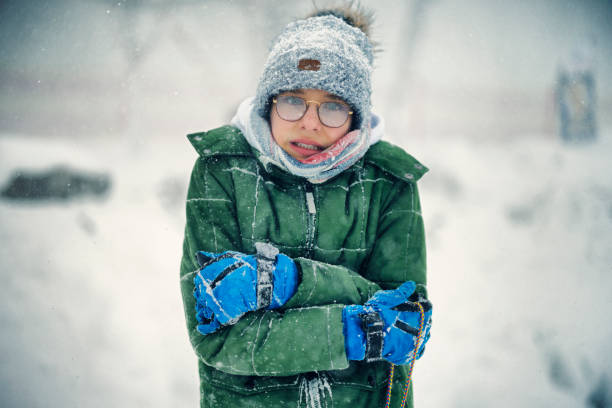
Credit: www.istockphoto.com
Frequently Asked Questions Of How Cold Is Too Cold To Play Pickleball
How Cold Is Too Cold To Play Pickleball?
Playing pickleball in extremely cold temperatures can be uncomfortable and potentially dangerous. It is generally recommended to avoid playing pickleball when the temperature drops below freezing (32 degrees Fahrenheit) as it increases the risk of frostbite and accidents due to icy surfaces.
It’s best to play in temperatures above freezing for a safer and more enjoyable experience.
What Are The Risks Of Playing Pickleball In Cold Weather?
Playing pickleball in cold weather poses several risks including the potential for frostbite, decreased muscle flexibility, and increased likelihood of injuries due to slippery surfaces. Cold temperatures can also affect your grip on the paddle and decrease your overall performance.
It’s important to stay aware of these risks and take necessary precautions before playing in cold weather.
How Can I Stay Warm While Playing Pickleball In Cold Weather?
To stay warm while playing pickleball in cold weather, dress in layers to trap heat and insulate your body. Wear thermal underwear, moisture-wicking fabrics, gloves, and a hat to prevent heat loss. Take breaks to warm up, stay hydrated, and stretch to maintain flexibility.
Choosing an indoor pickleball facility or playing during the warmest hours of the day can also help combat the cold.
Conclusion
Based on the information provided in this blog post, it’s clear that determining how cold is too cold to play pickleball ultimately depends on several factors. While the exact temperature threshold may vary from person to person, it is generally recommended to avoid playing in extremely cold conditions to prevent potential injuries and discomfort.
It’s essential to prioritize your health and safety while enjoying this popular sport. Remember to listen to your body and be mindful of any signs of frostbite or hypothermia. If you do decide to play in colder temperatures, appropriate clothing, warm-up exercises, and taking breaks to warm up can help minimize the risks.
Always keep in mind that your well-being should be the top priority, and it’s better to skip a game or two than to risk potential harm. Stay informed, stay safe, and enjoy your pickleball games responsibly.


