


The pickleball kitchen rule states that a player must hit all volleys from outside of the non-volley zone (the kitchen). Players are not allowed to step into the kitchen or be touching the kitchen line when volleying the ball.
Understanding The Non Volley Zone In Pickleball
A player is allowed in the non-volley zone in pickleball only after the ball has bounced. This rule ensures fair play and prevents players from gaining an unfair advantage near the net.
The Non Volley Zone (NVZ), also known as “the kitchen,” is an essential aspect of pickleball that players must understand and adhere to. This area is a seven-foot zone on either side of the net and helps maintain a fair and balanced game.
The NVZ has specific rules and dimensions that players need to follow for a successful pickleball experience.
Definition And Purpose Of The Non Volley Zone (NVZ):
- The NVZ is a seven-foot area on either side of the net in pickleball.
- The purpose of the NVZ is to prevent players from executing smashes or volleys while standing close to the net, promoting a more strategic and skillful game.
- Players are not allowed to enter this zone unless the ball has bounced within or they are striking the ball from a position behind the NVZ line.
Importance Of Following Nvz Rules:
- Following the NVZ rules ensures fair play, as it prevents players from hitting smashes or volleys while standing too close to the net, which can give an unfair advantage.
- Respecting the NVZ rules allows players to develop their skills, as they rely more on shot placement, strategy, and placement rather than overpowering their opponent.
- Adhering to NVZ rules also promotes safety on the court, as it reduces the risk of accidental collisions or injuries that can occur when players are too close to the net.
Overview Of NVZ Dimensions And Position On The Court:
- The NVZ measures seven feet deep from the net on both sides.
- It extends horizontally to the sidelines of the court.
- The NVZ is marked by a distinct line parallel to the net, running from one sideline to the other.
- Players must keep both feet behind the NVZ line while hitting the ball, unless the ball has previously bounced within the NVZ area.
Understanding the Non Volley Zone in pickleball is crucial for players to ensure fair play, develop their skills, and promote safety on the court. By following the specific rules and guidelines related to the NVZ, players can enjoy a strategic and enjoyable pickleball experience.

Credit: dashpickleball.com
Rules Regarding Player Entry Into The Non Volley Zone
In Pickleball, players are allowed in the Non Volley Zone after the ball has bounced. They must wait for the ball to make contact with the ground before stepping into this designated area.
Explanation Of When A Player Is Allowed In The Nvz:
In pickleball, the Non Volley Zone (NVZ), also known as the kitchen, is the area closest to the net. This zone extends 7 feet from the net on either side. Players are not allowed to enter or hit the ball within the NVZ unless certain conditions are met.
Let’s take a look at when a player is allowed in the NVZ and the specific rules that govern their entry.
Circumstances That Permit Entry Into Nvz:
When it comes to entering the Non Volley Zone, there are a few circumstances that allow players to step foot inside this restricted area:
- After the ball bounces outside the NVZ: If the ball bounces outside the NVZ, players are then allowed to enter and play the ball from within the zone.
- After the opponent hits a volley: If the opponent hits a volley while positioned within the NVZ, players can enter the zone to make their return shot.
- When the ball is hit outside the NVZ by the opponent: If the opponent hits the ball outside the NVZ, players can enter the zone to hit the ball without committing a fault.
These circumstances permit players to briefly enter the NVZ and make their shots, ensuring fair play and an exciting game.
Exceptions To The Nvz Rules:
While the rules regarding player entry into the Non Volley Zone are generally straightforward, there are a few exceptions that players should be aware of:
- When momentum carries a player into the NVZ: If a player’s momentum carries them into the NVZ after hitting a ball, they are not considered to have committed a fault.
- When the ball bounces off the net: If the ball hits the net and bounces into the NVZ, players are allowed to enter and make a return shot.
These exceptions are important to note as they can impact the flow of the game and determine whether a fault is committed.
By understanding the rules regarding player entry into the Non Volley Zone, pickleball players can navigate the NVZ with confidence and ensure a fair and enjoyable game for all.
Exceptions And Violations Of The Non Volley Zone Rules
Exceptions and Violations of the Non Volley Zone Rules occur when a player is allowed in the Non Volley Zone in Pickleball, such as after the ball has bounced or when returning a bounced ball. It is important to understand the rules to avoid violations and ensure fair play.
In the fast-paced game of pickleball, players must adhere to specific rules regarding the Non Volley Zone (NVZ), also known as the kitchen area. The NVZ is a seven-foot area on each side of the net where players are prohibited from hitting the ball in the air, also known as volleying.
However, there are certain cases where exceptions to NVZ rules apply and violations may occur. Let’s explore these exceptions and violations in detail:
Cases Where Exceptions To Nvz Rules Apply:
- Ball Bounced in the NVZ: If a ball bounces in the NVZ before being struck by a player, they are allowed to play the ball from any location on the court.
- Player’s Momentum Carries them into the NVZ: If a player’s momentum carries them into the NVZ after they have made a legal shot, they are allowed to play the ball as long as they do not volley it.
- Ball Hits the Player in the NVZ: If a ball hits a player while they are standing in the NVZ, it is not considered a violation, and the player can continue the game without penalty.
Explanation Of Violations And Consequences:
While exceptions exist, it is crucial for players to understand the violations that can occur within the NVZ and the consequences they may face. Here are some common violations and their corresponding consequences:
- Volleying in the NVZ: If a player volleys the ball while standing in the NVZ, it is considered a violation. The consequence of this violation is the loss of the rally and the opposing team earns a point.
- Foot Fault in the NVZ: If a player steps on or over the NVZ boundary line while hitting the ball, it is considered a foot fault violation. The consequence is the loss of the rally and a point awarded to the opposing team.
- Delayed Volley in the NVZ: If a player hits the ball after it has bounced in the NVZ, it is considered a delayed volley and a violation of the NVZ rules. The consequence is the loss of the rally and the opposing team earns a point.
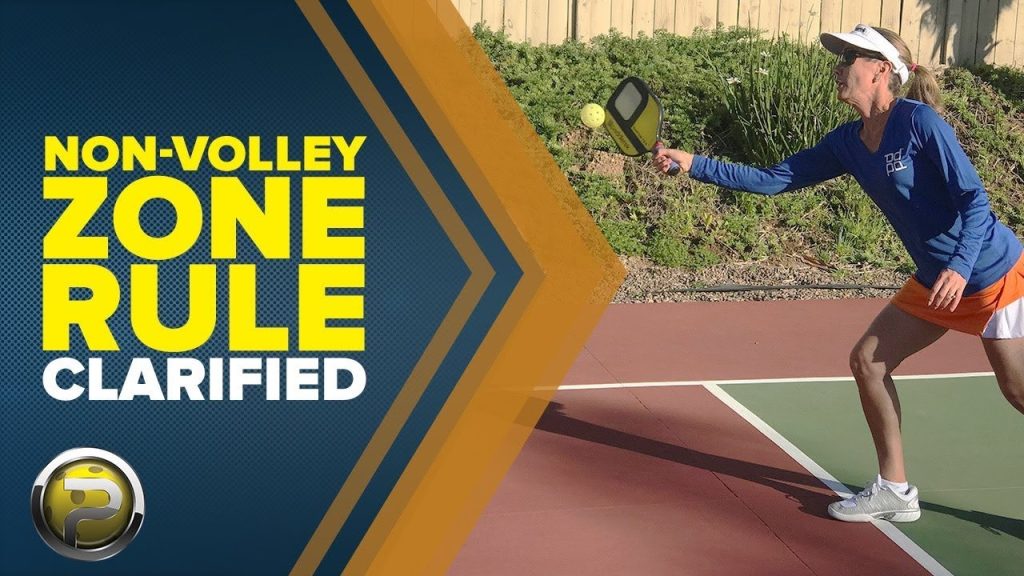
Non-Volley Zone Fault Examples:
To have a clearer understanding of the violations that can occur within the NVZ, let’s look at some examples of non-volley zone faults:
- Example 1: Player A volleys the ball while standing inside the NVZ. This is a violation, and the opposing team earns a point.
- Example 2: Player B steps on the NVZ boundary line while hitting the ball. This foot fault results in the opposing team winning the rally and earning a point.
- Example 3: Player C hits the ball after it has bounced in the NVZ. This delayed volley is a violation, and the opposing team gains a point.
By understanding and following the rules surrounding the NVZ, players can ensure fair play and a more enjoyable pickleball experience. Remember, exceptions may apply, but violations can lead to consequences such as losing the rally or giving points to the opposing team.
Stay mindful of your position in the NVZ and play smart pickleball.
Frequently Asked Questions On When Is A Player Allowed In The Non Volley Zone In Pickleball

When Can A Player Be In The Non-Volley Zone?
A player can’t be in the non-volley zone when volleying the ball in pickleball.
What Are The Rules For The No Volley Zone In Pickleball?
The rules for the no volley zone in pickleball are as follows: – Players must hit all volleys from outside of the non-volley zone (the kitchen). – Players cannot step into the kitchen or be touching the kitchen line when volleying the ball.
– The ball must have bounced before stepping into the kitchen to hit it.
Can You Step Into The Non-Volley Zone In Pickleball?
No, you cannot step into the non-volley zone in pickleball.
When Can’T The Ball Land In The Non-Volley Zone?
In pickleball, the ball can’t land in the non-volley zone when volleying. Players must hit volleys from outside the kitchen.
Conclusion
En Rules also specify that players cannot hit a ball that has landed in the non-volley zone without it first bouncing. This rule, known as the kitchen rule, ensures fair play and promotes strategic placement of shots during a pickleball game.
Understanding when a player is allowed in the non-volley zone is crucial to playing pickleball correctly. To recap, players can only enter the non-volley zone after the ball has bounced and they are no longer touching or stepping on the kitchen line.
Violating this rule can result in a fault and loss of the point. It is essential for players to familiarize themselves with the non-volley zone rule to avoid penalties and maintain a fair and enjoyable game. So, keep these guidelines in mind and have fun playing pickleball while respecting the non-volley zone!


