


The cell membrane, also known as the plasma membrane, is located on the outer covering of a living cell, surrounding the cytoplasm and nucleus. It acts as a border, separating the cell from other cells or substances in the environment.
The cell membrane is a selectively permeable membrane made up of phospholipids, cholesterol, proteins, and carbohydrates. Its flexible nature allows certain substances to enter the cell while keeping others out, maintaining the balance and homeostasis of the cell. In plant cells, the cell membrane is located between the cell wall and the inner contents of the cell.
It plays a crucial role in regulating the passage of molecules and maintaining the integrity of the cell.
Understanding The Cell Membrane
The cell membrane is located on the outside of a cell, acting as a border that separates the cell from other cells or substances in the environment. It is a semi-permeable plasma membrane made up of phospholipids, cholesterol, proteins, and carbohydrates, allowing some substances to enter the cell while keeping others out.
What Is The Cell Membrane?
The cell membrane, also known as the plasma membrane, is a vital component of a cell. It is a thin, flexible, and selectively permeable barrier that surrounds the cytoplasm and separates the interior of the cell from the external environment.
The cell membrane controls the movement of substances into and out of the cell, maintaining the cell’s internal environment and allowing it to interact with its surroundings.
Composition Of The Cell Membrane:
The cell membrane is primarily composed of four types of molecules: phospholipids, cholesterol, proteins, and carbohydrates. Here is a breakdown of these components:
- Phospholipids: These are the most abundant molecules in the cell membrane. Phospholipids have a hydrophilic head and hydrophobic tails, which arrange themselves in a bilayer to form the basic structure of the membrane.
- Cholesterol: Cholesterol molecules are interspersed between phospholipids in the cell membrane. They contribute to the stability and fluidity of the membrane.
- Proteins: The cell membrane contains various types of proteins that serve different functions. Some proteins act as carriers or channels to facilitate the transport of molecules across the membrane, while others are involved in cell signaling and recognition.
- Carbohydrates: Carbohydrates are present on the outer surface of the cell membrane, attached to lipids or proteins. They play a role in cell adhesion, cell-to-cell communication, and immune responses.
Functions Of The Cell Membrane:
The cell membrane has several crucial functions that are essential for the survival and proper functioning of the cell. Here are some of its primary functions:
- Selective permeability: The cell membrane controls the movement of substances into and out of the cell. It allows certain molecules to pass through while restricting the entry of others, ensuring that the internal environment of the cell remains stable.
- Cellular communication: Proteins embedded in the cell membrane play a key role in cell signaling and communication. They receive signals from the environment or other cells and initiate specific cellular responses.
- Cell adhesion: The cell membrane enables cells to adhere to one another, forming tissues and maintaining the overall structure and integrity of multicellular organisms.
- Protection: The cell membrane acts as a barrier, protecting the cell from potentially harmful substances in the external environment.
- Receptor function: The cell membrane contains receptors that bind to specific molecules, such as hormones or neurotransmitters. This binding triggers a response within the cell, allowing it to adapt to its surroundings.
- Transport of nutrients and waste: The cell membrane regulates the movement of nutrients, such as glucose and amino acids, into the cell, ensuring that the cell’s energy and functional needs are met. It also facilitates the removal of waste products.
- Cell recognition: Carbohydrates on the cell membrane play a role in cell recognition and immune responses. They help identify self from non-self, allowing the immune system to distinguish between healthy and foreign cells.
The cell membrane is a vital structure that surrounds cells and plays a critical role in maintaining their internal environment, facilitating communication, and regulating the exchange of substances with the external environment.
The Location Of The Cell Membrane
The cell membrane, also known as the plasma membrane, is located on the outside of a cell, acting as a barrier that separates the cell from its surroundings. Made up of a lipid bilayer, it allows certain molecules to enter the cell while keeping others out, maintaining the cell’s homeostasis.
Cell Membrane In Eukaryotic Cells:
- Eukaryotic cells are a type of cell that make up more complex organisms, including plants, animals, and fungi.
- The cell membrane in eukaryotic cells is located just beneath the cell wall in plant cells or just below the cell’s outer membrane in animal cells.
- It acts as a boundary, separating the cell’s internal environment from the external environment.
- The cell membrane is also responsible for regulating the movement of substances in and out of the cell, allowing nutrients and waste products to pass through.
- Additionally, it contains various proteins and receptors that help with cell signaling and communication.
Cell Membrane In Animal Cells:
- Animal cells are a type of eukaryotic cell that make up the tissues and organs of animals.
- The cell membrane in animal cells is located just beneath the cell’s outer membrane.
- It is composed of a lipid bilayer, which consists of two layers of phospholipid molecules.
- The cell membrane is flexible and fluid, allowing it to change shape and allow substances to move in and out of the cell.
- It also contains various proteins, such as ion channels and transporters, which help regulate the movement of molecules across the membrane.
- Additionally, animal cells have specialized structures called cholesterol rafts within the cell membrane, which play a role in cell signaling and membrane fluidity.
Cell Membrane In Prokaryotic Cells:
- Prokaryotic cells are a type of cell that do not have a nucleus or membrane-bound organelles.
- The cell membrane in prokaryotic cells is located just beneath the cell’s outer membrane.
- It serves as a barrier, separating the cell’s internal environment from the external environment.
- The cell membrane of prokaryotic cells is composed of a lipid bilayer, similar to animal cells.
- It is involved in various functions, such as regulating the movement of molecules in and out of the cell and maintaining cell shape.
- Additionally, the cell membrane of prokaryotic cells contains enzymes and proteins that are involved in energy production and other cellular processes.
The cell membrane is an essential component of both eukaryotic and prokaryotic cells. It plays a vital role in maintaining the integrity of the cell, regulating the movement of substances, and facilitating cell communication and signaling.
Cellular Boundaries And Beyond
The cell membrane is located on the outside of a cell, acting as a border that separates the cell from its environment. It is made up of a lipid bilayer and regulates the passage of molecules to maintain homeostasis within the cell.
The cell membrane, also known as the plasma membrane, is a vital component of all living cells. It serves as a boundary that separates the cell from its external environment and regulates the flow of substances in and out of the cell.
However, the cell membrane is not the only cellular boundary present in all cells. In plant cells, there is an additional structure called the cell wall, which provides further support and protection.
Beyond The Cell Membrane
Beyond the cell membrane, plant cells have an additional cellular boundary known as the cell wall. Here are some key points about the cell wall in plant cells:
- The cell wall is a rigid structure made up of cellulose fibers, proteins, and other substances.
- It is located outside the cell membrane and surrounds the cytoplasm of the cell.
- The primary function of the cell wall is to provide structural support to the cell and protect it from external stresses.
- Unlike the cell membrane, the cell wall is not selectively permeable and allows only limited movement of substances in and out of the cell.
Differences Between The Cell Wall And Cell Membrane
While both the cell wall and cell membrane contribute to the cellular boundaries in plant cells, they have notable differences. Here are a few distinctions between the cell wall and cell membrane:
- Composition: The cell wall is mainly composed of cellulose, proteins, and other substances, whereas the cell membrane is primarily made up of phospholipids, proteins, and carbohydrates.
- Flexibility: The cell wall is a rigid structure, offering support and protection to the cell, whereas the cell membrane is flexible, allowing the cell to change shape and move.
- Permeability: The cell wall is not selectively permeable and does not regulate the movement of substances, while the cell membrane is selectively permeable, controlling the flow of molecules in and out of the cell.
The Relationship Between The Cell Wall And The Cell Membrane In Plant Cells
In plant cells, the cell wall and cell membrane work together to maintain the integrity of the cell and provide support. Here’s how they are related:
- The cell wall acts as the primary boundary, offering structural support and protection to the cell.
- The cell membrane is located inside the cell wall and serves as a secondary boundary, controlling the movement of molecules in and out of the cell.
- Together, the cell wall and cell membrane maintain the shape of the cell, protect it from external stresses, and regulate the exchange of substances with the environment.
The Cell Membrane As A Boundary
The cell membrane plays a crucial role as a boundary in all cells, not just in plant cells. Here are some key aspects of the cell membrane:
- The cell membrane is a thin, flexible structure that surrounds the cytoplasm and separates it from the extracellular environment.
- It acts as a barrier, preventing the entry of harmful substances into the cell and allowing the passage of essential molecules.
- The cell membrane also plays a role in cell signaling, cell adhesion, and maintaining cell shape.
Function Of The Cell Membrane As A Barrier
The cell membrane serves as a barrier to protect the cell from its surroundings. Here’s how it functions as a barrier:
- It prevents the entry of harmful substances, such as toxins, into the cell.
- The cell membrane helps maintain the internal environment of the cell by regulating the balance of ions and other molecules.
- It also controls the movement of nutrients and waste products in and out of the cell.
Selective Permeability Of The Cell Membrane
One of the essential properties of the cell membrane is its selective permeability. Here’s what you need to know about it:
- The cell membrane allows the selective movement of certain molecules, while restricting the passage of others.
- This selectivity is achieved through various mechanisms such as diffusion, facilitated diffusion, and active transport.
- Small, nonpolar molecules, like oxygen and carbon dioxide, can move across the cell membrane freely, while larger or charged molecules require specific transport proteins.
How The Cell Membrane Maintains Cellular Homeostasis
The cell membrane plays a vital role in maintaining cellular homeostasis, which refers to the stable internal environment of the cell. Here’s how the cell membrane achieves this:
- By selectively allowing the movement of molecules in and out of the cell, the cell membrane helps regulate the concentrations of ions and other molecules inside the cell.
- It also plays a role in osmoregulation, maintaining the water balance within the cell.
- The cell membrane actively transports ions and molecules across its surface to maintain specific intracellular conditions necessary for cellular functions.
The cell membrane is essential for maintaining the boundaries of the cell and regulating its interactions with the environment. In plant cells, the cell wall provides additional support and protection, working in tandem with the cell membrane. Together, they play pivotal roles in maintaining the integrity and proper functioning of plant cells.
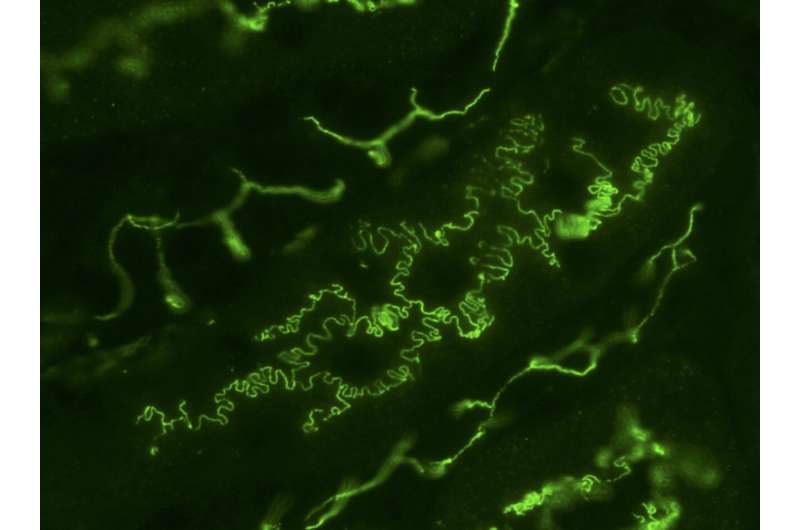
Credit: phys.org
Frequently Asked Questions Of Where Is The Cell Membrane Located On A Cell
Where Is The Cell Membrane Located Nucleus Or Cytoplasm?
The cell membrane is located between the cytoplasm and nucleus of a cell.
In Which Cells Have A Cell Membrane?
The cell membrane is located on the outside of a cell.
Where Is The Cell Membrane Located On A Cell?
The cell membrane is located on the outside of a cell. It acts as a border that separates the cell from other cells or substances in the environment. A cell membrane surrounds the cytoplasm of a cell and is made up of phospholipids, cholesterol, proteins, and carbohydrates.
Where Is The Cell Membrane Located In A Plant Cell?
In a plant cell, the cell membrane is located between the cell wall and the inner contents of the cell. It is a phospholipid bilayer that encloses the cytoplasm and acts like a plastic bag, holding and containing the cell organelles, while the cell wall provides a more firm and supportive structure.
Conclusion
The cell membrane, also known as the plasma membrane, is a crucial component of a cell, located on the outside of the cell. It serves as a protective barrier, separating the cell from its surroundings. Made up of phospholipids, cholesterol, proteins, and carbohydrates, the cell membrane is semi-permeable, allowing certain substances to enter the cell while keeping others out.
It is like a plastic bag that holds and contains the cytoplasm, which includes all the cell organelles except the nucleus. In plant cells, the cell membrane is located between the cell wall and the inner contents of the cell.
The cell wall is a more firm and supportive structure that adds an extra layer of protection. The cell membrane’s semi-permeability plays a crucial role in regulating the passage of molecules, such as water, sugars, and waste products, to maintain homeostasis within the cell.
Understanding the location and function of the cell membrane is essential for comprehending how cells interact with their environment and carry out various processes. It is a fundamental aspect of cell biology and provides insights into the intricate workings of living organisms.


