A pickleball tournament can vary in length, but on average, it typically lasts for about 4-6 hours. A pickleball tournament is a competitive event where players or teams face each other in rounds until a winner is determined.
The tournament can follow different formats, such as round robin or knockout, where players may play multiple games to determine the final winner. Planning and organizing a successful tournament involves hiring a tournament director, having a volunteer coordinator, and ensuring proper venue arrangements.
Overall, pickleball tournaments provide an exciting opportunity for players to showcase their skills and compete for victory in a relatively short duration of time.
Understanding Pickleball Tournaments
A pickleball tournament can vary in length depending on the format used, typically lasting anywhere from 4 to 6 hours. It follows rounds where players or teams compete until there is one winner, with formats such as knockout or round robin being commonly used.
What Is A Pickleball Tournament?
A pickleball tournament is a competitive event where players gather to showcase their skills and compete against one another in pickleball matches. These tournaments are organized at various levels, ranging from local or regional events to national and international competitions.
Players compete in different categories based on skill level, such as singles, doubles, or mixed doubles. The duration of a pickleball tournament can vary depending on several factors, including the number of participants and the format of the tournament.
Why Should You Participate In Pickleball Tournaments?
Participating in pickleball tournaments offers several benefits for players, regardless of their skill level. Here are some reasons why you should consider participating in these tournaments:
- Improvement of skills: Competing in a tournament provides an opportunity to test your skills against other players of similar or higher skill levels, allowing you to identify areas for improvement and develop new strategies.
- Experience competitive play: Tournament play introduces a higher level of competition and intensity compared to casual games. It challenges players to elevate their game and make quick decisions under pressure.
- Networking and community: Tournaments are an excellent platform for meeting other pickleball enthusiasts and building connections within the pickleball community. This allows you to learn from other players, exchange tips and techniques, and expand your network.
- Fun and excitement: The competitive nature of tournaments adds an element of excitement and adrenaline rush. The thrill of playing against skilled opponents and the cheers of the crowd create a memorable experience.
- Track progress: Participating in tournaments provides a way to track your progress over time. By comparing your performance in various tournaments, you can measure your growth as a player and set goals for future improvement.
Remember, pickleball tournaments are not limited to professional players. Players of all skill levels can participate and enjoy the benefits these tournaments have to offer. So, whether you’re a beginner or an experienced player, consider taking part in a pickleball tournament to elevate your game and immerse yourself in the competitive spirit of the sport.
Pickleball Tournament Formats
In a pickleball tournament, the length can vary depending on the format. Round robin tournaments involve all players or teams playing each other, with the winner determined by win-loss records. Knockout tournaments follow a single elimination format, with players or teams advancing through different rounds until one emerges as the winner.
Different Tournament Formats Explained:
In the world of pickleball tournaments, there are several different formats that can be used to determine a winner. Let’s take a look at three popular formats: Round Robin, Single Elimination, and Double Elimination.
Round Robin Format:
- In a Round Robin format, all of the players or teams in the tournament play against each other.
- Each player or team will face every other player or team in their respective group.
- The winner of the tournament is determined based on win-loss records.
- In the case of a tie, head-to-head matches are considered to break the tie.
Single Elimination Format:
- The Single Elimination format is one of the most commonly used formats in pickleball tournaments.
- In this format, players or teams compete in a bracket where the losers of each round are eliminated.
- The winner of each match continues to the next round until there is only one winner remaining.
- This format ensures that each player or team has only one chance to lose before being eliminated.
Double Elimination Format:
- The Double Elimination format is similar to the Single Elimination format, but with a twist.
- In this format, players or teams compete in a bracket where they have two chances to lose before being eliminated.
- If a player or team loses a match, they move to the loser’s bracket and have another chance to work their way back to the championship.
- This format allows for a more forgiving structure, giving players or teams a second chance to recover from a loss.
Pros And Cons Of Each Format:
Round Robin format:
- Pros:
- Provides each participant with more playing opportunities.
- Gives a more accurate representation of each player or team’s skills.
- Ties can be broken based on head-to-head matches, ensuring fair competition.
- Cons:
- Can be time-consuming, especially with a large number of participants.
- More matches may result in fatigue for players.
Single elimination format:
- Pros:
- Follows a straightforward structure, with winners advancing and losers being eliminated.
- Less time-consuming compared to the Round Robin format.
- Cons:
- A single loss can result in elimination, reducing the chances for redemption.
- May not accurately reflect the skills of players or teams due to the possibility of an early upset.
Double elimination format:
- Pros:
- Provides players or teams with a second chance if they lose early on.
- Increases the competitiveness and excitement of the tournament.
- Cons:
- Can be more complex to manage due to the two brackets.
- Requires more matches to be played, potentially extending the duration of the tournament.
Each tournament format has its own advantages and disadvantages, and the choice of format depends on various factors such as the number of participants, time constraints, and desired level of competitiveness. Tournament organizers carefully select a format that best suits the needs of the event to ensure an enjoyable and fair competition for all participants.
Factors Affecting Tournament Duration
Factors affecting the duration of a pickleball tournament include the number of teams or players, the tournament format (such as round robin or knockout), the efficiency of the tournament director and volunteer coordinator, and the availability and organization of venues.
The length of a pickleball tournament can vary, typically lasting anywhere from 4 to 6 hours.
When it comes to a pickleball tournament, the duration can vary depending on several factors. Let’s take a look at these factors and understand how they affect the overall length of the tournament:
Number Of Participants:
- The more participants there are in a tournament, the longer it is likely to last. With more players, there will be more matches played, and this increases the duration of the tournament.
- Tournaments can have varying numbers of participants, ranging from small local events to large-scale national or international competitions. The size of the tournament directly impacts its duration.
Number Of Games Played Per Match:
- In pickleball, matches are usually played in a best-of-three games format. The number of games played per match can influence the duration of the tournament.
- If each match consists of three games, it will take longer to complete compared to tournaments where matches are played in a best-of-one game format.
Breaks And Rest Periods Between Matches:
- Players require breaks and rest periods between matches to recover and prepare for the next one. The length of these breaks can affect the overall duration of the tournament.
- Longer breaks between matches allow players to rest adequately, but they also extend the tournament’s duration. On the other hand, shorter breaks reduce the duration but may result in players feeling fatigued.
Time Between Rounds:
- Tournaments are often structured in rounds, where players progress to the next round based on their performance. The time between these rounds can impact the overall length of the tournament.
- Longer time intervals between rounds provide players with more time to rest and prepare. However, this also extends the tournament’s duration.
- Conversely, shorter time intervals between rounds may increase the intensity of the tournament but reduce its overall duration.
In a nutshell, the duration of a pickleball tournament is influenced by the number of participants, the number of games played per match, breaks and rest periods between matches, and the time between rounds. Considering these factors is crucial for tournament organizers to ensure a smooth and well-paced event.
Planning And Organizing A Pickleball Tournament
A pickleball tournament can vary in length depending on the format used. Tournaments may use a round-robin format, where players or teams play each other, or a knockout format where players progress through different rounds until there is one winner.
On average, a pickleball tournament can last anywhere from 4 to 6 hours.
Organizing a pickleball tournament requires careful planning and coordination to ensure a successful and enjoyable event. From hiring a tournament director to selecting suitable venues, each aspect plays a crucial role in creating a seamless experience for participants. Let’s delve into the key factors involved in planning and organizing a pickleball tournament:
Hiring A Tournament Director:
- A tournament director is responsible for overseeing the entire event and ensuring its smooth operation.
- They handle multiple tasks, such as creating the tournament schedule, managing registrations, and coordinating with referees and volunteers.
- The tournament director should have a good understanding of the sport and possess excellent organizational and communication skills.
Volunteer Coordination:
- Volunteers play a vital role in the success of a pickleball tournament, assisting with various tasks throughout the event.
- A volunteer coordinator is tasked with recruiting, assigning, and managing volunteers, ensuring that each role is covered adequately.
- Key responsibilities include training volunteers, scheduling shifts, and maintaining open lines of communication.
Roles And Responsibilities Of A Referee Coordinator:
- A referee coordinator is responsible for organizing and overseeing the referees’ presence during the tournament.
- Their duties involve recruiting qualified referees, providing training and instructions, and ensuring fair and consistent officiating throughout the matches.
- The referee coordinator also manages any rule discrepancies or conflicts that may arise during the tournament.
Selecting Suitable Venues For The Tournament:
- Choosing the right venues is crucial to ensure optimal playing conditions and accommodate the expected number of participants.
- Factors to consider include court availability, amenities, parking, and spectator capacity.
- Adequate space is essential to accommodate multiple matches simultaneously and provide a comfortable experience for both players and spectators.
Planning and organizing a pickleball tournament requires a meticulous approach, with attention to detail in every aspect. By hiring a qualified tournament director, coordinating volunteers effectively, managing referees, and selecting suitable venues, you can ensure a successful and unforgettable event for all participants.
Get ready to serve up an exciting tournament experience for pickleball enthusiasts!
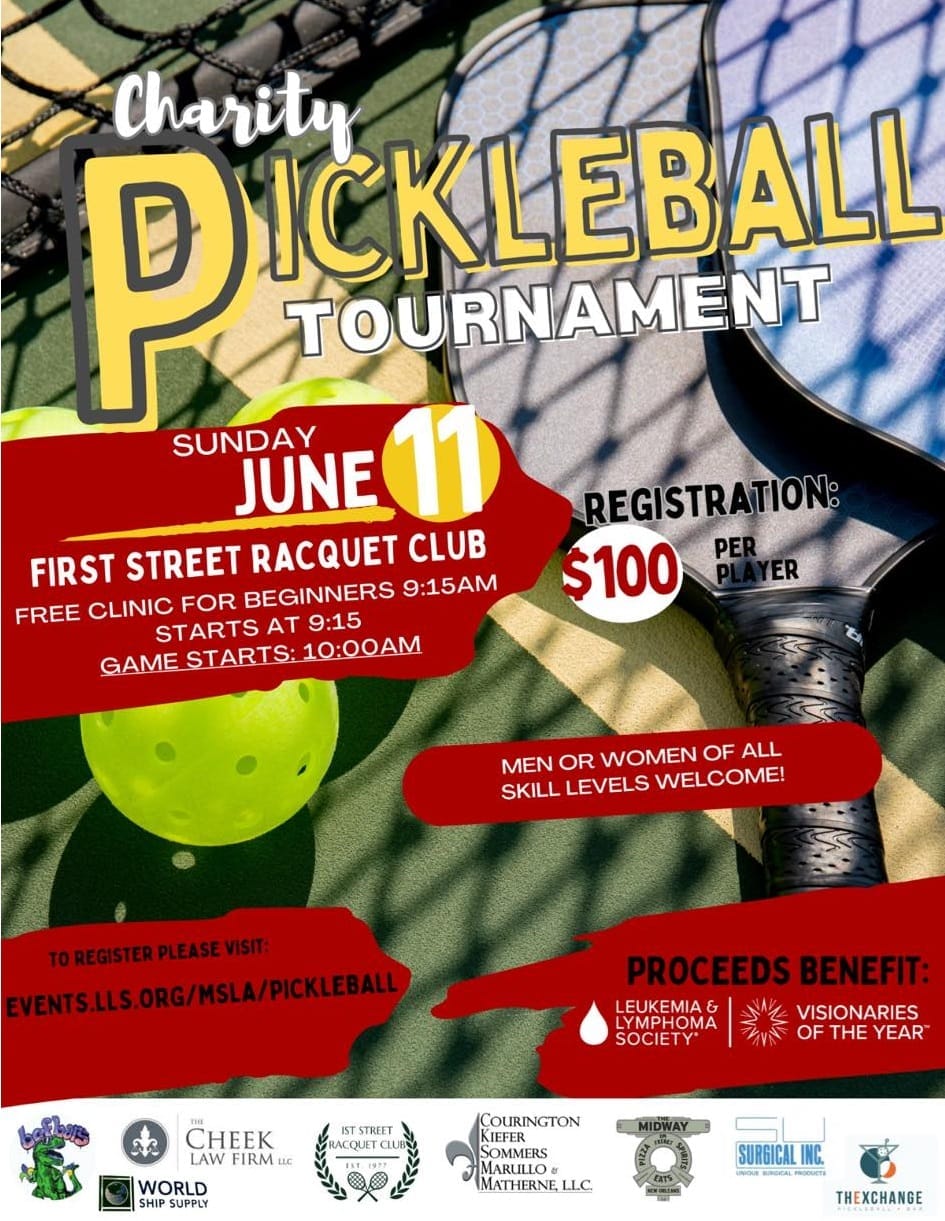
Credit: www.pickletip.com
Frequently Asked Questions For How Long Is A Pickleball Tournament
How Many Games Are In A Pickleball Tournament?
A pickleball tournament can have varying number of games depending on the format used. Some tournaments use a round robin format where players/teams play against each other, while others use a knockout format. The winner is determined based on win-loss records or head-to-head matches.
What Is The Typical Format Of Pickleball Tournament?
A typical pickleball tournament follows a round robin format where players or teams compete against each other. The winner is determined based on win-loss records and head-to-head matches in case of a tie.
How Do Pickleball Tournaments Work?
Pickleball tournaments follow rounds, with players or teams competing until there is one winner. Tournaments use formats like knockout or round robin.
How Many Pickleball Games Can You Play In An Hour?
A pickleball game can typically last between 15 to 25 minutes.
Conclusion
Pickleball tournaments can vary in length depending on the format and the number of participants. Typically, tournaments can last anywhere from a few hours to multiple days. The duration is determined by factors such as the number of games, the number of players or teams, and the format of the tournament.
One common format is the round robin, where all players or teams compete against each other, and the winner is determined based on win-loss records. This format can take longer as every participant plays multiple matches. Another format is the knockout, where players or teams are eliminated as they lose matches.
This format usually takes less time as the number of participants dwindles with each round. The duration of a pickleball tournament is also influenced by the efficiency of the tournament organization, including factors such as having a tournament director, volunteer coordinators, and referee coordinators.
The length of a pickleball tournament can vary widely depending on the format, number of participants, and organizational efficiency. It is important for players and organizers to plan accordingly to ensure a successful and enjoyable tournament experience.