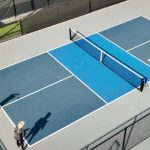
Yes, you switch ends in pickleball during a game if the sun is causing interference. Most players do not switch ends in recreational play unless the sun or wind conditions are particularly bad.
However, in official games, teams may switch sides once one team reaches six points if the sun is hindering one team’s visibility. There are no specific rules prohibiting switching hands in pickleball, but it is more common for players to switch ends rather than switching hands during a game.

Credit: www.bostonglobe.com
Factors To Consider When Deciding To Switch Ends In Pickleball
During a pickleball game, players may consider switching ends due to the sun’s interference. This is especially common in recreational play, where players try to balance the advantage of each side to ensure a fair game. It is essential to assess the impact of the sun on visibility and make a decision accordingly.
Pickleball is an exciting and fast-paced sport that can be played both indoors and outdoors. However, when playing pickleball outdoors, the position of the sun can often affect visibility and gameplay. When deciding whether to switch ends during a game because of the sun, there are several important factors to consider:
Impact Of Sun Position On Visibility And Gameplay
Here are some key points to consider regarding how the sun’s position can impact your visibility and gameplay:
- Sun glare: The sun’s glare can make it difficult to see the ball, especially during certain times of the day when it is directly in your line of sight. This can lead to missed shots and errors.
- Shadows: Depending on the angle of the sun, shadows can be cast on the court, making it challenging to judge the position and trajectory of the ball accurately.
- Difficulty tracking the ball: When the sun is low on the horizon, it can be tough to track the ball, as it can merge with the bright background.
Evaluation Of Sun Interference For Each Team
Consider the following points when evaluating the sun interference for each team:
- Observation of court: Take note of how the sun’s position affects both sides of the court. Assess whether one end is significantly more affected by the sun compared to the other.
- Communicate with your partner/team: Discuss with your partner or team members about the visibility challenges they are facing due to the sun. Collaborate and come to a consensus on whether it’s necessary to switch ends.
- Equal opportunity: Ensure that both teams have an equal opportunity to decide whether to switch ends if the sun is interfering with their gameplay.
Strategies For Minimizing Sun Disadvantages
To minimize the disadvantages caused by the sun, consider implementing the following strategies:
- Wear a hat/visor: Wearing a hat or visor can help shield your eyes from the direct sunlight, reducing the chances of sun glare.
- Use sunglasses: Wearing sunglasses with UV protection can significantly reduce the intensity of the sun’s glare and protect your eyes while playing.
- Positioning: Consider adjusting your positioning on the court to minimize the impact of the sun. For example, if the sun is shining directly into your eyes, adjust your position slightly to the side.
- Switch ends: If the sun’s interference is significant and affecting gameplay for one or both teams, it may be necessary to switch ends. This can help ensure a fair and enjoyable game for everyone.
By considering the impact of sun position on visibility and gameplay, evaluating sun interference for each team, and implementing strategies to minimize sun disadvantages, players can make informed decisions about whether to switch ends in pickleball. Remember to communicate and collaborate with your fellow players to ensure fair gameplay and maximize enjoyment of the sport.
When And How To Switch Ends In Pickleball Due To Sun Conditions
During a pickleball game, players typically switch ends after the first game. However, if the sun or wind is causing unfavorable conditions, players may choose to switch sides earlier to ensure a fair and enjoyable match.
Whether you’re a beginner or an experienced pickleball player, knowing when and how to switch ends in a game due to sun conditions is crucial. The sun can be a significant factor that affects visibility and the overall gameplay. Here’s everything you need to know about implementing the alternating serve method, timing and decision-making process, and communicating with your partner and opponents:
Implementing The Alternating Serve Method:
- When a point is scored, the server switches sides and initiates the next serve from the left-hand court.
- As subsequent points are scored, the server continues switching back and forth until a fault is committed and the first server loses the serve.
Timing And Decision-Making Process:
- Since the sun’s position can change during the game, it’s important to assess the sun’s interference level periodically.
- Consider switching ends if the sun becomes a major distraction, making it difficult to see the ball clearly.
- Timing the switch depends on the score. Many players choose to switch ends once a team reaches six points.
- The decision to switch ends should be a mutual agreement between both teams to ensure fairness.
Communicating With Your Partner And Opponents:
- Open communication is key when it comes to deciding whether to switch ends due to sun conditions.
- Talk to your partner and discuss the visibility issues caused by the sun. A mutual understanding is essential for a smooth switch.
- Approach your opponents respectfully and discuss the situation. It’s important to maintain sportsmanship and ensure everyone is on the same page.
Remember, the ultimate goal is to have a fair and enjoyable game for all players involved. By implementing the alternating serve method, considering timing and decision-making, and maintaining open communication with your partner and opponents, you can effectively handle sun conditions in pickleball.
Mastering Adaptation Skills In Pickleball And Sun Conditions
When playing pickleball, switching ends during a game due to sun conditions is not a common practice unless the sun or wind becomes problematic. Most players only switch sides if the sun or wind significantly affects gameplay.
In the game of pickleball, adaptation skills play a crucial role, especially when it comes to dealing with sun conditions. Mastering these skills can help you maintain a competitive edge and perform well regardless of the sun’s position. Here are some essential techniques and strategies to help you navigate the game effectively:
Footwork Techniques And Court Positioning:
- Position yourself strategically on the court to minimize the sun’s impact on your vision and control over the game.
- Consider switching ends strategically to ensure that you are not constantly playing with the sun in your eyes.
- Develop quick and agile footwork techniques to adjust your position effortlessly during the game and maintain control over the ball.
- Stay light on your feet and be ready to make quick movements to counter the effects of the sun.
Adjusting Your Shots And Gameplay Style:
- Modify your shot selection to adapt to the sun’s position and minimize errors caused by glare or shadow.
- Adjust your ball toss during serves to ensure a clear view of the ball and reduce the chances of serving errors caused by sun interference.
- Focus on hitting shots with a higher trajectory to avoid hitting directly into the sun and improve visibility for accurate shots.
- Consider altering your gameplay style by incorporating more dinks and drop shots, which require less power and can help you maintain control, even in sun glare situations.
Developing Sun-Friendly Strategies And Tactics:
- Communicate with your partner to coordinate movements and ensure effective teamwork in dealing with sun conditions.
- Use the sun strategically as a weapon against your opponents by aiming shots that force them to look directly into the sun.
- Stay mentally focused and adaptable, as the sun’s position may change throughout the game.
- Practice in various light conditions to improve your ability to cope with different sun angles and intensities.
By mastering adaptation skills, including footwork techniques, adjusting shots and gameplay style, and developing sun-friendly strategies, you can overcome the challenges posed by the sun in pickleball games. Keep practicing in different sun conditions to enhance your skills and ensure a competitive advantage over your opponents.
Frequently Asked Questions For Do You Switch Ends In Pickleball During A Game Because Of Sun
How Do You Know When To Switch Sides In Pickleball?
In pickleball, you switch sides when a point is scored and the server continues switching back and forth until a fault is committed and the serve is lost.
Can You Switch Sides During Play In Pickleball?
During a pickleball game, you can switch sides if the sun or wind is causing interference.
What Is The End Change In Pickleball?
The end change in pickleball occurs when a point is scored, and the server switches sides.
What Is The Golden Rule Pickleball?
The golden rule of pickleball is that players switch sides during the game if the sun or wind is causing interference. It is not common to switch sides in recreational play unless there are extreme weather conditions.
Conclusion
In pickleball, the decision to switch ends during a game often depends on external factors such as the sun or wind. While most players don’t switch sides in recreational play unless there are exceptional circumstances like intense sun or strong winds, it can be an important consideration to ensure fair gameplay.
The ideal courts should provide no advantage to either side, but sometimes environmental conditions make a switch necessary. Switching ends in pickleball can help alleviate the impact of the sun on one team, allowing for a more equitable match. When the sun becomes an interference for one team, they are allowed to switch sides once they have reached six points.
This ensures that both teams have an equal opportunity to play without being affected by the sun’s glare. Overall, while switching ends during a pickleball game may not be a common practice in recreational play, it is an important consideration when the sun or other external factors impact the game.
By prioritizing fairness and allowing players to switch sides in such situations, the game remains enjoyable and the competition remains balanced.