In pickleball, you should avoid getting too fancy with spin, pushing the ball, using the wrong wrist action, not squatting, not taking centerline shots, not letting balls go out, not anchoring, not backing up, and having a low paddle position. These mistakes can hinder your performance and lead to lower success rate in pickleball.
Pickleball is a fast-paced and exciting sport that combines elements of tennis, badminton, and ping pong. It is played with a paddle and a plastic ball on a court similar to a badminton court. While pickleball is easy to learn and enjoyable to play, there are certain mistakes that players should avoid.
These mistakes can affect your performance and hinder your ability to win matches. We will discuss some of the things that you should not do in pickleball, in order to improve your game and increase your chances of success on the court. By avoiding these mistakes, you can become a more skilled and effective pickleball player.
Getting Too Fancy With Spin
When playing pickleball, it’s important to avoid getting too fancy with spin. Instead, focus on the basics and avoid common mistakes such as not taking center-court shots and staying in no man’s land. Keep your footwork solid and control the ball height to improve your game.
Adding spin to your shots can be a great way to outmaneuver your opponents and gain an advantage in pickleball. However, getting too fancy with spin can lead to costly mistakes on the court. Let’s take a closer look at why adding too much spin can be problematic and how to properly use spin in your game.
Why Adding Too Much Spin Can Lead To Mistakes:
- Over-spinning the ball can cause it to sail out of bounds, giving your opponents an easy point.
- Excessive spin can make your shots unpredictable and difficult to control, resulting in missed opportunities.
- Trying to execute complicated spin shots may lead to errors in form and technique, making it harder to maintain an accurate and consistent game.
Proper Use Of Spin In Pickleball:
- Spin can be used to change the trajectory and speed of the ball, making it more challenging for your opponents to return.
- Adding underspin can cause the ball to bounce lower, making it harder for your opponents to anticipate the shot.
- Utilizing topspin can give your shots more power and accuracy, allowing you to hit the ball with greater force and control.
Techniques To Improve Spin Control:
- Focus on your grip: Experiment with different grip styles, such as the continental grip, to find the one that allows you to generate optimal spin.
- Practice your wrist action: Develop a smooth and controlled wrist action to generate spin without sacrificing accuracy.
- Work on your timing: Proper timing is essential when adding spin to your shots. Practice your swing to ensure that you are making contact with the ball at the right moment for maximum spin.
- Experiment with paddle angle: Adjusting the angle of your paddle can have a significant impact on the amount of spin you generate. Test different angles to find what works best for you.
Remember, while incorporating spin into your pickleball game can be effective, it’s important not to get too carried away. Keep your shots controlled and precise to avoid unnecessary mistakes. By mastering the proper use of spin and continually practicing your technique, you’ll be able to add an impressive touch to your game without sacrificing consistency and accuracy.
Pushing The Ball
In order to excel in pickleball, there are certain things you should avoid. These include getting too fancy with spin, improper wrist action, not squatting, not taking centerline shots, not letting balls go out, and failing to anchor yourself. By avoiding these mistakes, you can improve your performance in the game.
Why Pushing The Ball Is A Common Mistake:
- Lack of control: Pushing the ball often results in a slower, less accurate shot, leading to decreased control over the game.
- Predictability: Opponents can easily anticipate and counter push shots, reducing your chances of scoring points.
- Limited shot options: Push shots limit your ability to vary your shots and keep your opponents off balance.
- Defensive disadvantage: Pushing the ball puts you in a defensive position, allowing your opponents to take control of the game.
Impact Of Pushing On Gameplay:
- Slower pace: Pushing the ball slows down the game, making it easier for opponents to defend and react.
- Defensive mindset: Pushing the ball encourages a defensive strategy, preventing you from taking the offensive and dictating the game.
- Lack of aggression: Push shots often lack power and aggressiveness, making it difficult to score winning shots.
Effective Strategies For Hitting The Ball Instead Of Pushing It:
- Develop proper technique: Focus on learning the correct form and technique for hitting the ball, such as using a proper grip and swing.
- Practice different shot types: Work on mastering a variety of shots including volleys, dinks, and smashes to become a well-rounded player.
- Use your body: Engage your entire body in the shot, utilizing your legs and core to generate power and control.
- Aim for placement: Instead of simply hitting the ball back over the net, aim for specific areas of the court to create opportunities for winning shots.
- Stay aggressive: Maintain an offensive mindset during the game, looking for opportunities to attack and force your opponents into defensive positions.
By avoiding the common mistake of pushing the ball and instead focusing on hitting it with proper technique and strategy, you can elevate your pickleball game and increase your chances of success on the court.
Wrong Wrist Action
Avoid using incorrect wrist action in pickleball. This mistake can negatively impact your shots and overall gameplay. Focus on maintaining proper wrist position and alignment for better control and accuracy.
The Importance Of Proper Wrist Action In Pickleball
- A solid wrist action technique is crucial for achieving accuracy and power in your pickleball shots.
- It allows you to control the paddle and generate the necessary force to hit the ball effectively.
- Without proper wrist action, your shots may lack power, precision, and control, making it difficult to compete at a high level in pickleball.
Common Mistakes In Wrist Action
- Gripping the paddle too tightly: This can restrict your wrist movement and limit your shot variety.
- Overusing the wrist: Relying solely on wrist action can cause inconsistency and increase the risk of injury.
- Failing to follow through: Neglecting to fully extend your arm and follow through with your wrist can result in inaccurate shots.
Tips For Improving The Accuracy And Power Of Shots Through Proper Wrist Action
- Maintain a relaxed grip: Holding the paddle with a loose grip allows for better wrist mobility and flexibility.
- Use a combination of wrist and arm motion: Utilize a fluid movement that combines both the wrist and arm for more effective shots.
- Practice the correct follow-through: Follow through with your shots by extending your arm and snapping your wrist to ensure a clean and powerful strike.
- Focus on wrist rotation: Mastering the rotation of your wrist during your swing will allow for better control and accuracy.
- Seek guidance from a coach or instructor: A professional can help identify and correct any flaws in your wrist action technique.
Remember, mastering the proper wrist action takes time and practice. By dedicating time to improving this aspect of your pickleball game, you’ll enhance your shots, improve your accuracy, and ultimately become a more formidable player on the court.
Credit: www.muscleandfitness.com
Not Squatting
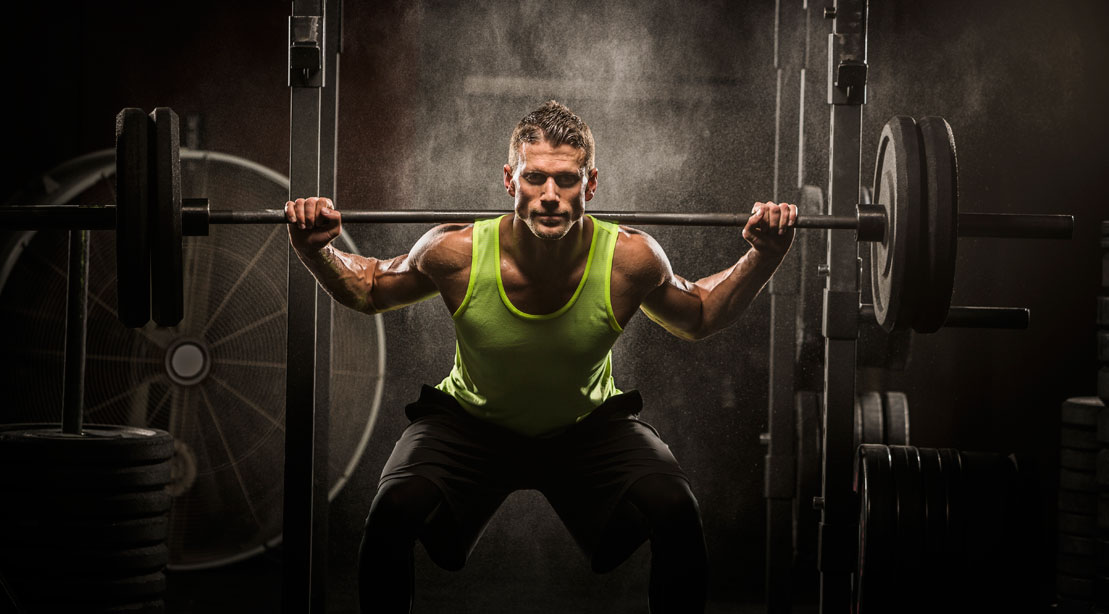
In the game of pickleball, one common mistake to avoid is not squatting. It is important to maintain a low, athletic stance to improve balance and agility on the court.
The Role Of Squatting In Pickleball:
- Squatting is a crucial technique in pickleball that helps players maintain balance, stability, and control during the game.
- It involves bending the knees and lowering the body’s center of gravity, allowing players to move quickly and react to shots effectively.
Consequences Of Not Squatting:
- Not squatting in pickleball can lead to a range of issues that negatively impact gameplay and increase the risk of injuries:
- Reduced stability: Without squatting, players may struggle to maintain balance and stability, making it harder to move confidently on the court.
- Limited reach: Squatting enables players to reach low shots and make accurate returns. Failing to squat may restrict players’ ability to reach low balls, resulting in missed shots.
- Slow reaction time: Squatting helps players react quickly to different shots by positioning their bodies for easy movement. Not squatting can slow down reaction time, decreasing overall performance.
Techniques To Improve Squatting Technique And Enhance Gameplay:
- Practice proper form: Focus on bending the knees and lowering the body’s center of gravity when preparing for shots.
- Strengthen leg muscles: Engage in exercises like squats and lunges to build leg muscles, which are essential for maintaining a strong squatting position.
- Core stability exercises: Strengthening the core muscles can improve overall stability and balance, enhancing the effectiveness of squatting on the court.
- Flexibility training: Work on improving flexibility in the hips, knees, and ankles to increase the range of motion while squatting.
- Incorporate drills into training: Include specific drills that focus on squatting technique and movement on the court to reinforce proper form and muscle memory.
Remember, squatting is a fundamental technique in pickleball that should not be neglected. By practicing and incorporating proper squatting techniques into your gameplay, you can enhance your performance and avoid unnecessary injuries.
Not Taking Centerline Shots
One common mistake to avoid in pickleball is not taking centerline shots. This error is not limited to beginners and intermediate players, but can also be seen in more experienced players. By failing to take advantage of centerline shots, players miss out on strategic opportunities to gain control of the game.
The Significance Of Centerline Shots In Pickleball:
- Centerline shots in pickleball refer to hitting the ball down the middle of the court, dividing it into two equal halves.
- These shots play a crucial role in maintaining control and dictating the pace of the game.
- They prevent opponents from attacking or exploiting weaknesses on the sides of the court.
- Centerline shots also create confusion and force opponents to communicate and coordinate their movements effectively.
Common Errors In Centerline Shot Selection:
- Hitting the ball too close to the sideline can result in going out of bounds, giving the opponent an advantage.
- Failing to cover the centerline after hitting the shot leaves a gap for opponents to exploit.
- Overusing centerline shots can become predictable, enabling opponents to anticipate and counter them.
Strategies For Effectively Incorporating Centerline Shots Into Gameplay:
- Mix up your shots by alternating between cross-court shots and centerline shots to keep opponents guessing.
- Aim for the deep centerline shot, placing the ball just past the halfway point, to make it difficult for opponents to reach.
- Follow up a deep centerline shot with a quick transition to the kitchen line, ready to attack any weak returns.
- Practice your footwork to ensure proper positioning for executing centerline shots effectively.
- Communicate with your partner to maximize the effectiveness of centerline shots in doubles play.
Remember, mastering centerline shots in pickleball requires practice, adaptability, and strategically incorporating them into your overall gameplay. Don’t shy away from experimenting and developing your own style to keep opponents on their toes.
Not Letting Balls Go Out
One of the things you should avoid in pickleball is not letting balls go out. It’s important to recognize when a ball is heading out of bounds and not try to save it, as this can lead to unnecessary mistakes and give your opponent an advantage.
The Impact Of Not Letting Balls Go Out Of Bounds:
- Letting balls go out of bounds is an essential skill in pickleball that many players neglect. However, not letting balls go out can have several negative consequences:
- Losing points**: If you try to hit every ball that comes your way, there’s a high chance of hitting it into the net or out of bounds, resulting in lost points for your team.
- Lack of control**: Attempting to hit every ball can lead to poor shot selection, causing you to lose control of the game and make unnecessary mistakes.
- Fatigue**: Constantly trying to save every ball requires a lot of energy and can leave you tired and less effective as the game progresses.
The Importance Of Shot Selection And Situational Awareness:
- Shot selection and situational awareness are crucial in determining whether to let a ball go out of bounds. Here’s why:
- Maximizing control**: By choosing the right shots, you can maintain control over the game and avoid making unnecessary errors.
- Taking advantage of opportunities**: Letting balls go out of bounds strategically allows you to capitalize on your opponent’s mistakes and gain an advantage in the game.
- Reducing fatigue**: Making wise shot selection decisions prevents you from wasting energy on shots that are unlikely to succeed, thus preserving your stamina for important moments.
Tips For Making The Right Decision When Letting Balls Go Out Of Bounds:
- Making the decision to let a ball go out of bounds can be challenging, but these tips can help you navigate the process:
- Evaluate the trajectory**: Assess the ball’s trajectory and determine if it’s heading out of bounds. Pay attention to its height, speed, and direction to make an informed decision.
- Consider the game situation**: Take into account the score, the skill level of your opponents, and the current game strategy before deciding whether to let the ball go or try to play it.
- Communicate with your partner**: If you’re playing doubles, communicate with your partner to ensure you’re on the same page regarding when to let balls go out. This will help avoid confusion and improve decision-making.
- Practice awareness and decision-making**: Regularly practice situational awareness during gameplay and focus on making conscious decisions about whether to let balls go out. This will help you improve your judgment over time.
- Learn from experience**: Reflect on your past matches and the outcomes of your decision-making regarding letting balls go out. Use this knowledge to adjust your strategies and make better choices in future games.
Remember, in pickleball, not letting balls go out of bounds is not always the best option. By developing the skill of knowing when to let a ball go, you can make more strategic decisions, maximize your control over the game, and increase your chances of success.
Not Anchoring
In pickleball, one thing you should not do is not anchoring. This refers to not maintaining a stable and balanced position while hitting the ball, which can lead to poor shot execution and loss of control. It’s important to stay grounded and rooted to improve your game.
The Role Of Anchoring In Pickleball:
- Anchoring refers to the technique of maintaining a stable position on the court while executing shots in pickleball.
- It involves positioning your feet firmly and planting your weight to establish a solid base from which you can generate power and control your shots effectively.
Common Mistakes In Maintaining A Stable Position On The Court:
- Shifting or moving your feet during shot execution can result in loss of balance and stability.
- Failing to position yourself correctly in relation to the incoming ball can make it difficult to execute shots accurately.
- Not maintaining a low center of gravity by bending your knees can affect your balance and overall shot execution.
Techniques For Improving Anchoring And Maximizing Shot Execution:
- Ensure proper footwork by positioning your feet shoulder-width apart and pointing them towards the target.
- Bend your knees slightly and maintain a low center of gravity throughout the game to improve balance and stability.
- Practice pivoting on the balls of your feet to quickly adjust your position and react to shots.
- Focus on maintaining a strong core and engaging your leg muscles to establish a stable base.
- Incorporate agility and balance exercises into your training routine to improve your anchoring skills.
Remember, anchoring plays a crucial role in pickleball, as it allows you to generate power, maintain control, and execute accurate shots. By mastering the art of anchoring, you can improve your overall performance on the court.
Backing Up
When it comes to pickleball, there are some things you should not do. Avoid backing up during gameplay to maintain control and accuracy. Stay anchored and take center-line shots for better results.
The Necessity Of Backing Up In Pickleball:
Backing up is an essential skill in pickleball that every player should master. It involves moving backward quickly and efficiently on the court to maintain good court coverage and prepare for the opponent’s shots. Here are some reasons why backing up is crucial in pickleball:
- Maintaining a defensive position: By backing up, you can stay in a defensive position, allowing you to respond effectively to your opponent’s shots. This position gives you more time to react and move towards the ball, increasing your chances of returning it successfully.
- Avoiding being caught off guard: Backing up ensures that you are prepared for any shots that may come your way. It helps you anticipate your opponent’s moves and prevent them from catching you off guard with unexpected shots.
- Covering more court space: Moving backward allows you to cover more court space, ensuring that you can reach shots that are hit deep or wide. This increases your court coverage and reduces the chances of your opponent finding open areas to exploit.
- Defending against powerful shots: Backing up enables you to defend against powerful shots that can be difficult to return if you stay close to the net. By moving backward, you can position yourself better to handle fast-paced shots and maintain control over the rally.
Consequences Of Not Backing Up:
Failing to back up when playing pickleball can have several negative consequences. Here’s what can happen if you neglect this crucial skill:
- Exposing open court space: If you don’t move backward, you leave open court space behind you that your opponent can exploit. This makes it easier for them to hit shots that are out of your reach and score points.
- Being off balance: Without proper backing up, you may find yourself off balance, especially when your opponent hits a deep shot. This makes it challenging to return the ball accurately and puts you at a disadvantage in the rally.
- Getting caught near the net: By not moving backward, you risk being caught near the net when your opponent hits a powerful shot. This makes it difficult to react and defend against such shots, potentially leading to errors and lost points.
- Ineffective court coverage: Without backing up, your court coverage becomes limited, as you won’t be able to reach shots hit deep or wide. This allows your opponent to place the ball strategically and exploit the areas you can’t defend.
Strategies for effectively moving backward on the court:
To improve your backward movement in pickleball, consider the following strategies:
- Stay light on your feet: Keep your weight balanced and stay light on your feet to enable quick backward movement. This allows you to react swiftly to your opponent’s shots and adjust your positioning accordingly.
- Adopt the split-step technique: Utilize the split-step technique, which involves jumping and landing with your feet shoulder-width apart just before your opponent hits the ball. This technique helps you maintain balance and react quickly to shots.
- Practice agility drills: Engage in agility drills to improve your backward movement. These drills can include ladder exercises, cone drills, and shuttle runs, which will enhance your footwork and speed on the court.
- Maintain a low athletic stance: Bend your knees and lower your center of gravity to maintain a stable and balanced position while moving backward. This stance allows for better control and quick changes in direction on the court.
- Anticipate your opponent’s shots: Try to predict where your opponent will hit the ball and adjust your positioning accordingly. By reading the game and anticipating shots, you can move backward more efficiently and be better prepared for each rally.
Remember, mastering the skill of backing up in pickleball takes practice and discipline. By consistently working on your footwork and adopting these strategies, you can become more effective at covering the court and responding to your opponent’s shots.
Bonus: Low Paddle Position
One thing you should avoid doing in pickleball is having a low paddle position. This can lead to improper technique and ineffective shots. Keeping your paddle at the proper height will allow for better control and accuracy in your game.
Pickleball players often underestimate the significance of their paddle position, particularly when it comes to playing at a low height. While it may seem inconsequential, a low paddle position can negatively impact your game and hinder shot execution. To help you understand the disadvantages of a low paddle position and how it affects shot execution, as well as provide tips for maintaining an optimal paddle position, read on!
The Disadvantages Of A Low Paddle Position:
- Limited reach: A low paddle position restricts your reach, making it difficult to hit balls that are higher or farther away.
- Decreased power: When your paddle is positioned low, you lose the ability to generate power efficiently, resulting in weaker shots.
- Reduced control: Maintaining a low paddle position makes it challenging to control the direction and trajectory of your shots accurately.
How A Low Paddle Position Affects Shot Execution:
- Decreased clearance: With a low paddle position, you are more likely to hit the ball into the net during volleys and serves, as your paddle may not clear the net height effectively.
- Difficulties with hitting deep shots: A low paddle position can make it harder to hit deep shots, often resulting in your shots falling short and allowing your opponents to take advantage.
- Challenges with dinking: Dinking, a delicate and finesse shot, becomes more challenging when your paddle is positioned low, affecting your ability to place the ball accurately over the net.
Tips For Maintaining An Optimal Paddle Position:
- Keep your paddle at waist level: To ensure an optimal paddle position, aim to keep it at waist level or slightly higher.
- Bend your knees: Maintain a slight bend in your knees while playing to facilitate better paddle position and flexibility.
- Practice paddle positioning drills: Focus on drills that specifically target maintaining an ideal paddle position to improve your muscle memory and consistency.
Remember, a proper paddle position significantly contributes to your overall performance in pickleball. By avoiding a low paddle position, you can enhance your reach, power, and control, ultimately improving your shot execution. So next time you step onto the pickleball court, pay attention to your paddle position and strive for the ideal height to take your game to new heights!
Challenge
Are you new to pickleball? Avoid making common mistakes such as getting too fancy with spin, pushing the ball, wrong wrist action, not squatting, not taking centerline shots, not letting balls go out, not anchoring, and backing up. Learn from the pros on YouTube channels like Pickleball Kitchen, ThatPickleballGuy, and Better Pickleball for more tips and challenges to improve your game.
: Identifying And Overcoming Common Mistakes In Pickleball
Playing pickleball can be an enjoyable and rewarding experience, but it’s important to be aware of the common mistakes that can hinder your game. In this section, we’ll challenge you to identify and overcome these mistakes in order to improve your pickleball skills.
Let’s dive in!
Mistake 1: Getting Too Fancy With Spin
- Focusing too much on using spin can lead to errors in your shots.
- Simplify your game by focusing on hitting the ball cleanly without excessive spin.
Mistake 2: Pushing The Ball Instead Of Swinging
- Pushing the ball is a common mistake, especially for beginners.
- Instead, work on developing a proper swinging motion to generate power and accuracy in your shots.
Mistake 3: Incorrect Wrist Action
- Improper wrist action can result in inconsistent shots.
- Practice proper wrist movement to ensure better control and accuracy in your shots.
Mistake 4: Not Squatting During Shots
- Neglecting to squat can affect your balance and power.
- Incorporate squatting into your shots to improve stability and generate more power.
Mistake 5: Not Taking Centerline Shots
- Failure to take centerline shots can leave you vulnerable to opponents.
- Improve your positioning and footwork to ensure you’re in the best position to hit shots down the centerline.
Mistake 6: Not Allowing Balls To Go Out
- Trying to hit every ball can lead to unnecessary errors.
- Learn to recognize when a ball is going out and let it go to avoid making mistakes.
Mistake 7: Not Anchoring
- Failure to anchor yourself can result in poor balance and positioning.
- Focus on establishing a stable base by keeping one foot planted while hitting shots.
Mistake 8: Backing Up Too Much
- Over-backing can lead to defensive play and limit your offensive capabilities.
- Practice maintaining a balanced court position to optimize your gameplay.
Now that you’re aware of these common mistakes, take on the challenge of identifying and overcoming them in your own game. By focusing on improving these areas, you’ll become a better pickleball player and enhance your overall performance on the court.
Good luck!
Summary
In pickleball, it is important to avoid certain mistakes such as getting too fancy with spin, pushing the ball, wrong wrist action, not squatting, not taking centerline shots, not letting balls go out, not anchoring, backing up, and low paddle position.
These common errors can hinder your performance in the game.
Recap Of The Main Points Discussed In The Article:
- Getting too fancy with spin: Avoid trying to incorporate excessive spin into your shots as it can lead to inconsistencies and loss of control.
- Pushing the ball: Instead of simply pushing the ball back over the net, focus on executing proper shots with a good technique to maintain control and accuracy.
- Wrong wrist action: Pay attention to your wrist action and avoid incorrect movements that can affect the trajectory and power of your shots.
- Not squatting: Remember to use your legs and squat to generate power and stability in your shots, rather than relying solely on your arms.
- Not taking centerline shots: Make sure to position yourself correctly and take advantage of centerline shots, which can put your opponents in a difficult position.
- Not letting balls go out: Don’t make the mistake of hitting every ball that comes your way. Learn to judge whether a ball is going out of bounds and avoid unnecessary shots.
- Not anchoring: Maintain stability and balance by anchoring your non-dominant foot while hitting shots, ensuring better control and accuracy.
- Backing up: Avoid backing up too much when defending, as it can create a bigger gap between you and the net, making it harder to retrieve shots.
- Low paddle position (Bonus): Keep your paddle at an appropriate height to avoid hitting the ball too low, which can result in poor shot execution.
- Not properly addressing common mistakes: Summarize the importance of avoiding these common mistakes in order to improve your overall gameplay in pickleball.
Remember, by avoiding the mentioned mistakes, you will enhance your skills in pickleball and enjoy a more successful and satisfying experience on the court.
Frequently Asked Questions For What Should You Not Do In Pickleball
What Is The Number One Injury In Pickleball?
The number one injury in pickleball is lower extremity injuries such as ankles, knees, and hips. Twisting and bending motions can also cause lower back problems.
What Do You Find Most Difficult When It Comes To Playing Pickleball?
The most difficult aspect of playing pickleball is not taking center-court shots as the forehand player and staying in “No Man’s Land”. Additionally, getting into dinking battles and poaching when it’s not necessary can also be challenging.
How Do You Hit A Ball Harder In Pickleball?
To hit a ball harder in pickleball, use an Eastern grip, a square stance, and place your non-dominant hand on the throat of the paddle. Load with a “C” shape, rotate your hips and shoulders, step into the shot, and finish high.
What Injuries Do Seniors Get In Pickleball?
Seniors in pickleball commonly experience injuries to their lower extremities like ankles, knees, and hips. The constant twisting and bending motions can also cause discomfort in the lower back.
Conclusion
Pickleball is a fun and exciting sport, but it’s important to avoid certain mistakes to improve your game. One common error is not taking center-court shots, which can limit your opportunities to score points. Staying in “No Man’s Land,” or the middle of the court, can also hinder your performance.
Another mistake to avoid is getting into excessive dinking battles, as this can lead to unforced errors. Additionally, having cemented feet and not moving around the court can limit your reach and flexibility. Lastly, gripping the paddle poorly and having weak footwork can negatively impact your game.
By being aware of these common mistakes and actively working to avoid them, you can enhance your skills and overall performance in pickleball. So, keep these guidelines in mind and enjoy the game to its fullest. Get out on the court, practice your shots, and have a great time playing pickleball!