A pickleball paddle can be made of various materials, including graphite, carbon fiber, fiberglass, and wood. These materials determine the performance and characteristics of the paddle, allowing players to choose between increased control or power.
Hybrid options combining different materials are also available in the market. The choice of paddle material is crucial in enhancing the overall gameplay experience in pickleball. Thus, understanding the different options available can help players make an informed decision when selecting their ideal paddle.
Introduction To Pickleball Paddles
Pickleball paddles are made of various materials such as carbon fiber, aluminum, and wood. Each material provides a different feel and performance on the court.
Brief Overview Of Pickleball Paddles:
A pickleball paddle is the primary equipment used in the sport of pickleball. It is a crucial component that directly affects your gameplay and performance. Understanding the construction materials of pickleball paddles is essential for players of all levels. The paddle’s construction materials determine its weight, durability, power, control, and overall feel.
Let’s explore the importance of understanding these materials.
Importance Of Understanding The Construction Materials:
Knowing the different materials used in pickleball paddles helps you make an informed decision when purchasing one. Each material has its unique properties that directly impact your gameplay. Whether you are a beginner or an experienced player, understanding paddle materials allows you to choose the right one that suits your playing style and preferences.
Let’s dive into the significance of paddle materials in gameplay.
Highlighting The Role Of Paddle Materials In Gameplay:
Consider the following factors when it comes to understanding the role paddle materials play in gameplay:
- Carbon Fiber: Carbon fiber paddles are lightweight, durable, and offer excellent power and control. They provide a responsive feel and are popular among competitive players seeking high-performance paddles.
- Aluminum: Aluminum paddles are known for their durability and strength. These paddles provide good power and control and are suitable for players who prefer a slightly heavier paddle with a solid feel.
- Wood: Wood paddles are the original and traditional choice for pickleball. They offer a unique feel and are ideal for recreational players. Wood paddles are typically heavier and provide a soft touch and control.
- Graphite: Graphite paddles are a popular choice among players of all levels. They are lightweight, offer great power, control, and maneuverability. Graphite paddles are known for their responsive feel and are often favored by advanced players.
- Composite: Composite paddles combine different materials such as fiberglass, carbon fiber, and polymer. These paddles offer a balance of power, control, and versatility. They are suitable for players who want a combination of durability and performance.
Understanding the construction materials of pickleball paddles allows you to select a paddle that matches your playing style, whether you prioritize power, control, maneuverability, or a balance of all three. It is important to try out different paddle materials to find the one that suits you best.
Remember, choosing the right paddle can greatly enhance your pickleball experience.
Wood Pickleball Paddles: Traditional And Versatile
Wood pickleball paddles are a traditional and versatile choice for players. Made of high-quality wood, these paddles offer excellent control and durability on the court.
Characteristics Of Wood Pickleball Paddles:
- Wood pickleball paddles are known for their traditional and versatile nature.
- These paddles are made from various types of wood, each offering unique characteristics and qualities.
- Wood paddles typically have a solid wood face, providing a natural feel and durability.
- They are often heavier compared to other materials, which can offer better control and power during gameplay.
- Wood paddles have a softer impact on the pickleball, resulting in a slower game with more control.
- These paddles are suitable for players who prefer a traditional and classic feel while playing pickleball.
Pros And Cons Of Using Wood Paddles:
Pros:
- Natural feel: Wood paddles offer a unique tactile experience due to their solid wood face.
- Versatility: Wood paddles can be suitable for both beginners and experienced players.
- Durable: They are known for their longevity and can withstand regular use.
- Control: Wood paddles provide good control over shots, allowing for precise placement.
Cons:
- Weight: Wood paddles tend to be heavier, which may cause fatigue during long matches.
- Power: They may lack the power and speed of other paddle materials like carbon fiber or graphite.
- Maintenance: Wood paddles require regular maintenance, such as oiling and cleaning, to maintain their durability.
Popular Types Of Wood Used In Paddle Construction:
- Maple: Maple wood is commonly used in pickleball paddle construction. It offers a good balance of strength and flexibility, making it suitable for players of different skill levels.
- Birch: Birch wood is another popular choice due to its durability and smooth surface. It provides excellent control and a consistent playing experience.
- Ash: Ash wood is known for its lightweight properties, making paddles made from this wood easier to maneuver. Ash also offers good shock absorption, reducing strain on the player’s arm.
- Poplar: Poplar wood is often used in budget-friendly wood paddles. While it may not have the same performance as other hardwoods, it still offers a decent playing experience for recreational players.
Remember, wood pickleball paddles provide a classic feel and can be a great choice for players who value control and versatility. However, consider your playing style and preferences before deciding on the material of your pickleball paddle.
Composite Pickleball Paddles: The Perfect Balance
Composite pickleball paddles strike the perfect balance, combining the durability of carbon fiber, the lightweight feel of aluminum, and the classic appeal of wood. These versatile paddles offer players the best of all worlds, making them a popular choice for pickleball enthusiasts.
Exploring the construction of composite paddles:
- Composite paddles are made by combining different materials, such as fiberglass, carbon fiber, and/or graphite, with a polymer core.
- The layers of materials are bonded together to create a sturdy and durable paddle.
- The use of composites allows manufacturers to create paddles with specific characteristics, such as increased power, control, or maneuverability.
Advantages and disadvantages of composite materials:
- Advantages:
- Lightweight: Composite paddles are typically lighter than paddles made of other materials, making them easier to handle and maneuver.
- Durability: The combination of materials used in composite paddles provides strength and longevity, allowing them to withstand the rigors of the game.
- Versatility: Composite paddles can be customized with different layers and combinations of materials to suit different playing styles and preferences.
- Disadvantages:
- Cost: Composite paddles tend to be more expensive than paddles made of other materials due to the use of premium materials and manufacturing processes.
- Loss of feel: Some players may find that composite paddles have less “feel” compared to other materials, which can impact their touch and control on the court.
Common types of composites used in paddle making:
- Fiberglass: Fiberglass is commonly used in the construction of composite paddles due to its lightweight and durable properties. It provides excellent strength and stability to the paddle.
- Carbon Fiber: Carbon fiber is renowned for its exceptional strength-to-weight ratio, making it a popular choice for high-performance paddles. It offers increased power and responsiveness.
- Graphite: Graphite is another commonly used material in composite paddles. It provides excellent stiffness, strength, and lightweight characteristics, contributing to enhanced control and maneuverability.
By utilizing composite materials in pickleball paddle construction, players can enjoy a perfect balance of power, control, and durability. The combination of fiberglass, carbon fiber, and graphite allows for versatility and customization, catering to individual playing styles. While composite paddles may come with a higher price tag and potentially slightly diminished “feel,” their lightweight nature and superior performance capabilities make them a popular choice among avid pickleball enthusiasts.
Carbon Fiber Pickleball Paddles: Unparalleled Performance
Carbon fiber pickleball paddles offer unparalleled performance. Made from lightweight and strong carbon fiber material, these paddles provide exceptional power and control on the pickleball court. Experience the difference with carbon fiber pickleball paddles.
Delving Into The World Of Carbon Fiber Paddles:
Carbon fiber pickleball paddles have gained immense popularity among players due to their unparalleled performance. These paddles are lightweight, durable, and provide excellent power and control on the court. Here’s a closer look at the world of carbon fiber paddles:
Discussing The Benefits And Drawbacks Of Carbon Fiber:
Benefits:
- Exceptional strength-to-weight ratio: Carbon fiber paddles are incredibly lightweight, making it easier for players to maneuver and swing the paddle with less effort.
- Enhanced power and control: The stiffness of carbon fiber allows players to generate maximum power and control during their shots, resulting in better performance on the court.
- Durability: Carbon fiber is known for its exceptional strength, making the paddles more resistant to wear and tear, ensuring they last longer.
- Vibration absorption: Carbon fiber absorbs vibrations, reducing the impact on the player’s arm and wrist, resulting in a more comfortable and enjoyable playing experience.
Drawbacks:
- Cost: Carbon fiber paddles tend to be more expensive compared to other paddle materials due to the higher production costs associated with carbon fiber technology.
- Less forgiveness: Carbon fiber paddles are known to have less forgiveness, meaning that the player needs to have good technique and control to fully utilize their potential.
- Less touch and feel: Some players may find that carbon fiber paddles provide less touch and feel compared to other materials like wood or composite.
Highlighting The Different Types Of Carbon Fiber Used In Paddles:
Carbon fiber paddles are made using different types of carbon fibers to achieve varying characteristics. Here are some common types:
- Standard carbon fiber: This type of carbon fiber provides a good balance of strength, weight, and performance. It is widely used in carbon fiber pickleball paddles.
- High modulus carbon fiber: This type of carbon fiber offers even greater stiffness and strength, enhancing the power and control of the paddle. It is often used in premium paddles for professional players.
- Aerospace-grade carbon fiber: This type of carbon fiber is the highest quality available, offering the ultimate in strength and performance. Paddles made with aerospace-grade carbon fiber deliver exceptional power and precision.
Using different types of carbon fiber allows paddle manufacturers to cater to various player preferences and skill levels.
Carbon fiber pickleball paddles provide unparalleled performance on the court, offering lightweight design, enhanced power and control, durability, and vibration absorption. While they may come with a higher price tag and require good technique, these paddles are a popular choice among players seeking top-notch performance.
Aluminum Pickleball Paddles: Lightweight And Durable
Aluminum pickleball paddles are a popular choice due to their lightweight and durable nature. They provide players with a comfortable and reliable paddle that can withstand the demands of intense gameplay without compromising on performance.
Understanding The Construction Of Aluminum Paddles:
- Aluminum pickleball paddles are constructed using a combination of aluminum materials and other components.
- The paddle face is typically made of a durable aluminum material, while the core may consist of lightweight materials such as polymer or honeycomb.
- These components are bonded together to create a paddle that is both lightweight and durable.
- Aluminum paddles often feature a textured surface or special grip to enhance control and reduce slippage during gameplay.
Examining The Pros And Cons Of Aluminum As A Material:
- Pros:
- Lightweight: Aluminum paddles are known for being lightweight, making them easy to maneuver and swing.
- Durable: Aluminum is a highly durable material, capable of withstanding heavy gameplay and impact.
- Corrosion-resistant: Aluminum is resistant to rust and corrosion, ensuring that your paddle will last for a long time.
- Stiffness: Aluminum paddles offer a higher level of stiffness compared to other materials, which can result in increased power and control.
- Cons:
- Less forgiving: Aluminum paddles tend to have a less forgiving feel compared to paddles made from softer materials like graphite or polymer.
- Vibration: Aluminum paddles may transmit more vibrations upon impact, which could lead to discomfort for some players.
- Price: Aluminum paddles can be more expensive compared to paddles made from other materials.
Popular Variations And Alloys Used In Aluminum Paddle Production:
- Aluminum alloys: Different alloys are used in the production of aluminum paddles to enhance specific characteristics such as strength, weight, and performance.
- 6061 aluminum: This is one of the most commonly used alloys due to its excellent strength-to-weight ratio and corrosion resistance.
- 7075 aluminum: This alloy offers even higher strength and durability, making it ideal for players looking for a sturdier paddle.
- Hybrid variations: Some paddle manufacturers combine aluminum with other materials like graphite or polymer to create a hybrid paddle that offers a balance of lightweight design and enhanced performance.
By understanding the construction of aluminum paddles, examining the pros and cons of using aluminum as a material, and exploring popular variations and alloys used in aluminum paddle production, you can make an informed decision when choosing the right paddle for your pickleball game.
Credit: www.paddletek.com
Graphite Pickleball Paddles: Superior Power And Control
Graphite pickleball paddles offer superior power and control on the court. Made of high-quality graphite material, these paddles provide a lightweight yet durable option for players looking for precision in their shots.
Exploring The Features Of Graphite Paddles
Graphite pickleball paddles are known for their superior power and control on the court. They are made from a combination of graphite and other composite materials, resulting in a lightweight yet sturdy paddle. Here are some key features of graphite paddles:
- Lightweight: Graphite paddles are lighter than other materials such as wood or aluminum. This allows players to swing the paddle with less effort, resulting in faster reaction times and better maneuverability.
- Stiffness: Graphite provides excellent stiffness, which translates to enhanced power and control. It allows players to generate more power in their shots and have better accuracy in ball placement.
- Durability: Graphite paddles are known for their durability and longevity. The combination of graphite and composite materials ensures that the paddle can withstand the rigors of intense gameplay without losing its shape or performance.
- Vibration Dampening: The graphite material used in these paddles helps to absorb vibrations upon ball contact, reducing the impact on the player’s wrists and elbows. This results in less fatigue and a more comfortable playing experience.
Advantages And Disadvantages Of Using Graphite Materials
Like any material, graphite has its advantages and disadvantages. Here are some pros and cons of using graphite paddles:
Advantages:
- Superior Power: Graphite paddles are known for their power due to their lightweight and stiffness, allowing players to hit stronger shots.
- Control: The stiffness of graphite helps players have better control over the ball, leading to more accurate shots.
- Durability: Graphite paddles are durable and can withstand heavy usage without losing their performance.
Disadvantages:
- Cost: Graphite paddles tend to be more expensive than paddles made from other materials, such as wood or aluminum.
- Less Paddle Feel: Some players may find that graphite paddles offer less “paddle feel” compared to wood paddles, as the material is less responsive to the touch.
- Less Forgiving: Graphite paddles are generally less forgiving than other materials, meaning that slight mishits may result in a loss of power or accuracy.
Notable Graphite Paddle Brands And Technologies
There are several notable brands and technologies when it comes to graphite pickleball paddles. Here are a few worth mentioning:
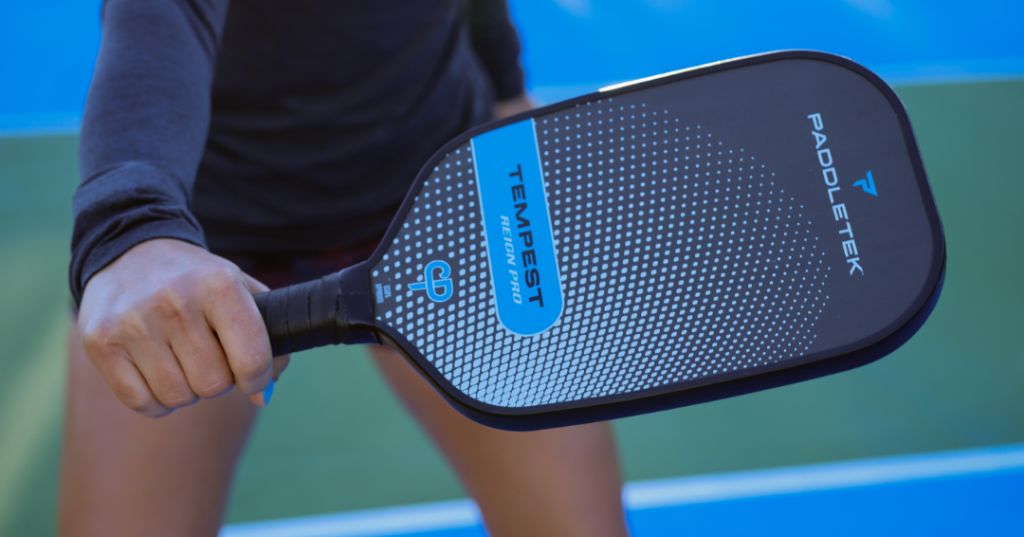
- Paddletek: Known for their high-quality graphite paddles, Paddletek offers a range of options suitable for all skill levels. Their unique technology, such as the ProPolyCore 2 with vibration dampening, enhances the performance and comfort of their paddles.
- Selkirk Sport: Selkirk Sport is known for their innovative design and use of materials in their graphite paddles. Their AMPED series, featuring a lightweight and powerful design, has gained recognition among players worldwide.
- Onix: Onix offers a variety of graphite paddles with different technologies, such as the Z5 Composite Paddle with its elongated shape for extended reach and the Outbreak Graphite Paddle with its focus on power and control.
These are just a few examples of the many graphite paddle brands and technologies available in the market. It’s important to try different paddles and find the one that suits your playing style and preferences best.
Comparing The Different Materials: Which Is Right For You?
When choosing a pickleball paddle, it’s important to consider the different materials used. Options include carbon fiber, aluminum, and wood, each with its own benefits and characteristics. Compare the materials to find the right paddle for you.
Analyzing The Performance Characteristics Of Each Material:
- Carbon Fiber:
- Lightweight and durable: Carbon fiber offers excellent strength-to-weight ratio, making it ideal for players seeking maneuverability and responsiveness.
- Enhanced power and control: The material’s stiffness allows for increased power and control on shots.
- Absorbent of vibrations: Carbon fiber paddles minimize the impact of ball vibrations, reducing strain on the player’s arm.
- Aluminum:
- Sturdy and long-lasting: Aluminum paddles are known for their durability and ability to withstand frequent use.
- Greater power: The heavier weight of aluminum paddles provides more power behind each shot, making them popular among players who favor aggressive playing styles.
- Less control: Aluminum paddles may sacrifice some control due to their weight, making them more suitable for players who prioritize power over finesse.
- Wood:
- Traditional feel and aesthetics: Wooden paddles offer a classic, nostalgic feel, which is pleasing to traditionalists.
- Soft touch and control: The natural flexibility of wood provides a softer touch on the ball, allowing for better control and finesse.
- Less power: Compared to carbon fiber or aluminum, wood paddles typically deliver less power, making them better suited for players with a strategic, finesse-based approach.
Factors To Consider When Choosing A Paddle Material:
- Style of play: Determine your preferred playing style, whether it’s aggressive or finesse-based. This will guide you in selecting a paddle material that aligns with your gameplay goals.
- Weight: Consider the weight of the paddle material and how it suits your strength and endurance. Lighter materials like carbon fiber are ideal for maneuverability, while heavier materials like aluminum offer more power.
- Comfort: Ensure that the material you choose absorbs vibrations well. This will minimize strain on your arm during gameplay and improve comfort.
- Durability: Evaluate the durability of the paddle material, taking into account the frequency of your play and your level of play. High-quality materials like carbon fiber and aluminum tend to be more durable and able to withstand faster-paced games.
- Budget: Your budget also plays a significant role in determining your paddle material. Carbon fiber paddles are usually more expensive, while aluminum and wood paddles offer more budget-friendly options.
Recommending The Best Paddle Material Based On Playing Style And Preferences:
- Aggressive Players: If you prefer an aggressive playing style that relies heavily on power and less on finesse, an aluminum paddle may be a suitable choice. The weight and increased power of aluminum paddles can provide the strength you need for aggressive shots.
- Finesse-Based Players: For players who prioritize control, finesse, and strategic gameplay, a carbon fiber or wood paddle may be a better fit. Carbon fiber paddles offer excellent maneuverability and control, while wood paddles provide a softer touch and enhanced finesse.
- All-Around Players: If you are a versatile player who enjoys a mix of power and finesse, carbon fiber paddles offer a balanced combination of maneuverability and control, making them a popular choice.
Remember, selecting the right paddle material is a personal choice that depends on your playing style, preferences, and budget. It’s essential to try out different paddles to find the one that suits you best.
Frequently Asked Questions For What Are Pickleball Paddles Made Of
What Is A Pickleball Paddle Made Off?
Pickleball paddles are commonly made of graphite, carbon fiber, fiberglass, wood, or hybrid materials. Material choice affects control and power in gameplay.
What Is The Difference Between Carbon Fiber And Fiberglass Pickleball Paddles?
Pickleball paddles can be made of carbon fiber or fiberglass, each offering different benefits.
Is There Really A Difference In Pickleball Paddles?
Pickleball paddles are made of graphite, carbon fiber, fiberglass, wood, or hybrid materials. The materials affect control and power during play.
Can A Pickleball Paddle Have A Rubber Surface?
A pickleball paddle can have a rubber surface, along with other materials like graphite, carbon fiber, fiberglass, or wood.
Conclusion
E right material for your pickleball paddle? The most common materials used for pickleball paddles are graphite, carbon fiber, fiberglass, and wood. Each material has its own benefits and drawbacks, so it’s important to choose the one that suits your playing style and preferences.
Graphite and carbon fiber paddles are known for their lightweight and durability, making them popular among competitive players. Fiberglass paddles offer a good balance between power and control. Wood paddles, on the other hand, are favored by recreational players for their affordability and traditional feel.
Hybrid options are also available, combining different materials to provide the best of both worlds. Ultimately, the material you choose will greatly impact your performance on the pickleball court. So, take the time to consider your playing style, skill level, and personal preferences before investing in a pickleball paddle.
Happy playing!