


To sanction a pickleball tournament, you need to follow the guidelines set by the governing body of the sport. This typically involves filling out an application, paying a sanctioning fee, and ensuring that the tournament meets the necessary requirements for player eligibility and tournament format.
Why Officially Sanctioning A Pickleball Tournament Matters
Sanctioning a pickleball tournament is crucial as it adds legitimacy, attracts top players, and ensures fair competition. Learn the process of how to sanction a pickleball tournament to elevate its reputation and make it an official event in the sport.
Sanctioning a pickleball tournament brings numerous benefits and adds value to the event. In this section, we will explore why official tournament sanctioning is crucial for enhancing credibility and prestige, gaining access to official rules and regulations, and attracting top-level players.
Enhancing Credibility And Prestige:
- Official tournament sanctioning lends credibility to the event and assures participants, spectators, and sponsors of its legitimacy.
- The tournament becomes recognized as part of the official pickleball circuit, increasing its prestige among the pickleball community.
- Sanctioning provides external validation, demonstrating that the event meets specific standards set by the governing body.
Access To Official Rules And Regulations:
- Sanctioned tournaments gain access to the official rules and regulations outlined by the governing body.
- This ensures a standardized playing experience for all participants and eliminates any ambiguity or inconsistencies in game play.
- By adhering to official rules, the tournament fosters fairness and professionalism, enhancing the overall quality of the competition.
Attracting Top-Level Players:
- Sanctioned tournaments have a higher chance of attracting top-level players due to their official status.
- These players often prioritize participating in sanctioned events as they contribute towards their ranking and provide valuable competitive experience.
- The presence of elite players elevates the overall level of competition and creates a more exciting and engaging tournament for participants and spectators alike.
Officially sanctioning a pickleball tournament significantly enhances its credibility and prestige, provides access to official rules and regulations, and attracts top-level players. These factors collectively contribute to creating a more competitive and reputable event within the pickleball community.
Step-By-Step Process To Sanction A Pickleball Tournament
Learn the step-by-step process to sanction a pickleball tournament in this comprehensive guide. From securing a venue to setting up registration and organizing matches, you’ll discover all the necessary steps to successfully sanction your own tournament.
Sanctioning a pickleball tournament involves a few key steps to ensure that the event meets the necessary requirements and operates under the guidance of governing bodies. Here is a concise breakdown of the process:
Researching The Governing Bodies:
- Identify the relevant governing bodies: Research and identify the pickleball governing bodies associated with the region or country where you plan to host the tournament.
- Determine eligibility criteria: Understand the eligibility requirements and guidelines set forth by the governing bodies for tournament sanctioning.
- Familiarize yourself with rules and regulations: Review the rules and regulations established by the governing bodies to ensure compliance during the tournament.
Meeting Eligibility Requirements:
- Player membership: Check if the governing bodies require participants to be members of their organization and provide the necessary membership details.
- Tournament format: Confirm if there are any specific format requirements, such as age divisions, skill levels, or team compositions.
- Certification of officials: Determine if the tournament requires certified officials and ensure they meet the necessary qualifications.
Completing The Sanctioning Application:
- Obtain the application form: Contact the pickleball governing bodies to obtain the official sanctioning application form.
- Provide accurate information: Fill out the application form with accurate details about the tournament, including dates, location, entry fees, prizes, and any special considerations.
- Submit supporting documents: Include any required supporting documents, such as liability insurance, court availability, or equipment specifications.
- Review and double-check: Take the time to thoroughly review the completed application form and supporting documents for accuracy before submission.
Paying The Necessary Fees:
- Determine the sanctioning fees: Find out the applicable fees for sanctioning the tournament and any additional charges for specific services or support.
- Arrange for payment: Make arrangements to pay the required fees in the designated manner specified by the governing bodies. This may involve online transactions, electronic transfer, or other forms of payment.
- Retain proof of payment: Keep a record of the payment confirmation or receipt as proof of payment for future reference.
By following these step-by-step processes, you can effectively sanction your pickleball tournament, ensuring compliance with governing body requirements and enhancing the credibility and appeal of your event.
Understanding The Sanctioning Requirements
Understanding the sanctioning requirements for a pickleball tournament involves careful adherence to guidelines and regulations. From player eligibility to court specifications, event organizers must navigate a comprehensive process to ensure a successful and sanctioned event.
When organizing a pickleball tournament, it is crucial to understand the sanctioning requirements to ensure a successful event. To help you navigate this process, we will discuss the key aspects that need to be considered: venue specifications and court setup, equipment standards and guidelines, and referee and officiating requirements.
Venue Specifications And Court Setup:
- The venue should have enough space to accommodate multiple pickleball courts.
- The playing area must be level and free from any obstructions that could hinder gameplay.
- Each court should have a minimum dimension of 20 feet wide and 44 feet long.
- High-quality, non-slip flooring is recommended to ensure player safety.
- Installing boundary lines around the court is essential for clear demarcation.
Equipment Standards And Guidelines:
- The pickleball tournament must adhere to the official equipment standards set by the governing bodies.
- The court should have nets with the correct height of 34 inches at the center and 36 inches at the end posts.
- The net should be securely fastened and at an appropriate tension.
- Players must use approved pickleball paddles, which should meet the specified dimensions and materials.
- Approved pickleballs must be used, which should have appropriate bounce and durability.
Referee And Officiating Requirements:
- The tournament should have qualified referees to ensure fair play and adherence to the rules.
- Referees need to have a thorough understanding of the game rules and be able to enforce them effectively.
- It is essential to determine the number of referees required, depending on the size and level of the tournament.
- Referees should have access to necessary equipment such as whistles, scoreboards, and timers.
- Clear communication channels between referees, players, and event organizers should be established.
By understanding these sanctioning requirements, you can create an optimal environment for competitive pickleball tournaments. Following these guidelines will not only ensure a smooth and fair event but also enhance the overall experience for players and spectators alike. Remember to consult the official guidelines and governing bodies for specific requirements and updates to stay up-to-date with the ever-evolving sport of pickleball.
Promoting And Marketing A Sanctioned Pickleball Tournament
Sanctioning a pickleball tournament involves following a specific set of guidelines to promote and market the event effectively. From organizing a committee to securing a venue and implementing a registration process, careful planning is key to a successful tournament. By adhering to these steps, players and spectators can enjoy a competitive and exciting competition.
Leveraging social media platforms:
- Social media platforms offer an excellent opportunity to promote and market your sanctioned pickleball tournament effectively. Utilize platforms like Facebook, Instagram, and Twitter to create a buzz and reach a wider audience.
- Consistently post engaging content that highlights the unique aspects of your tournament, such as top players participating, exciting match-ups, and attractive incentives.
- Encourage participants and fans to share your posts and create a sense of community around the event.
- Invest in targeted advertising on social media platforms to reach potential players in specific geographical areas or those interested in pickleball.
Collaborating with local organizations:
- Forge partnerships with local organizations that have an interest in pickleball or sports events. This collaboration can be mutually beneficial in terms of exposure and resources.
- Approach local sports clubs, community centers, and recreation departments to discuss potential collaborations. They may provide facilities, equipment, or help spread the word about your tournament to their members.
- Align with local pickleball or sports-related groups, such as pickleball leagues or associations, to tap into their existing networks and increase participation.
- Consider hosting joint events or offering discounts to members of collaborating organizations to further incentivize registration.
Offering attractive player incentives:
- Providing attractive incentives can significantly enhance participation and make your sanctioned pickleball tournament more appealing.
- Offer cash prizes for winners in various categories, with higher rewards for the professionals or elite players.
- Consider providing free or discounted registration fees for early bird sign-ups or offering referral incentives to participants who refer others to register.
- Create a unique player experience by offering customized player gear, such as branded t-shirts or equipment.
- Ensure the overall tournament experience is enjoyable and well-organized, with comfortable facilities, quality officiating, and a range of amenities and services for players.
Remember, promoting and marketing a sanctioned pickleball tournament requires strategic planning and creative approaches. By leveraging social media platforms, collaborating with local organizations, and offering attractive player incentives, you can significantly increase participation and make your tournament a resounding success.
Ensuring A Smooth Tournament Operations
Sanctioning a pickleball tournament involves meticulous planning and organization to ensure smooth operations. From coordinating registration and scheduling matches to enforcing rules and supervising facilities, every detail must be carefully managed to create a successful event.
A well-organized pickleball tournament requires meticulous planning and efficient execution to ensure the smooth running of operations. From player registration and check-in to tournament bracket and schedule organization, and handling on-site logistics and emergencies, every aspect must be carefully managed.
Let’s dive into each area to understand the key elements of ensuring a successful tournament.
Player Registration And Check-In Process:
- Timely registration: Encourage players to register well in advance to avoid last-minute chaos.
- Clear communication: Provide detailed instructions regarding registration requirements, deadlines, and any additional documents.
- Efficient check-in: Set up designated check-in stations with volunteers or staff to verify player details and distribute necessary items.
- Smooth payment process: Offer different payment options (online, cash, or card) to facilitate quick and easy transactions.
Tournament Bracket And Schedule Organization:
- Thoughtful seeding: Use player rankings or random drawing to create balanced brackets and ensure fair competition.
- Clear schedule communication: Provide participants with concise information about match timings, locations, and any changes well in advance.
- Efficient match management: Assign court monitors or referees to oversee matches, track scores, and resolve disputes promptly.
- Flexible scheduling: Plan for unforeseen circumstances by allowing for buffer times between matches or incorporating rain delay provisions.
Handling On-Site Logistics And Emergencies:
- Adequate facilities: Arrange for sufficient restrooms, seating areas, and refreshment stands to cater to the needs of players and spectators.
- Safety measures: Ensure the availability of first aid kits and trained medical personnel on-site for prompt attention to any injuries or emergencies.
- Equipment management: Have backup paddles, balls, and nets readily available to address any equipment failures during matches.
- Communication channels: Establish a clear communication system, such as walkie-talkies or phone lines, to coordinate with staff, volunteers, and emergency services if needed.
By focusing on player registration and check-in, tournament bracket and schedule organization, as well as on-site logistics and emergencies, you can create a seamless experience for participants while ensuring the successful execution of your pickleball tournament.
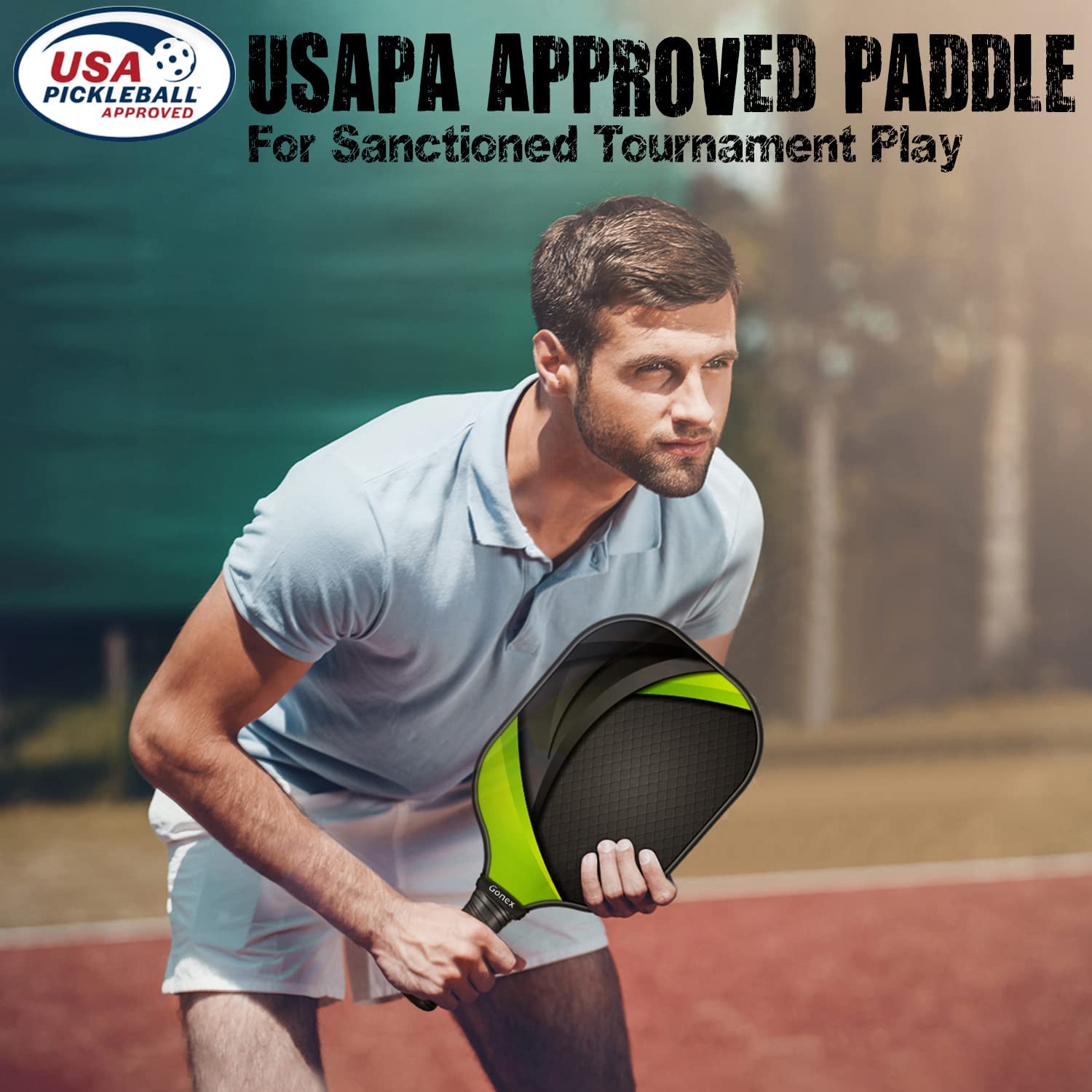
Credit: www.gonexsport.com
Adhering To Anti-Doping Policies
Sanctioning a pickleball tournament involves ensuring strict adherence to anti-doping policies, to maintain a level playing field and promote fair competition.
Pickleball tournaments are a fantastic way to showcase your skills and compete against others. However, it is important to ensure that these tournaments are conducted in a fair and ethical manner. Adhering to anti-doping policies is a crucial aspect of organizing a pickleball tournament.
In this section, we will explore how tournament organizers educate participants on banned substances, conduct drug testing procedures, and address violations and consequences.
Educating Participants On Banned Substances:
- Detailed information sessions are conducted prior to the tournament to educate participants about the banned substances and their potential impact on performance.
- Participants are provided with a comprehensive list of prohibited substances, including both common and lesser-known ones.
- Educational materials, such as brochures and posters, are made available to participants to reinforce their understanding of the anti-doping policies.
- Regular communication channels, including email newsletters and social media updates, are utilized to remind participants about the importance of adhering to the policies.
- Participants are encouraged to seek clarification from tournament officials if they have any doubts or questions regarding banned substances.
Conducting Drug Testing Procedures:
- Random drug tests are conducted throughout the tournament to ensure a level playing field for all participants.
- Experienced drug testing officials are appointed to carry out these tests in a professional and confidential manner.
- Participants are selected for drug testing through a computer-generated randomization process to eliminate bias.
- Urine samples are collected from selected participants and tested using state-of-the-art equipment to detect any prohibited substances.
- The collected samples are handled with strict confidentiality and are processed in accredited laboratories to ensure accurate and reliable results.
Addressing Violations And Consequences:
- In the event that a participant tests positive for a banned substance, a thorough investigation is conducted to verify the results.
- If the violation is confirmed, the participant is notified of the consequences, which may include disqualification from the tournament and suspension from future events.
- The participant is given an opportunity to present their case, and a fair and unbiased decision is made based on the evidence presented.
- Violations are reported to relevant governing bodies and disciplinary actions are implemented according to their regulations.
- The tournament organizers emphasize the importance of integrity and fair play, ensuring that all participants are held accountable for their actions.
By adhering to anti-doping policies, tournament organizers aim to create a competitive and fair environment for all participants. Through education, drug testing, and the enforcement of consequences, the integrity and spirit of pickleball tournaments are upheld, allowing athletes to compete with confidence and pride.
Remember, we are committed to maintaining the highest standards of sportsmanship in all aspects of the game.
Evaluating Post-Tournament Feedback And Impact
Sanctioning a pickleball tournament involves evaluating post-tournament feedback and assessing its impact on participants. This process helps organizers improve future events and ensure a positive experience for players.
Collecting Participant Feedback And Suggestions
- Gathering feedback and suggestions from participants is crucial in evaluating the success of a pickleball tournament. Here are some effective methods to collect this valuable input:
- Utilize online surveys: Create a simple and user-friendly online survey to collect feedback from participants. Ensure the survey covers topics such as organization, facilities, scheduling, and overall experience.
- Encourage open communication: Provide participants with an opportunity to express their feedback and suggestions throughout the tournament. Allocate designated areas or suggestion boxes where participants can submit their thoughts.
- Engage in post-tournament interviews: Conduct interviews with participants, either in person or through virtual platforms, to gain more detailed insights into their experiences. Encourage candid responses and ask specific questions tailored to different aspects of the tournament.
- Leverage social media platforms: Utilize social media platforms to encourage participants to share their feedback and suggestions. Create designated hashtags or discussion threads to facilitate conversation among participants.
- Establish an email feedback channel: Set up an email address to receive participant feedback and suggestions. Ensure prompt responses are provided and acknowledge the feedback received.
Analyzing Tournament Performance And Attendance
- Properly evaluating the tournament’s performance and analyzing attendance figures can provide valuable insights for future improvements. Here are some key aspects to consider in this analysis:
- Assess overall attendance: Calculate the total number of participants, spectators, and volunteers involved in the tournament. This information will help gauge the event’s overall popularity and appeal.
- Review participant feedback: Analyze the feedback collected from participants to identify any recurring issues or areas that require improvement. Look for patterns and common themes to focus on during the evaluation process.
- Evaluate tournament logistics: Assess how well the tournament’s logistics were executed, including factors such as court management, scheduling, registration process, and facility conditions. Identify any areas that experienced challenges or received negative feedback.
- Measure overall satisfaction: Determine the level of satisfaction expressed by participants, considering both qualitative feedback and quantitative data. This can include ratings, rankings, and testimonials from players and attendees.
- Monitor media coverage: Analyze the extent of media coverage received by the tournament, including newspaper articles, online mentions, and social media engagement. This can help gauge the event’s visibility and reputation within the pickleball community.
Addressing Areas Of Improvement For Future Tournaments
- To ensure future tournaments are even more successful, it is crucial to address areas that require improvement. Here are some strategies to consider:
- Prioritize participant feedback: Take participant feedback into serious consideration when planning future tournaments. Address any recurring issues or suggestions by implementing necessary changes.
- Enhance event organization: Review the overall organization of the tournament and identify areas that can be streamlined or improved. This can include better scheduling, improved communication, or enhanced registration processes.
- Strengthen facilities and amenities: Evaluate the quality of facilities and amenities provided during the tournament. Identify any areas that need upgrades or adjustments to enhance participant experiences.
- Foster player development: Consider incorporating additional opportunities for player development, such as clinics, workshops, or coaching sessions. This can attract a wider range of participants and contribute to the growth of the sport.
- Enhance marketing efforts: Review the tournament’s marketing strategy and identify areas for improvement. Explore new channels and approaches to reach a wider audience and attract more participants.
- Establish partnerships: Seek partnerships with local businesses, organizations, or sponsors to enhance the tournament experience. This can include sponsorship opportunities, prize collaborations, or access to better facilities.
By collecting participant feedback, analyzing tournament performance, and addressing areas of improvement, tournament organizers can ensure that every edition of the pickleball tournament surpasses expectations. This ongoing evaluation process allows for continuous growth, enhancing the overall experience for participants and shaping the future success of the event.
Frequently Asked Questions Of How Do You Sanction A Pickleball Tournament
How Do You Sanction A Pickleball Tournament?
To sanction a pickleball tournament, you need to follow a few steps. First, determine the date, location, and format of the tournament. Next, obtain the necessary permits and insurance. Then, advertise the tournament and accept registrations. Finally, create a tournament schedule and ensure you have all the necessary equipment and officials in place.
By following these steps, you can effectively sanction a pickleball tournament.
Conclusion
To conclude, sanctioning a pickleball tournament involves a series of crucial steps that ensure fairness, organization, and a great overall experience for participants. From selecting the right venue and establishing clear rules, to securing necessary permits and promoting the event, organizers play a vital role in making the tournament a success.
Collaborating with local authorities and obtaining sponsorship can also enhance the quality and reach of the tournament. Moreover, effective communication, through online platforms and social media, helps draw in more players and spectators. By following these guidelines and prioritizing player safety, pickleball tournaments can continue to grow in popularity and establish themselves as exciting and competitive events.
So, whether you’re a player looking to participate or an organizer wanting to host an event, understanding the sanctioning process is essential. Start planning your next pickleball tournament and make it one to remember!


