


To get on a pickleball team, you need to showcase your skills and actively participate in local pickleball communities or clubs. Joining a local pickleball group and attending tournaments or social events can increase your chances of getting noticed by team captains or other players looking for teammates.
Engaging with the pickleball community, practicing regularly, and demonstrating good sportsmanship can also help you establish connections and increase your opportunities to get on a team.
What Is Pickleball?
Looking to join a pickleball team? Discover how to find and get on a pickleball team to further your skills and enjoy the fun and competitive spirit of the sport.
Brief Introduction To Pickleball As A Sport
Pickleball is a fast-growing and highly popular sport that combines elements of tennis, badminton, and ping pong. It is played on a smaller court with a lower net, making it easier for players of all ages and skill levels to participate.
If you’re looking to join a pickleball team, it’s important to understand the basics of the sport, including the rules and equipment required.
Explanation Of The Rules And Equipment Required
To get on a pickleball team, you need to familiarize yourself with the rules and have the necessary equipment. Here’s a breakdown of what you need to know:
- Court and Net: Pickleball is played on a court similar in size to a doubles badminton court. The net is set at a height of 34 inches in the center and 36 inches on the sidelines.
- Paddle: Pickleball is played with a solid paddle made of wood, graphite, or composite materials. Paddles come in a variety of shapes and sizes, so choose one that feels comfortable in your hand and suits your playing style.
- Ball: Pickleball is played with a plastic ball that has holes in it, similar to a wiffle ball. The ball’s size and weight are regulated to ensure fair play.
- Serving: The serve must be made underhand and diagonally cross-court. Each team gets one opportunity to serve before it goes to the opposing team.
- Scoring: Points are scored only by the serving team. Games are typically played to 11 or 15 points, and a two-point advantage is usually required to win.
- Double Bounce Rule: After the ball is served, each team must let it bounce once on their side before hitting it. Once the ball has bounced, players can either hit it in the air or let it bounce again before returning.
- Non-Volley Zone: There is a 7-foot non-volley zone on both sides of the net, which prohibits players from hitting the ball out of the air while inside this zone.
- Rotation: In doubles play, players rotate positions each time their team gains the serve.
By understanding these rules and having the necessary equipment, you’ll be well-prepared to get on a pickleball team and enjoy this exciting sport with others who share your enthusiasm.
Benefits Of Joining A Pickleball Team
Get on a pickleball team and experience the benefits of joining a group of like-minded individuals. Improve your skills, build camaraderie, and enjoy the social aspect of playing this popular sport.
Importance Of Playing In A Team Setting:
Joining a pickleball team is a fantastic way to experience the thrill of the game while enjoying the benefits of a supportive community. Playing in a team setting not only enhances your pickleball journey but also offers a myriad of advantages.
Take a look at the importance of playing in a team setting:
- Skill development: Collaborating with fellow teammates allows you to hone your skills as you learn from their experience and expertise. The opportunity to observe and receive feedback from skilled players can accelerate your own progress on the court.
- Motivation and inspiration: Being part of a team creates a sense of camaraderie, pushing you to strive for excellence. The constant support and encouragement from teammates act as a driving force, inspiring you to give your best and continually improve.
- Enhanced strategy and tactics: Working together with teammates fosters better understanding and implementation of strategic moves and tactics. Collaborating during practice sessions and matches helps you develop a deeper understanding of the game, leading to more efficient teamwork and increased chances of winning.
- Increased game opportunities: Joining a team opens up a world of opportunities to participate in tournaments, leagues, and friendly matches. These events allow you to test your skills against different opponents and gain valuable experience, contributing to your growth as a pickleball player.
- Social connections and friendships: Playing on a pickleball team not only provides wonderful opportunities to interact and socialize with like-minded individuals but also helps forge long-lasting friendships. The bonds formed on the court often extend beyond the game, creating a supportive network of friends who share your passion for the sport.
Advantages Of Learning From Experienced Teammates:
An essential aspect of being part of a pickleball team is the opportunity to learn from experienced teammates. The valuable insights and knowledge they possess can significantly benefit your game. Here are some advantages of learning from experienced pickleball players:
- Mentorship and guidance: Experienced teammates can act as mentors, guiding you through the ins and outs of the game. Their wealth of knowledge and expertise can help you navigate pickleball with more confidence and efficiency.
- Tips and tricks: Seasoned players have likely discovered various techniques and strategies that can greatly improve your performance. Their willingness to share tips and tricks can help you elevate your game and overcome challenges more effectively.
- Confidence boost: Learning from experienced teammates allows you to observe their poise and confidence on the court. By witnessing their composed approach, you can gain inspiration and develop your own self-assurance, leading to better gameplay and decision-making.
- Exposure to advanced gameplay: Playing alongside experienced players gives you the opportunity to witness advanced gameplay firsthand. Their skillful execution of shots, positioning, and game management can expose you to new techniques, allowing you to broaden your repertoire and further develop your own style of play.
- Building a competitive mindset: Being surrounded by seasoned players can help cultivate a competitive mindset within yourself. Their determination, discipline, and focus act as motivation, encouraging you to set higher goals and push your limits, ultimately leading to continuous improvement.
By joining a pickleball team and learning from experienced teammates, you not only enhance your skills, but also gain valuable insights, inspiration, and a supportive network that contributes to long-term personal growth and enjoyment of the sport.
Assessing Your Skills And Readiness
Assess your skills and readiness to increase your chances of joining a pickleball team. Evaluate your strengths, weaknesses, and commitment level to ensure a smooth transition into the team environment.
Are you eager to become a part of a pickleball team, but unsure if you’re ready? Evaluating your current pickleball skills and determining your commitment level and availability are essential steps to take before joining a team. Let’s break it down:
Evaluating Your Current Pickleball Skills:
- Assess your knowledge of the game rules, including scoring, serving, and basic shots.
Explanation: It’s important to have a good understanding of the game’s fundamentals before joining a pickleball team.
- Evaluate your skill level in executing various shots such as dinks, volleys, and overhead smashes:
- Dinks: Evaluate your ability to perform controlled and soft shots over the net, placing emphasis on accuracy.
- Volleys: Assess your proficiency in hitting volleys, which require quick reflexes and hand-eye coordination.
- Overhead smashes: Determine your skill in executing powerful and accurate smashes when the ball is high.
- Consider your court positioning and strategy:
- Evaluate your understanding of court positioning and being aware of the best spots to be during different situations.
- Assess your ability to anticipate your opponents’ shots and make strategic decisions during the game.
- Reflect on your consistency and control:
- Evaluate your ability to consistently hit shots where you intend them to go, with control over power and placement.
- Assess how well you can handle pressure situations and maintain focus during intense gameplay.
Determining Your Commitment Level And Availability:
- Reflect on your time availability:
Explanation: Assessing your commitment level and availability is crucial for being an effective team member.
- Evaluate how much time you can dedicate to practicing pickleball and attending team events, such as tournaments and matches.
Explanation: Being part of a team entails regular practice sessions and commitment to scheduled events.
- Consider your availability during weekdays and weekends, as well as any potential conflicting commitments.
Explanation: It’s important to gauge whether you can accommodate the time requirements of being on a pickleball team.
- Reflect on your commitment to improving your skills:
- Assess your willingness to invest time and effort in practicing outside of team sessions.
- Determine your eagerness to learn and improve from feedback given by more experienced players and coaches.
- Consider your willingness to collaborate and be a team player:
- Evaluate your ability to work well with others and contribute positively to team dynamics.
- Reflect on your desire to support and encourage team members during practices and competitions.
Remember, being part of a pickleball team requires a certain level of skill and dedication. By evaluating your current pickleball skills and determining your commitment level and availability, you can decide if joining a team is the right step for you.
Finding The Right Team And League
Getting on a pickleball team is all about finding the right league and team that matches your skills and interests. With some research and networking, you can join a team that will provide you with a fun and competitive experience.
Researching Local Pickleball Clubs And Leagues:
- When it comes to finding the right pickleball team and league, it’s essential to start by researching the local clubs and leagues in your area. Here are some steps you can follow:
- Conduct an online search: Begin by searching for pickleball clubs and leagues in your city or town. Look for websites or online directories that provide information about local clubs and leagues.
- Ask for recommendations: Reach out to friends, family members, or coworkers who play pickleball. They may have suggestions or tips on where to find the best clubs and leagues in your area.
- Visit local community centers or sports facilities: Check if there are any community centers, gyms, or sports facilities near you that offer pickleball programs. They may have leagues or teams you can join.
- Attend pickleball events or tournaments: Look for upcoming pickleball events or tournaments in your area. This will not only give you the opportunity to watch experienced players but also to connect with other players and learn about local clubs and leagues.
- Join online forums or groups: Engage with the pickleball community by joining online forums or social media groups dedicated to the sport. These platforms can be a great resource for finding local clubs and leagues.
Understanding The Different Levels Of Competition:
- To ensure you find the right team and league, it’s crucial to understand the different levels of competition in pickleball. Here are some key aspects to consider:
- Beginner level: If you’re new to pickleball or have limited experience, look for leagues or teams specifically designed for beginners. These often offer coaching or clinics to help you develop your skills and improve your game.
- Intermediate level: If you have some experience playing pickleball and are looking for more competitive play, consider joining an intermediate-level league. These leagues typically attract players who have a good understanding of the game and can handle more challenging gameplay.
- Advanced level: If you’re an experienced player and want to compete at a higher level, look for advanced-level leagues or tournaments. These are ideal for players who are proficient in all aspects of the game and are seeking intense competition.
- Mix and match leagues: Some leagues offer different divisions or levels within their structure. This setup allows players of various skill levels to participate, ensuring a more balanced and enjoyable playing experience for everyone.
- Review league rules and guidelines: Before joining a team or league, make sure to review their rules and guidelines. This will give you a better understanding of their expectations, match formats, and any specific requirements.
By researching local pickleball clubs and leagues and understanding the different levels of competition, you’ll be well on your way to finding the right team and league that suits your skill level and playing preferences.
Reaching Out To Team Captains And Members
To get on a pickleball team, reach out to team captains and members directly. Connect with them through local clubs, community centers, or online platforms to express your interest and inquire about joining their team.
Networking with pickleball players in your area:
- Join local pickleball clubs: Find out if there are any pickleball clubs in your area and become a member. This will provide you with an opportunity to connect with other players and potentially get on a team. Attend their events and get to know the team captains and members.
- Participate in tournaments: Tournaments attract skilled pickleball players from different teams. By participating in these tournaments, you can showcase your skills and make connections with team captains and members who may be looking for new players.
- Attend pickleball clinics and workshops: Pickleball clinics and workshops are not only a great way to improve your skills, but also to meet other passionate players. These events often attract seasoned players who may also be team captains or members.
- Utilize social media platforms: Look for pickleball-related groups on social media platforms such as Facebook or Meetup. Join these groups and engage with the members by asking questions, sharing your experiences, and expressing your interest in joining a team.
- Volunteer at pickleball events: Offering your assistance at pickleball events can be a fantastic way to get to know team captains and members. By volunteering, you’ll build relationships with fellow players who can potentially connect you with team opportunities.
- Organize your own open play sessions: Take the initiative and organize open play sessions at local courts or facilities. By doing so, you can attract other pickleball players in your area, including team captains and members.
Remember, the key is to be proactive and make connections with other players in order to increase your chances of getting on a pickleball team. Good luck!
Preparing Physically And Mentally
To get on a pickleball team, it’s important to prepare physically and mentally. This involves honing your skills through practice, focusing on your mindset, and being ready for the challenges of competitive play.
Engaging In Regular Practice And Workouts:
To increase your chances of making it onto a pickleball team, it’s crucial to prepare both physically and mentally. Engaging in regular practice and workouts will not only enhance your skills but also improve your overall performance on the court.
Here are some tips to help you get started:
- Practice your pickleball skills: Dedicate time to practicing your pickleball skills regularly. Focus on improving your shot accuracy, ball control, and footwork. Participating in drills and playing practice matches will help you hone your skills and build confidence.
- Include cardio exercises in your workout routine: Pickleball can be an intense and fast-paced sport, so it’s essential to have good endurance. Incorporate cardio exercises into your workout routine to increase your stamina. Activities like running, cycling, or swimming will improve your cardiovascular fitness, enabling you to play longer without getting tired.
- Strength training for power and stability: Strengthening your muscles will give you more power and stability on the court. Include exercises like squats, lunges, planks, and resistance training to build your leg and core muscles. This will improve your agility, balance, and ability to generate power in your shots.
- Flexibility exercises for mobility: Pickleball requires significant movements and quick changes in direction. To avoid injuries and improve your performance, incorporate flexibility exercises into your routine. Stretching exercises for your hips, shoulders, and hamstrings will increase your mobility and range of motion.
- Rest and recovery: Allow your body time to rest and recover after intense workouts or practice sessions. Overtraining can lead to fatigue and injuries, impacting your ability to perform at your best. Get enough sleep, eat a balanced diet, and listen to your body’s signals for adequate recovery.
Preparing physically through regular practice and workouts will not only enhance your skills but also boost your confidence and performance on the pickleball court. Remember to maintain discipline and consistency in your training to see continual progress.
Showcasing Your Skills During Tryouts
Showcasing your skills during tryouts is crucial for getting on a pickleball team. Highlight your strengths, demonstrate good sportsmanship, and communicate effectively to impress the team selectors and increase your chances of making the cut.
At tryouts, it’s crucial to showcase your skills and make a lasting impression on the pickleball team. Here are some strategies to help highlight your strengths and areas for improvement:
Highlighting Your Strengths And Areas For Improvement
- Display your technical skills: Demonstrate your proficiency in various pickleball techniques such as serving, volleying, and smashing. Showcase your ability to execute accurate shots with precision.
- Showcase your strategic thinking: Illustrate your understanding of game tactics, such as positioning yourself strategically on the court, anticipating your opponents’ moves, and making effective shot selections.
- Display good sportsmanship: Show respect for your teammates, opponents, and officials. Displaying a positive attitude and good sportsmanship can leave a lasting impression on the team.
- Exhibit teamwork and communication: Emphasize your ability to collaborate effectively with partners and communicate clearly on the court. Demonstrate your capability to work as a cohesive unit within a team setting.
- Demonstrate adaptability and problem-solving skills: Show your ability to adjust your game plan based on various situations and opponents. Highlight your capacity to quickly analyze and respond to changing circumstances during gameplay.
- Identify areas for improvement: Acknowledge your weaknesses and areas that need further development. Showing a willingness to work on these aspects demonstrates a growth mindset and commitment to improving your skills.
Understanding the evaluation criteria used by teams is essential to impressing them during tryouts:
Evaluation Criteria Used By Teams:
- Skill level and technique proficiency: Teams evaluate players based on their technical skills, including shot accuracy, consistency, and execution.
- Game strategy and decision-making: Teams assess players’ ability to make tactical decisions, anticipate opponents’ moves, and adapt their gameplay accordingly.
- Physical fitness and athleticism: Teams look for players who possess good agility, speed, and stamina, as pickleball can be a physically demanding sport.
- Teamwork and communication: Being able to work well with teammates and effectively communicate on the court is a crucial aspect of playing on a pickleball team.
- Attitude and sportsmanship: Teams value players who exhibit a positive attitude, good sportsmanship, and a willingness to learn and grow within a team environment.
- Coachability and willingness to improve: Demonstrating a willingness to receive feedback and make necessary adjustments is highly regarded by teams.
By understanding the criteria teams use to evaluate players and showcasing your skills effectively during tryouts, you increase your chances of getting selected for a pickleball team. Remember to highlight your strengths, be open to feedback, and display good sportsmanship throughout the process.
Building Rapport With Team Members And Coaches
To get on a pickleball team, it’s important to build rapport with your team members and coaches. Establish open communication, show commitment, and contribute actively to the team’s success.
Building rapport with your team members and coaches is crucial to not only getting on a pickleball team but also for creating a positive and supportive team environment. When you have good rapport with your teammates and coaches, it can greatly enhance your overall performance and enjoyment of the game.
Here are some ways to build rapport with them:
Communicating Effectively During Tryouts:
- Be attentive and listen: Pay attention to instructions and feedback from coaches during tryouts. Listening shows respect and demonstrates your willingness to learn and improve.
- Ask questions: If you have any doubts or need clarification about a drill or technique, don’t hesitate to ask for guidance. This shows your interest in understanding and following instructions.
- Be open and receptive: Accept constructive criticism with an open mind and show that you are willing to make adjustments based on feedback. This demonstrates your coachability and commitment to learning.
- Encourage and support others: During tryouts, encourage and cheer on your fellow players. This fosters a positive and supportive atmosphere, and shows your teammates that you are a team player.
- Express appreciation: Show gratitude towards your coaches and teammates for their guidance, support, and encouragement. Thank them for their time and effort, and acknowledge their contributions to the team.
Demonstrating Good Sportsmanship And Teamwork:
- Be respectful: Treat your teammates, coaches, and opponents with respect both on and off the court. This includes using appropriate language, showing good manners, and valuing others’ opinions and perspectives.
- Be reliable and committed: Show up on time for practices, games, and team meetings. Consistency and dedication demonstrate your commitment to the team and make you a reliable teammate.
- Communicate effectively: Use clear and concise communication on the court. Share information, such as calling out shots or letting your teammates know where you are on the court, to avoid confusion and promote teamwork.
- Celebrate victories and accept losses gracefully: Whether your team wins or loses, maintain a positive attitude. Celebrate successes together and offer support to your teammates in defeat. Remember that good sportsmanship is about respecting both victory and defeat.
- Be a team player: Support your teammates by celebrating their successes and offering encouragement during challenges. Show enthusiasm and demonstrate your willingness to cooperate and collaborate with others.
Building rapport with your team members and coaches is an ongoing process that requires effort from everyone. By communicating effectively during tryouts and demonstrating good sportsmanship and teamwork, you can create strong relationships that contribute to a successful pickleball team experience.
Continuously Improving Your Pickleball Skills
Improve your pickleball skills and increase your chances of joining a pickleball team by practicing regularly, attending training sessions, and seeking guidance from experienced players. Enhance your technique, strategy, and teamwork to stand out and impress selectors.
Whether you’re a novice or an experienced player, continuously improving your pickleball skills is essential to getting on a pickleball team. Engaging in structured training and drills, as well as seeking guidance from experienced players and coaches, can help you elevate your game to the next level.
Here are some ways to enhance your skills:
Engaging In Structured Training And Drills:
- Take part in pickleball clinics: Attending clinics led by experienced pickleball players and coaches can provide valuable insights and training techniques.
- Practice regularly: Consistent practice is key to improving your skills. Set aside dedicated time for pickleball practice, focusing on different aspects of the game such as serving, forehand and backhand shots, volleys, and dinking.
- Work on specific techniques: Identify areas where you need improvement, such as your footwork, shot placement, or consistency, and focus on specific drills that target those aspects.
- Utilize practice aids: Incorporate practice aids like ball machines, target nets, or practice partners that can help simulate game-like scenarios and enhance your skill development.
Seeking Guidance From Experienced Players And Coaches:
- Play with experienced players: Engaging in friendly matches with skilled pickleball players can expose you to different playing styles and strategies. Observing their techniques and tactics can help you learn and improve your own game.
- Join a local pickleball club or league: Being part of a pickleball club or league can provide opportunities to play with more experienced players and receive guidance and feedback.
- Take lessons from coaches: Enlisting the help of a pickleball coach can speed up your learning process. They can analyze your game, identify areas for improvement, and provide personalized training sessions to address those weaknesses.
By continuously improving your pickleball skills through structured training and drills, as well as seeking guidance from experienced players and coaches, you can increase your chances of getting on a pickleball team. Remember, practice and dedication are key to becoming a proficient player in this exciting and fast-growing sport.
The Importance Of Teamwork And Communication
To get on a pickleball team, it’s important to understand the significance of teamwork and communication. Effective collaboration and clear communication are essential for coordinating strategies, making quick decisions, and achieving success on the court. By fostering these skills, you can enhance your chances of becoming a valuable member of a pickleball team.
Understanding Your Role Within The Team Dynamics
In order to successfully join a pickleball team, it’s essential to understand your role within the team dynamics. Here are some key points to consider:
- Positioning on the court: Each player on a pickleball team has a specific position and responsibility. Understanding where you need to be on the court and what role you have within the team’s strategy is crucial for effective gameplay.
- Awareness of teammates: Being aware of your teammates’ positions and actions is essential for coordinated gameplay. Paying attention to their movements, communicating effectively, and providing support when needed can make a significant difference in the team’s overall performance.
- Skills and strengths: Recognize your own skills and strengths and how they contribute to the team. Whether you excel at serving, smashing, or defending, understanding your strengths and utilizing them effectively enhances the team’s performance.
- Accepting roles and responsibilities: Each team member has a unique role and set of responsibilities. Being willing to accept and fulfill these roles is crucial to the overall success of the team. Embracing your duties and performing them to the best of your abilities demonstrates your commitment to the team’s goals.
Contributing To A Positive And Cohesive Team Environment
Creating a positive and cohesive team environment is essential for both individual and team success in pickleball. Here’s how you can contribute to fostering such an environment:
- Effective communication: Communication is key in any team sport. Clearly conveying information, strategies, and potential challenges helps the team work together more efficiently. Actively listening to your teammates and providing constructive feedback can also contribute to better teamwork.
- Supporting and encouraging teammates: In pickleball, a strong team dynamic relies on players supporting and encouraging one another. Celebrating successes, offering assistance when needed, and providing encouragement in difficult moments strengthens the team’s bond and creates a positive atmosphere.
- Respecting differences: Each team member brings a unique set of skills, experiences, and perspectives to the table. Respecting these differences and embracing diversity creates a more inclusive and harmonious team environment. Everyone’s ideas and contributions should be valued and appreciated.
- Maintaining a positive attitude: A positive attitude can go a long way in both individual and team success. Approaching challenges with optimism, staying motivated, and maintaining composure during difficult situations contribute to a cohesive team environment. Your attitude can have a contagious effect on your teammates, uplifting everyone’s spirits.
Remember, pickleball is not just an individual sport but relies heavily on effective teamwork and communication. Understanding your role within the team dynamics and contributing to a positive and cohesive team environment are integral to achieving success both on and off the court.
Participating In Tournaments And Competitions
Want to be part of a pickleball team? Join tournaments and competitions to showcase your skills and impress potential teammates. Get on the team and enjoy the thrill of competitive play.
Representing Your Team In Local And Regional Events
Participating in pickleball tournaments and competitions is an exciting opportunity to showcase your skills and represent your team. Here are some ways to get involved and make a mark in local and regional events:
- Register for tournaments: Keep an eye out for local pickleball tournaments in your area. Sign up individually or gather your teammates to form a team. Participating in tournaments allows you to compete against players of various skill levels and gain valuable experience.
- Team up with fellow players: Collaboration is key in pickleball. Get to know other players in your community and form a team to participate in team tournaments. Playing with like-minded individuals can enhance your gameplay and create a supportive environment.
- Attend open play events: Many pickleball clubs and sports facilities organize open play events where you can meet other players and potentially join a team. These events often encourage friendly competition and provide opportunities to showcase your skills to potential teammates or coaches.
- Approach local leagues: Inquire about joining pickleball leagues in your area. Leagues often have teams that compete against each other on a regular basis. Playing in a league can help you establish connections with other players and increase your chances of being noticed by scouts or team captains.
- Network at pickleball clinics and camps: Consider attending pickleball clinics and camps to refine your skills and meet other players who share your passion for the sport. In addition to enhancing your gameplay, these events provide valuable networking opportunities where you can connect with individuals who might be looking for new team members.
- Volunteer at tournaments: If you’re not yet ready to compete, volunteering at pickleball tournaments is a great way to immerse yourself in the event and make connections within the pickleball community. By offering your assistance, you can show your dedication to the sport and also gain valuable insights by observing high-level players in action.
- Join a pickleball association: Become a member of your local or regional pickleball association. These associations often organize tournaments and competitions, providing a platform for players to represent their teams and showcase their skills.
Setting Goals For Personal And Team Achievements:
To maximize your performance and contribute to your team’s success, setting goals is essential. Here’s how you can establish personal and team objectives:
- Define individual targets: Determine what skills you want to improve and set specific goals for yourself. Whether it’s enhancing your serve, perfecting your lob, or improving your footwork, setting measurable objectives will help you focus your efforts and monitor your progress.
- Collaborate with your teammates: Have a team meeting to discuss collective goals for the season or upcoming events. Collaboratively setting goals fosters a sense of unity and ensures that each team member understands their individual role in achieving the team’s overall objectives.
- Establish measurable milestones: Break down your goals into smaller, measurable milestones. This allows you to track your progress more effectively and provides a sense of accomplishment as you achieve each milestone along the way.
- Continually reassess and revise goals: As you progress and gain experience, it’s important to reassess your goals and make necessary adjustments. Regularly evaluating and modifying your goals enables you to adapt to changing circumstances and maintain motivation.
- Celebrate achievements: Recognize and celebrate both personal and team achievements. Acknowledging progress and success not only boosts morale but also reinforces the importance of goal setting in driving constant improvement.
- Maintain a positive mindset: A positive mindset contributes to success on and off the pickleball court. Stay motivated, overcome challenges, and encourage your teammates to achieve their goals by cultivating a supportive and optimistic team environment.
Setting goals and participating in tournaments and competitions go hand in hand for those aspiring to join a pickleball team. By challenging yourself individually and working collaboratively, you increase your chances of catching the attention of team captains or scouts and earning your spot on a pickleball team.
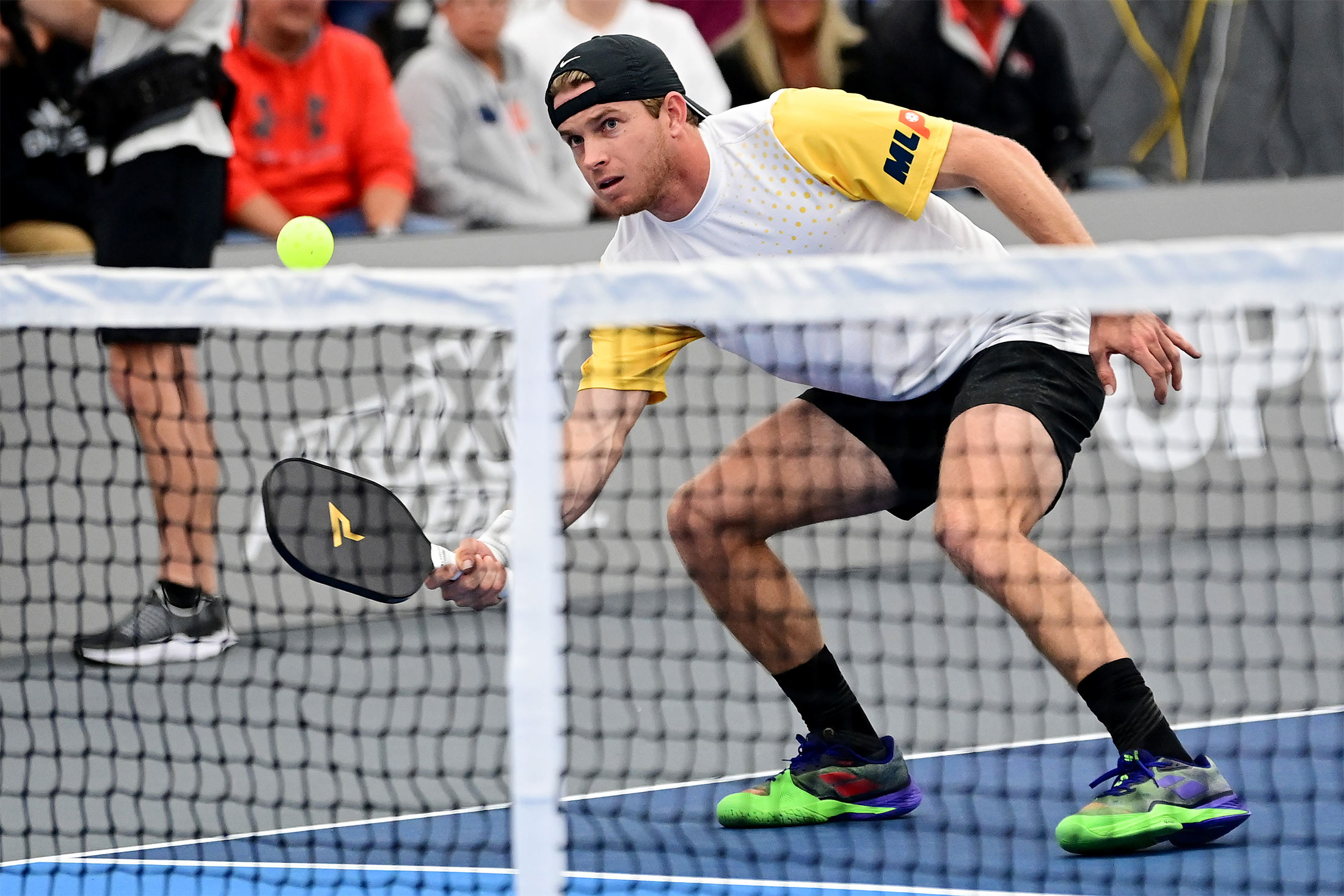
Credit: www.bloomberg.com
Frequently Asked Questions For How Do I Get On A Pickleball Team
How Can I Join A Pickleball Team?
To join a pickleball team, start by reaching out to local recreational centers, sports clubs, or pickleball leagues in your area. Attend their open play sessions, introduce yourself to other players, and express your interest in joining a team. Networking with fellow players can help you find opportunities to join an existing team or even form a new one.
What Skills Do I Need To Be On A Pickleball Team?
To be on a pickleball team, it’s important to have a good understanding of the game rules and basic techniques. Develop your skills in areas such as serving, volleying, and court positioning. Communication with your teammates is also crucial, so practice effective team strategy and coordination.
How Do Pickleball Team Tryouts Work?
Pickleball team tryouts vary depending on the organization or league conducting them. Typically, you’ll be evaluated on your skill level, teamwork, and overall compatibility with the existing team. Prepare by practicing your pickleball skills, showcasing your ability to work well with others, and demonstrating your dedication to the sport.
Can I Form My Own Pickleball Team?
Absolutely! If you can’t find an existing pickleball team in your area, consider forming your own. Connect with fellow enthusiasts through local pickleball communities or social media groups. Coordinate practice sessions and recruit interested players. Establish team goals, practice together regularly, and explore opportunities to participate in tournaments or friendly matches.
Conclusion
To get on a pickleball team, it’s important to take proactive steps and immerse yourself into the pickleball community. Start by attending local pickleball clinics or joining a local club to improve your skills and meet fellow players. Don’t be afraid to reach out and ask if there are any teams looking for new players.
Networking and making connections within the pickleball community can go a long way. Additionally, consider participating in local tournaments and leagues to showcase your skills and increase your chances of getting noticed by team captains or coaches. Remember to stay committed to practicing regularly and continually improving your game.
Getting on a pickleball team requires dedication, perseverance, and a genuine love for the sport. So don’t give up, keep honing your skills, and soon enough, you’ll find yourself proudly wearing your team colors and competing alongside fellow pickleball enthusiasts.


