


Yes, it is generally better to serve first in pickleball for a strategic advantage. Pickleball is a popular sport that combines elements of tennis, badminton, and ping-pong.
It is played with a paddle and a plastic ball on a court divided by a net. One of the key decisions in pickleball is whether to serve first or not. Serving first can give you several benefits. Firstly, it allows you to set the tone of the game and start off with an offensive advantage.
Secondly, serving first gives you the opportunity to put pressure on your opponents and potentially gain an early lead. Additionally, serving first allows you to control the pace and tempo of the game, making it harder for your opponents to establish their rhythm. Overall, serving first in pickleball can give you a strategic edge and increase your chances of winning the match.
The Importance Of The Serve
Serving first in pickleball offers a strategic advantage, allowing players to take control of the game right from the start. With the serve, players have the opportunity to set the tone, dictate the pace, and put their opponents on the defensive, making it a crucial aspect of the game.
Understanding The Role Of The Serve In Pickleball:
In the fast-paced game of pickleball, the serve plays a crucial role in determining the outcome of a match. From setting the tone to gaining a tactical advantage, the serve can make or break your game. Let’s delve deeper into the significance of the serve in pickleball.
- Varied serving techniques:
- Lob serve: Sending the pickleball high into the air, forcing opponents towards the back of the court, and limiting their offensive options.
- Drive serve: A powerful serve aimed directly at the opponents, keeping them on their toes and pressuring them to react swiftly.
- Drop serve: A deceptive serve that catches opponents off guard by landing the ball just over the net, making it difficult to return.
- Strategic positioning:
- Serving from the right side (even-number side) grants an advantageous angle to target the opponents’ backhand, which is generally considered weaker.
- Serving from the left side (odd-number side) allows you to aim for the opponents’ forehand, potentially disrupting their preferred shot.
- Gaining control:
- A well-executed serve can put your opponents on the backfoot, forcing them into a defensive position and giving you control over the rally.
- By leveraging different serve tactics, you can manipulate your opponents’ positioning on the court, creating opportunities for advantageous shots.
Exploring The Impact Of A Strong Serve On The Game:
A strong serve in pickleball can significantly impact the flow and outcome of the game. By mastering your serve, you can gain several advantages over your opponents:
- Initiating the rally: A powerful and accurate serve puts you in control right from the start, allowing you to dictate the tempo of the game.
- Forcing errors: An aggressive serve with spin or variation can throw off your opponents’ timing, leading to errors in their return shots.
- Creating opportunities: A well-placed serve can force your opponents to return the ball to a specific area of the court, setting you up for a strategic follow-up shot.
- Breaking opponents’ rhythm: A strong serve can disrupt your opponents’ rhythm and confidence, making it harder for them to execute their shots effectively.
- Putting pressure: A consistent series of strong serves can build pressure on the opposing team, increasing the likelihood of them making mistakes or being unable to execute their desired strategy.
- Earning free points: A carefully executed serve that results in an ace (an unreturnable serve) can earn you a free point without engaging in a lengthy rally.
The serve in pickleball holds immense significance, as it can dictate the course of a match and provide you with a competitive edge. By practicing and refining your serving skills, you can enhance your overall game and increase your chances of success on the court.
So, don’t underestimate the power of your serve in pickleball!
Advantages Of Serving First
Serving first in pickleball offers numerous advantages, including the opportunity to set the tone of the game, gain early momentum, and put pressure on opponents from the start. With the ability to dictate the pace and direction of play, serving first can give players a strategic edge.
When it comes to the game of pickleball, the serve is a crucial element that can set the tone for the entire match. Serving first in pickleball can provide players with several advantages that can significantly impact the outcome of the game.
In this section, we will explore the advantages of serving first and how it can give players an edge.
Capitalizing On The Element Of Surprise:
- Serving first gives players the opportunity to catch their opponents off guard. By serving first, players can use a unique and unexpected strategy to start the game, introducing an element of surprise that can throw off their opponents.
- By choosing different serving techniques, such as a spin or a lob, players can create uncertainty for their opponents and make it harder for them to return the serve effectively.
- The element of surprise can disrupt the rhythm and strategies of the opposing team, giving the serving team an upper hand right from the start.
Gaining Early Momentum And Psychological Advantage:
- Serving first allows players to gain early momentum in the game. By establishing a strong serve and winning the first few points, players can build confidence and set a positive tone.
- Winning the first few points can also have a psychological impact on the opponents. It can create doubts and put pressure on the opposing team, making it harder for them to perform at their best.
- The psychological advantage gained from serving first can create a domino effect, where the serving team maintains momentum throughout the game, making it easier to control the match.
In
Serving first in pickleball comes with its advantages, including the element of surprise and the ability to gain early momentum and psychological advantage. By capitalizing on these benefits, players can start the game on a strong note and put themselves in a favorable position.
However, it’s important to note that pickleball is a dynamic game where strategies can change throughout the match. So, while serving first can provide an edge, it’s essential to adapt and adjust throughout the game to maintain control and increase the chances of winning.
Disadvantages Of Serving First
Serving first in pickleball comes with a few disadvantages. It puts pressure on the server, as they must set the tone for the game, and it allows the opponent to observe their strategy and adjust accordingly.
Dealing With The Pressure To Start The Game On A High Note
Starting a game of pickleball with the first serve can be a high-pressure situation. Whether you’re a beginner or an experienced player, the pressure to set the tone for the game can be overwhelming. Here are some key points to consider when it comes to the disadvantages of serving first:
- Increased expectation: Being the first one to serve means that all eyes are on you. There is an inherent pressure to deliver a strong and accurate serve to gain an advantage. This expectation can lead to added nerves and potentially affect your performance on the court.
- Psychological pressure: When serving first, there is psychological pressure to gain an early lead. This can create anxiety and affect your focus, making it harder to execute your shots effectively.
- Risk of losing serve: Serving first also means that you are at risk of losing your serve early on. If you make mistakes or your opponent returns well, it can put you in a defensive position right from the start.
- Increased focus on strategy: As the server, you need to be mindful of your shot selection, placement, and power. This requires a higher level of strategic thinking, as you need to anticipate your opponent’s return and adjust your game plan accordingly.
Potential Challenges Of Adjusting To Court Conditions
Court conditions can vary depending on factors such as weather, court surface, and lighting. Serving first can present challenges when it comes to adapting to these conditions. Here are some potential challenges you may face:
- Wind: Wind can significantly impact the flight path of the ball, making it difficult to control your serve. As the first server, you’ll have to quickly assess the wind direction and adjust your serve accordingly.
- Sun glare: If you’re playing outdoors, sun glare can affect your visibility, especially on morning or late afternoon games. Serving first means you may have to deal with a sun glare that could hinder your accuracy and judgment.
- Surface conditions: Different court surfaces can affect the bounce and speed of the ball. Serving first requires you to quickly adapt to the surface conditions and make necessary adjustments to your technique and shot selection.
- Temperature and humidity: Serving first in extreme weather conditions can be challenging. Cold temperatures can make the ball feel heavier and affect your grip, while high humidity can make the ball feel more slippery.
- Unfamiliarity with court: If you’re playing on a court you’re not familiar with, it can take time to adjust to the court dimensions, markings, and net height. Serving first may add an additional challenge of getting used to the court quickly.
Remember, serving first in pickleball comes with its own set of disadvantages. It’s essential to stay mentally focused, adapt to different court conditions quickly, and use effective strategies to overcome these challenges. By understanding the potential drawbacks and adjusting your mindset, you can approach serving first with confidence and improve your overall game performance.
Strategies For Serving First
Serving first can give you a strategic advantage in pickleball, allowing you to set the tone of the game and put pressure on your opponents right from the start. By serving first, you have the opportunity to dictate the pace and control the flow of the match.
This can give you a psychological edge and help you gain an early lead.
Pickleball, a fun and fast-paced sport, has gained immense popularity in recent years. One key aspect of the game is the serve, and whether it’s better to serve first or receive first can be a topic of debate. In this blog post, we will explore the strategies for serving first in pickleball, helping you gain an advantage right from the start.
Developing A Consistent And Reliable Serve Technique:
- Focus on your grip: Ensure that you have a proper grip on the paddle, enabling you to have control and generate power in your serve.
- Master your stance and body position: Position yourself facing the net with your feet shoulder-width apart, allowing for stability and a strong foundation.
- Develop a consistent toss: Practice tossing the ball consistently and at a comfortable height, making it easier to execute your serve accurately.
- Work on your swing mechanics: Use a smooth and controlled swing, making contact with the ball in front of your body and following through with your paddle for added power.
Utilizing Different Serve Variations To Keep Opponents Guessing:
- Drive serve: Aim to hit the ball hard and deep, making it challenging for your opponents to return. This serve can catch them off guard, increasing your chances of scoring a point.
- Lob serve: Change up the pace by hitting a high, arcing serve over the net. This can force your opponents back and give you an opportunity to move forward and control the point.
- Spin serve: Add spin to your serve by either slice or topspin. The spin can make the ball bounce in unexpected ways, making it difficult for your opponents to anticipate and return effectively.
- Drop serve: Instead of hitting the ball with power, try a soft drop serve that lands just over the net. This serve can catch your opponents off balance, allowing you to take control of the point early on.
Remember, the key to a successful serve is consistency and variation. Developing a reliable serve technique and utilizing different serve variations will keep your opponents guessing and give you an edge in the game.
Now that you have a better understanding of the strategies for serving first in pickleball, go out there, practice, and experiment with different serves. With time and dedication, you’ll be able to develop a strong serve that can be a powerful weapon in your pickleball arsenal.
So serve up and take control of the game!
Power Plays: Serving Second
Serving first or second can impact your performance in pickleball. Discover whether it’s better to serve first in Power Plays: Serving Second.
Analyzing The Benefits Of Serving Second
In pickleball, serving second can provide significant advantages to a player. By carefully observing the opponent’s initial serve and leveraging that knowledge, players can strategically position themselves to gain control of the game. Let’s delve deeper into the benefits of serving second:
- Strategic positioning: Serving second allows players to observe their opponent’s serve and adjust their positioning accordingly. This gives them a better understanding of their opponent’s tendencies and helps them anticipate their return shot. By strategically positioning themselves on the court, players can increase their chances of returning the serve effectively.
- Adapting to the opponent’s style: Watching the opponent’s initial serve gives valuable insights into their playing style and technique. Players can gauge the opponent’s power, spin, and placement of the serve, enabling them to adapt and respond effectively. This knowledge allows them to make quick decisions on whether to play defensively, aggressively, or neutralize the opponent’s serve.
- Building momentum: When serving second, players have the opportunity to launch a counterattack and build momentum in the game. By capitalizing on the opponent’s weaknesses or exploiting their lack of readiness, players can take control of the rally from the beginning. This can put the opponent on the defensive and give the serving player a psychological advantage.
- Improved shot selection: Serving second provides players with the advantage of knowing the outcome of their opponent’s initial serve. Armed with this information, players can make more informed decisions about shot selection. They can choose shots that exploit weaknesses in the opponent’s game or hits that will force the opponent out of position.
- Creating pressure: Serving second allows players to apply pressure on their opponents. By consistently returning their serve and keeping the rally going, players can frustrate their opponents and force them into making mistakes. This psychological pressure can tilt the game in the serving player’s favor and disrupt the opponent’s rhythm.
Final Thoughts
While serving first may provide some advantages in pickleball, serving second can offer players the opportunity to strategically adapt, build momentum, improve shot selection, and create pressure on their opponents. By leveraging their knowledge of the opponent’s initial serve, players can set themselves up for a successful game.
Keep in mind that each player’s strategy may vary, and it’s important to experiment with different approaches to find the one that best suits your style of play. So, the next time you step onto the pickleball court, consider the power plays of serving second and explore the benefits it can bring to your game.
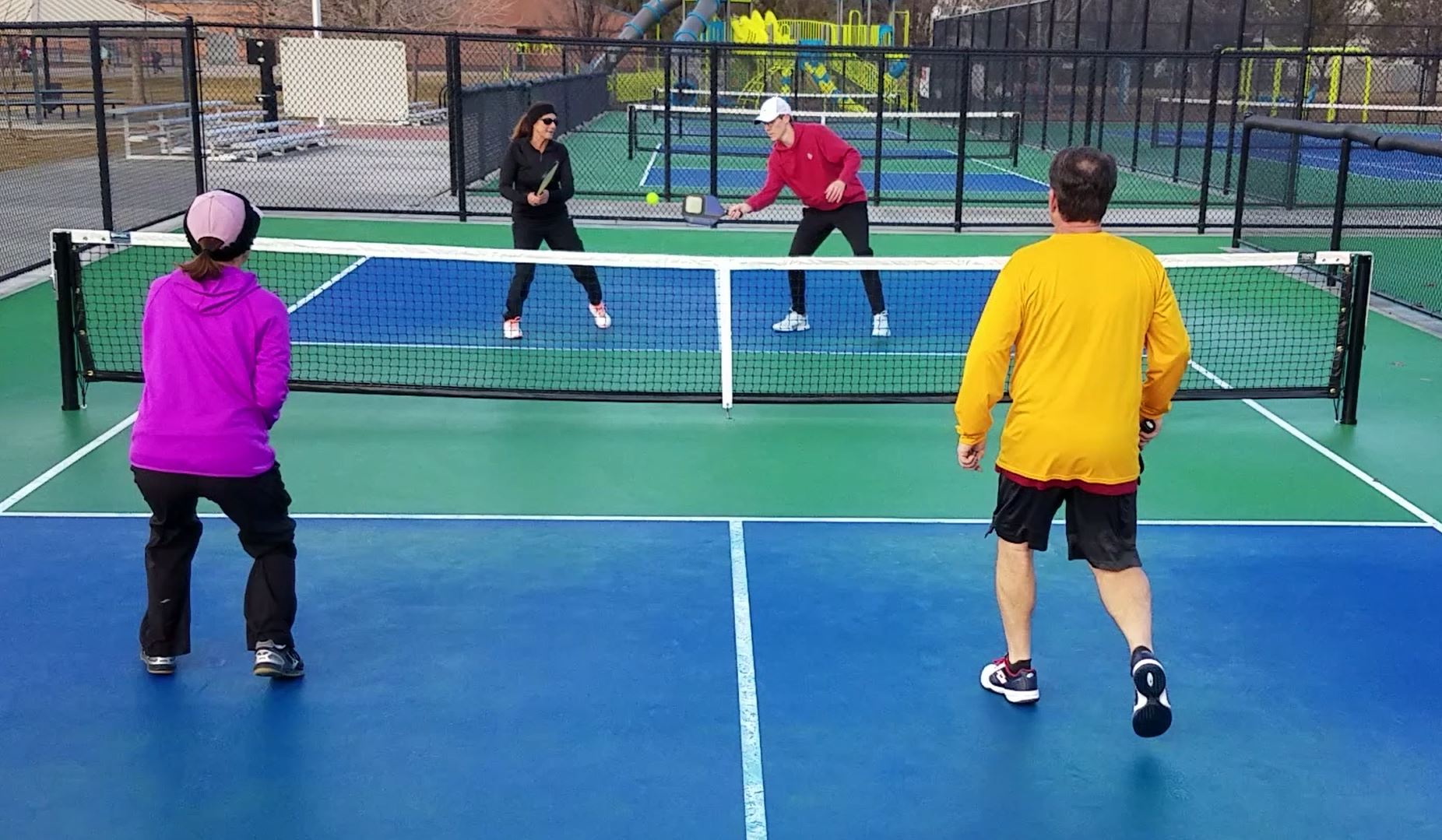
Credit: pickleballeffect.com
The Role Of Return Of Serve
The role of return of serve in pickleball is crucial, as it sets the tone for the entire game. Whether it is better to serve first ultimately depends on your playing style and strategy.
It goes without saying that a well-executed return of serve can significantly impact the outcome of a pickleball match. ##Importance of a well-executed return of serve## Here are a few key reasons why the return of serve plays such a crucial role:
- Gaining control: A solid return of serve allows the receiving team to take control of the rally from the very beginning. By returning the serve with precision and accuracy, players can dictate the pace and direction of the subsequent shots.
- Neutralizing the serve: A powerful serve can put the serving team at an advantage by putting pressure on the receiving team. However, a well-executed return can neutralize this advantage and level the playing field, making it harder for the serving team to dictate the rally.
- Setting the tone: The return of serve sets the tone for the rest of the rally. A confident and assertive return can send a message to the serving team that the receiving team is in control, while a weak or uncertain return can give the serving team the upper hand.
To ensure a well-executed return of serve, players can employ certain tactics to neutralize the opponent’s advantage. ##Tactics for neutralizing the opponent’s advantage## Consider the following strategies:
- Anticipation: By carefully observing the server’s stance, grip, and body language, the receiving team can anticipate the direction and speed of the serve. This allows them to position themselves strategically and prepare for a better return.
- Focus on placement: Instead of solely focusing on power, placing the return strategically can be more effective in neutralizing the opponent’s advantage. By aiming for the opponent’s weaker side or hitting the ball deep into their court, players can put pressure on the serving team and make it harder for them to launch an aggressive attack.
- Varying the return: Mixing up the type of return can catch the serving team off guard. By alternating between deep drives, short drop shots, or angled shots, players can keep the serving team guessing and force them out of their comfort zone.
- Stay calm and composed: Returning a powerful serve can be intimidating, but it’s crucial for players to stay calm and composed. By maintaining a steady mindset, players are more likely to execute a well-controlled return.
The return of serve plays a vital role in a pickleball match. It not only sets the tone for the rally but also allows the receiving team to gain control and neutralize the opponent’s advantage. By implementing effective strategies and staying focused, players can elevate their return of serve game and increase their chances of success on the court.
Exploiting Opponent Weaknesses
When it comes to serving in pickleball, there is debate about whether it is better to serve first. Serving first allows you to exploit your opponent’s weaknesses while setting the tone for the match. By serving first, you can gain an early advantage and put pressure on your opponent right from the start.
Granting you control and dictating the momentum of the game.
In the fast-paced sport of pickleball, serving first can provide a significant advantage, especially if you know how to exploit your opponent’s weaknesses. By identifying specific weaknesses and adjusting your serve placement and speed accordingly, you can gain the upper hand and dominate the game.
Here’s how you can strategically target your opponent’s vulnerabilities when serving:
Identifying Specific Weaknesses To Target When Serving:
- Watch your opponent closely: Observe their playing style, movement, and shot selection to identify specific weaknesses you can exploit.
- Focus on weak returns: Pay attention to shots that your opponent struggles to return effectively, such as low balls, high balls, or shots to a specific area of the court.
- Analyze their footwork: Notice any footwork flaws your opponent may have, such as a slow reaction time, poor lateral movement, or difficulties pivoting.
- Assess their skill level: Evaluate your opponent’s overall skill level and technical abilities to understand their strengths and weaknesses.
Adjusting Serve Placement And Speed Based On Opponent’S Vulnerabilities:
- Mix up your serves: Use a variety of serves to keep your opponent guessing. Experiment with different spin, height, and angles to exploit their weaknesses.
- Aim for their weaker side: If your opponent has a weaker forehand or backhand, target serves towards that side to put them under pressure.
- Vary your serve speed: Adjust the speed of your serve based on your opponent’s reaction time. If they struggle with fast serves, add some power. Similarly, if they struggle with slower serves, take the pace off the ball.
- Serve to their uncomfortable zones: Identify areas of the court where your opponent is less comfortable. Target serves to those zones to force them into difficult positions and limit their shot options.
- Stay adaptable: Continuously assess your opponent’s weaknesses throughout the game and adjust your serving strategy accordingly. Exploit any new weaknesses you discover and keep them off balance.
By strategically targeting your opponent’s weaknesses, you can gain a competitive edge in pickleball. Identifying specific weaknesses and adjusting your serve placement and speed will make your serves more challenging to return, increasing your chances of winning crucial points. Remember, observation and adaptability are key to exploiting your opponent’s vulnerabilities effectively.
Keep practicing and refining your strategy to become a formidable force on the pickleball court.
Early Points And Psychological Advantage
Early points in pickleball can provide a psychological advantage. While there is no definitive answer, serving first can potentially disrupt your opponent’s rhythm and give you the upper hand.
Harnessing The Potential Of Early Point Dominance
In the dynamic sport of pickleball, every point counts, and gaining an early advantage can greatly impact the outcome of the game. Serving first allows players to take control of the rally from the very beginning, setting the tone for the rest of the match.
Let’s explore the benefits of early point dominance and how it can give players a psychological advantage.
- Dictate the pace: Serving first gives players the opportunity to set the tempo of the game. By delivering a strong and precise serve, players can immediately put their opponents on the defensive, forcing them to react and adjust their strategy from the get-go.
- Establish dominance: When a player serves first and wins the point, it sends a clear message of confidence and control. This early display of skill and effectiveness can intimidate the opposing team and put them on the backfoot, making it easier for the serving team to maintain their momentum throughout the match.
- Create scoring opportunities: By serving first, players have the chance to earn quick points, potentially putting them in a comfortable position on the scoreboard. This early lead not only adds to their confidence but also increases the pressure on their opponents to catch up, potentially leading to unforced errors and missed opportunities.
- Psychological advantage: Winning the first point can have a profound impact on the psychology of both teams. The serving team is infused with a sense of belief and assurance, while the receiving team may feel the burden of needing to quickly even the score. This psychological advantage can affect decision-making, shot selection, and overall performance throughout the game.
The Impact Of Psychological Advantage On Overall Game Success
Psychological factors play a significant role in sports, and pickleball is no exception. The concept of psychological advantage in the early points of the game can significantly influence the outcome. Here’s why:
- Confidence boost: Winning the first point not only boosts the serving team’s confidence but can also deflate the confidence of the receiving team. This psychological shift can make a significant difference in how each team approaches subsequent points and affects their performance on the court.
- Improved focus: The serving team’s early advantage can help them maintain a higher level of concentration and focus. With a positive start, they are more likely to stay in control of their emotions and make better decisions throughout the game.
- Added pressure: By winning the first point, the serving team can increase the pressure on their opponents. The receiving team may feel the need to play catch-up or take more risks, which can lead to errors and missed opportunities.
- Mental game strategy: The psychological advantage gained from winning the first point gives the serving team an opportunity to dictate the strategies employed in subsequent points. They can exploit their advantages, adjust their tactics, and keep their opponents guessing.
- Momentum shift: The result of the first few points can set the momentum for the rest of the game. The serving team’s early advantage can create a positive flow of energy, making it easier for them to maintain their dominance and control throughout the match.
Serving first in pickleball not only offers players the chance to establish dominance in the early points but also provides a psychological advantage that can influence the overall outcome of the game. By harnessing the potential of early point dominance and capitalizing on the resulting psychological advantage, players can tilt the odds in their favor and achieve greater success on the pickleball court.
Case Studies: Famous Matches
Pickleball enthusiasts often debate whether it’s better to serve first. Explore famous case studies to uncover the strategic advantages of serving first in this exhilarating sport.
Examining Notable Matches Where Serving First Or Second Played A Significant Role
There have been several famous pickleball matches over the years where the serving order has played a crucial role in determining the outcome. Let’s take a closer look at some of these matches and the strategies employed by professionals in specific scenarios.
Case Study 1: The Grand Slam Showdown
In this match, two top-ranked players faced off in a high-stakes tournament final. The player who won the pre-match coin toss chose to serve first, hoping to set the tone and put pressure on their opponent. The serving player quickly gained an early lead, utilizing powerful serves to score consecutive points.
This aggressive strategy allowed them to control the game and ultimately secure the victory.
- Aggressive serving: The serving player capitalized on their powerful serves to put pressure on their opponent from the very start.
- Psychological advantage: Serving first allowed the player to establish dominance and unsettle their opponent, leading to mistakes and missed opportunities.
Case Study 2: The Comeback King
In this intense match, a skilled player found themselves struggling as the opponent’s strong serve and precise shots put them on the backfoot. The serving player maintained a consistent lead throughout the game, taking full advantage of their opportunity. However, having fallen behind, the player serving second didn’t lose hope.
They patiently observed their opponent’s patterns, adjusting their strategy, and exploiting weaknesses. With an impeccable sense of timing, they made a remarkable comeback, eventually winning the match.
- Tactical observation: Serving second allowed the player to carefully analyze their opponent’s game, identifying weaknesses and adjusting their strategy accordingly.
- Timing and adaptability: By patiently waiting for the right moment, the player capitalized on opportunities to turn the tide in their favor.
Case Study 3: The Battle Of Endurance
In this marathon match with no clear favorite, both players were evenly matched, showcasing exceptional skills and stamina. Serving second proved to be advantageous as the player capitalized on their opponent’s mistakes and tireless defensive efforts. By observing their opponent’s serving style and adjusting their return to disrupt the rhythm, the serving player gained a crucial edge.
With a combination of consistent serves and well-placed shots, they outlasted their opponent, securing the victory.
- Strategic observation: Serving second allowed the player to observe their opponent’s serving style, enabling them to make necessary adjustments and disrupt their rhythm.
- Strategic returns: By carefully returning the opponent’s serve and strategically placing shots, the serving player kept their opponent on their toes and capitalized on mistakes.
These notable matches highlight the importance of serving first or second in pickleball. Whether it’s setting the tone early on, making a comeback, or strategically observing and adjusting tactics, the serving order can significantly impact the outcome of a match.
Professionals employ various strategies in specific scenarios, capitalizing on the advantages available to them.
Frequently Asked Questions On Is It Better To Serve First In Pickleball
Is It Better To Serve First In Pickleball?
Yes, serving first in pickleball gives you the advantage of controlling the pace and setting the tone for the game. It allows you to put your opponents on the defensive and seize the momentum early on.
Why Is Serving First Important In Pickleball?
Serving first in pickleball allows you to start the game on your terms. You have the opportunity to dictate the pace, placement, and spin of the serve. It puts your opponents in a reactive position and gives you the chance to score points right off the bat.
What Are The Benefits Of Serving First In Pickleball?
Serving first in pickleball offers several advantages. You have the chance to score points right away and build an early lead. It allows you to control the game’s tempo and puts pressure on your opponents to respond. Overall, serving first sets the stage for a successful match.
Conclusion
After carefully examining the pros and cons of serving first in pickleball, it is clear that there is no definitive answer to whether it is better or not. The choice of serving first ultimately depends on personal preference, skill level, and strategy.
Serving first can provide players with an opportunity to dictate the pace of the game and gain an early advantage. On the other hand, receiving first allows players to potentially capitalize on their opponent’s mistakes and start the game with a break of serve.
Regardless of which option you choose, it is crucial to remember that consistency, accuracy, and smart shot placement are key factors in winning points. It is also important to remain flexible and adapt your game plan according to the strengths and weaknesses of your opponents.
So, next time you step onto the pickleball court, weigh the pros and cons of serving first and make a decision that suits your playing style and goals.


