To play pickleball, the server’s arm must be moving in an upward arc and the paddle contact with the ball must not be above the waist level. Additionally, players are allowed inside the non-volley zone only after the ball has bounced, but they should exit as soon as possible.
Section 1: The Basics Of Pickleball
Learn the basics of pickleball rules with step-by-step guidance and beginner-friendly explanations. Find out how to serve, understand the two-bounce rule, navigate the kitchen, and grasp the scoring system. Dive into the world of pickleball and start playing today.
What Is Pickleball?
Pickleball is a fast-growing paddle sport that combines elements of tennis, badminton, and ping-pong. It is played on a court with a modified tennis net, and players use solid paddles to hit a perforated plastic ball over the net.
Pickleball Equipment:
To play pickleball, you will need the following equipment:
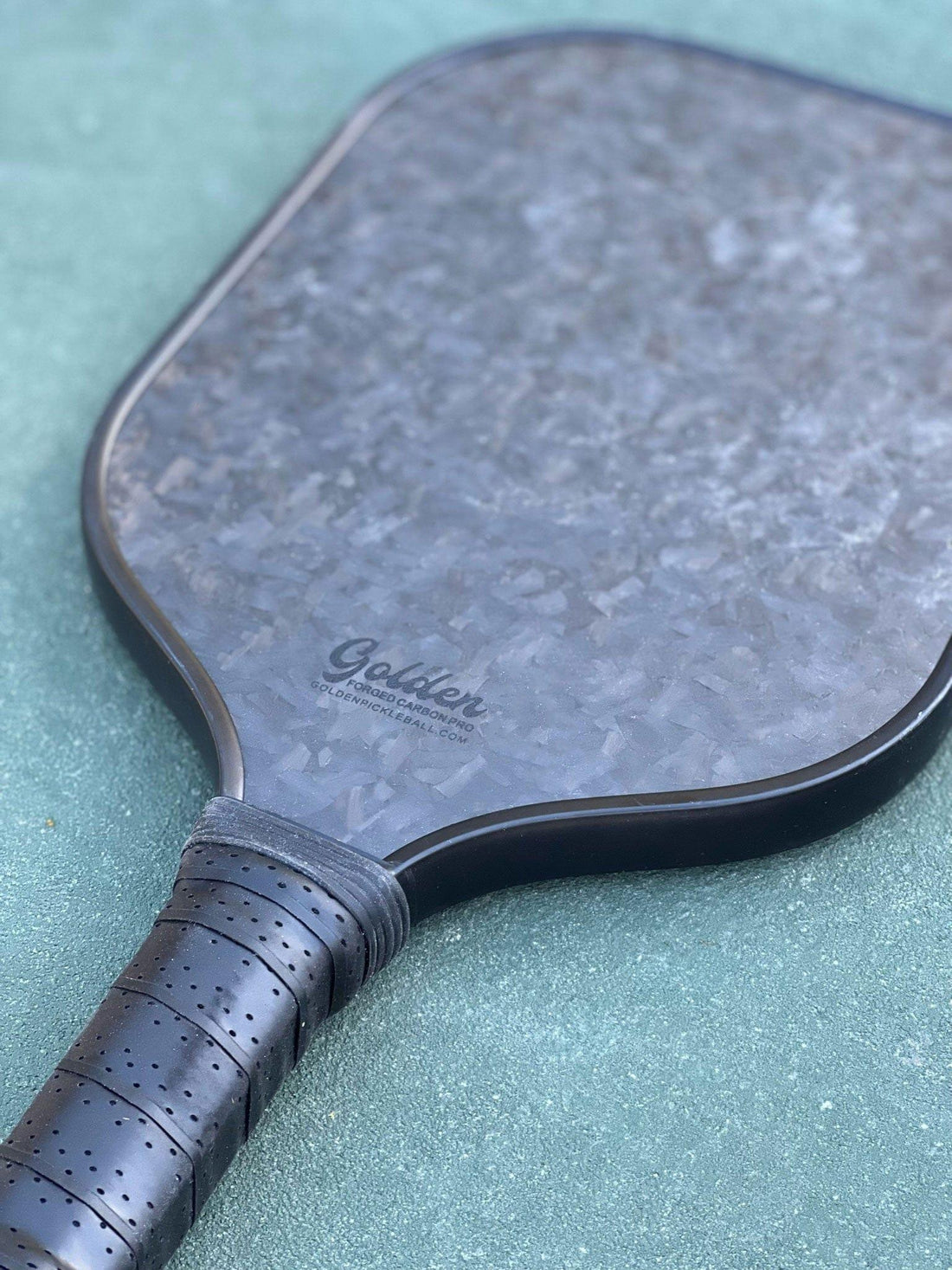
- Paddles: Pickleball paddles are slightly larger than ping-pong paddles and are made of lightweight materials such as wood, composite, or graphite.
- Balls: Pickleball balls are similar to whiffle balls, with small holes that create drag, allowing for better control.
- Pickleball Court: A standard pickleball court measures 20 feet wide and 44 feet long, with a net in the middle that stands at 36 inches high at the sidelines and 34 inches high at the center.
Pickleball Court Dimensions:
- Court Size: A pickleball court is smaller than a tennis court, measuring 20 feet wide and 44 feet long.
- Net Height: The net height in pickleball is 36 inches at the sidelines and 34 inches at the center.
- Non-Volley Zone: The non-volley zone, also known as the “kitchen,” is a 7-foot area on each side of the net where players are not allowed to step and hit the ball out of the air.
Remember, these are just the basics of pickleball. As you progress in the sport, you’ll discover more rules and strategies to enhance your gameplay.
Section 2: Serving In Pickleball
In Section 2 of How Do You Play Pickleball Rules, you will learn about serving in pickleball. This important aspect of the game includes guidelines on the serve rules, the two-bounce rule, and the kitchen rules. By understanding these rules, you can improve your gameplay and maximize your chances of winning.
The Serve Rules:
In order to effectively play pickleball, it’s important to understand the rules of serving. Here are the key points to keep in mind:
- Only the serving team can score a point.
- The serve must be made underhand.
- The server must stand behind the baseline and serve the ball diagonally across the court.
- The serve must clear the net and land in the opposing team’s diagonal service court.
- The server must aim to serve the ball deep into the opponent’s court, avoiding any faults.
Different Types Of Serves:
There are a variety of serves that players can use to keep their opponents on their toes. Here are some common types of serves in pickleball:
- The Soft Serve: This is a gentle, slow-paced serve that aims to drop the ball close to the net, making it difficult for the opponent to return.
- The Power Serve: This serve involves hitting the ball with more force and speed, making it harder for the opponent to handle.
- The Slice Serve: This serve involves putting spin on the ball, causing it to curve as it crosses the net. This can make it challenging for the opponent to anticipate the ball’s trajectory.
- The Lob Serve: This serve aims to hit the ball high into the air, forcing the opponent to move back and giving the serving team an opportunity to move forward and take control of the net.
Strategy For Effective Serves:
Now that you know the serve rules and different types of serves, it’s time to develop a strategy for effective serves. Here are some tips to improve your serving game:
- Mix up your serves to keep your opponents guessing and make it harder for them to anticipate your shots.
- Aim for deep serves to push your opponents further back and give yourself an advantage at the net.
- Watch your opponents’ positioning and adjust your serve accordingly. If they are closer to the net, consider using a lob serve to catch them off guard.
- Practice your spin serves to add variety to your game and make it harder for your opponents to return your serves.
- Work on your consistency to ensure that you can consistently place your serves in the desired location and avoid faults.
By understanding the serve rules, experimenting with different types of serves, and strategizing effectively, you can elevate your pickleball game and gain an edge over your opponents. Practice regularly and focus on improving your serves to become a formidable player on the court.
Section 3: Gameplay And Scoring
Learn the rules of Pickleball and how to play with this beginner’s guide. From the serve rules to the scoring system, this comprehensive resource will help you navigate the gameplay and scoring aspects of Pickleball.
Pickleball is not only an incredibly fun sport to play but also easy to learn. In this section, we will cover the key rules and regulations that govern gameplay and scoring. Understanding these essential elements will help you enjoy pickleball to the fullest and increase your chances of winning.
So, let’s dive right in!
The Two Bounce Rule:
The two bounce rule is one of the fundamental rules in pickleball. Here’s what you need to know:
- After the serve, both the serving team and the receiving team must let the ball bounce once on their respective sides of the court before volleying it.
- Once the ball has bounced on both sides, players can volley the ball mid-air or let it bounce before returning it.
- This rule promotes longer rallies and creates a fair playing field for all players.
Understanding The Non-Volley Zone:
The non-volley zone, also known as the kitchen, is a critical part of pickleball. Here’s a breakdown:
- The non-volley zone is the area on each side of the net, extending back seven feet.
- Players cannot volley the ball while standing inside the non-volley zone. Instead, they must let the ball bounce before hitting it.
- This rule prevents players from dominating the game at the net and adds an element of strategy to the gameplay.
How The Game Flow Works:
Pickleball follows a straightforward game flow. Here’s a step-by-step breakdown:
- The game begins with a serve from behind the baseline, cross-court to the opponent’s diagonal court.
- The serving team must hit the ball underhand and make sure it clears the non-volley zone.
- Once the serve is successful, play continues with volleys and groundstrokes until one team fails to return the ball properly.
- Each time a team fails to return the ball correctly, the opposing team scores a point.
- The serving team switches sides after each successful point to ensure fairness.
- The game continues until one team reaches 11 points, but they must win by a margin of two points.
Scoring System In Pickleball:
Knowing the scoring system is essential for keeping track of the game. Here’s how scoring works in pickleball:
- Only the serving team can score points.
- Points are awarded when the opposing team fails to return the ball correctly.
- Each successful rally earns the serving team one point.
- The serving team continues to serve until they commit a fault, such as hitting the ball out of bounds or into the net.
- Once the serving team commits a fault, the serve passes to the opposing team, who then has the opportunity to score points.
- The first team to reach 11 points, with a margin of two points, wins the game.
Tips For Winning In Pickleball:
To enhance your pickleball skills and increase your chances of winning, consider the following tips:
- Practice your serve to gain consistency and accuracy.
- Utilize proper footwork to move quickly and efficiently around the court.
- Develop strong volleying skills to dominate the net.
- Communicate effectively with your partner to coordinate your shots and cover the court.
- Learn to anticipate your opponent’s moves and strategize accordingly.
- Stay focused and maintain a positive mindset throughout the game.
By mastering the gameplay and scoring rules and implementing these tips, you’ll be well on your way to becoming a formidable pickleball player. So grab your paddle, hit the court, and enjoy the thrill of this exciting sport!
Section 4: Advanced Techniques And Strategies
In Section 4: Advanced Techniques and Strategies, you will learn how to master the rules of playing pickleball. From serves to kitchen rules, this comprehensive guide will help you enhance your skills and become a pickleball pro.
Mastering Third Shot Drops
- The third shot drop is a crucial technique in pickleball that allows players to regain control of the game and initiate a rally. Here’s how to master this shot:
- Stand near the baseline and hold your paddle ready.
- Aim to hit the ball softly, making it drop just over the net.
- Focus on accuracy rather than power.
- Use a short backswing and a slightly open paddle face.
- Practice consistency and precision to keep your opponents on their toes.
How To Execute Dinks And Volleys
- Dinks and volleys are essential shots in pickleball that require finesse and quick reflexes. Here’s how to execute them effectively:
- Dinks: Perform a soft, controlled shot over the net, aiming to keep the ball low and close to the net. Use your wrist and fingers to generate spin and angle the ball away from your opponents.
- Volleys: Stay close to the net and keep your paddle in a ready position. Intercept the ball before it bounces and hit it with a short punch-like motion. Focus on accuracy and keeping the ball low to prevent your opponents from countering.
Positioning And Movement On The Court
- Proper positioning and movement on the court can give you a significant advantage in pickleball. Consider the following tips:
- Singles Play: Maintain a central position to cover the entire width of the court efficiently. Move quickly and split-step before your opponent’s shot to be prepared for any direction.
- Doubles Play: Communication is key. Coordinate with your partner to cover the court effectively. One player usually takes the middle area, while the other focuses on the sideline. Switch positions when necessary to confuse your opponents.
Strategies For Doubles Play
- Doubles play in pickleball requires teamwork, strategy, and coordination. Here are some effective strategies to optimize your doubles game:
- Communication: Constantly communicate with your partner to avoid confusion and overlap.
- Dink and Drive: Utilize short dink shots to draw opponents out of position and create openings for powerful drives.
- Poach: Surprise your opponents by intercepting their shots intended for your partner, putting pressure on them.
- Target the Weaker Player: Identify the weaker opponent and direct shots towards them to exploit their weaknesses.
- Stay at the Baseline: If your opponents have a strong net game, stay closer to the baseline to counter their shots effectively.
Remember, mastering advanced techniques and strategies in pickleball requires practice and experience. Continuously refine your skills and adapt your tactics based on your opponents’ playing style. Enjoy the game and have fun on the court!
Credit: goldenpickleball.com
Frequently Asked Questions On How Do You Play Pickleball Rules
How Do You Play Pickleball Step By Step?
To play pickleball step by step: 1. Start with a serve, making sure the server’s arm moves in an upward arc and the paddle contact stays below the waist level. 2. Follow the two-bounce rule, where both teams must let the ball bounce once on each side before hitting it in the air.
3. Be aware of the kitchen, also known as the non-volley zone. Players can step inside after the ball has bounced, but it’s essential to exit promptly. 4. Understand the game flow and scoring system to keep track of points and gameplay.
Remember, pickleball is played with underhand serves and faults can occur. Practice and enjoy the game!
What Are Pickleball Rules For Beginners?
Pickleball rules for beginners are easy to grasp! Start with the serve, make sure to let the ball bounce once, and avoid stepping into the non-volley zone until then. Exit the kitchen quickly if you step in.
How Do You Score And Win In Pickleball?
To score and win in pickleball, follow these steps: 1. Serve the ball underhand and make sure your arm is moving upward. 2. The ball must bounce once on each side before players can volley. 3. Stay out of the kitchen (non-volley zone) until the ball has bounced.
4. Earn points by hitting the ball over the net and landing it within the court boundaries. 5. The first team to reach 11 points, with a two-point lead, wins the game. 6. Play the best of three games to win the match.
Can You Step In Kitchen Before Ball Bounces?
In pickleball, you can step in the kitchen after the ball bounces, but make sure to exit quickly.
Conclusion
Pickleball is a fun and fast-paced game that combines elements of tennis, badminton, and ping pong. By following the rules and guidelines, you can quickly learn and enjoy the game. Remember to always start the game with a proper serve, ensuring the ball is struck below waist level.
Master the two-bounce rule by allowing the ball to bounce once on each side before hitting it in the air. Be mindful of the non-volley zone, commonly known as the kitchen, where you are not allowed to volley the ball.
The game flow and scoring system may seem complicated at first, but with practice, you’ll become familiar with it. Ultimately, pickleball is all about having fun, being active, and enjoying the camaraderie with fellow players. So grab a paddle, step onto the court, and let the games begin!